街道筆錄 | 鳳琴街|雞地蛻變下的元朗城市記憶 Fung Kam Street | From Poultry Grounds to a Modern Yuen Long Neighborhood
在今日熱鬧而充滿生活感的元朗街區之中,鳳琴街或許只是人們匆匆走過的一條街,但鮮有人知道,這裡昔日曾是雞鴨成群、棚販林立的「雞地」。從家禽市場到新市鎮核心,這條街道見證了元朗半世紀的城市轉型與地方記憶。
Beneath the apartment blocks, eateries, and everyday rhythm of modern Yuen Long lies the forgotten memory of an open-air poultry market once known simply as “Kai Dei.” Fung Kam Street is more than a residential road — it reflects the transformation of rural trading grounds into one of Hong Kong’s evolving suburban communities.
中文
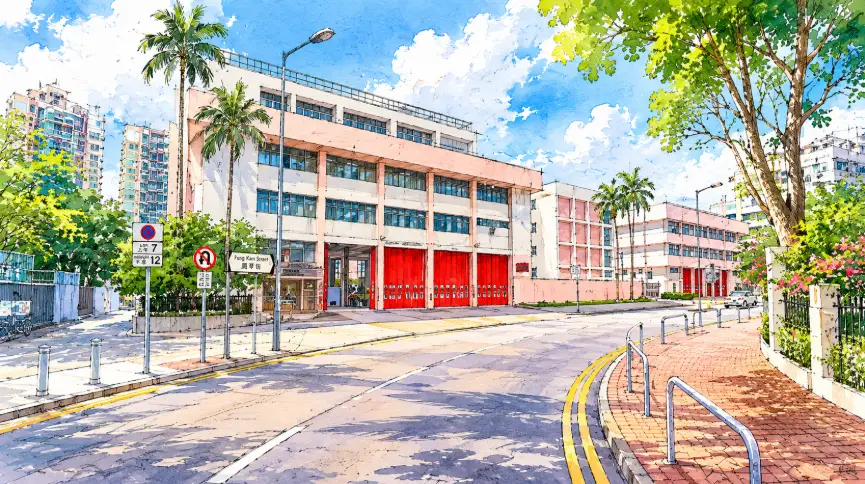
鳳琴街位於元朗市中心東南一帶,是今日區內著名的民生住宅及食肆集中地之一。然而在數十年前,這片土地卻是另一番景象。1960年代初期,元朗仍帶有濃厚的新界鄉郊氣息,來自各鄉村的農戶、雞農與販商會於現今鳳琴街一帶聚集,搭建大型鐵皮棚與木棚進行雞、鴨、鵝等家禽批發交易。每逢墟期,現場總會傳來雞鳴鴨叫,地面泥濘潮濕,空氣中混雜著家禽氣味與叫賣聲,因此街坊便直接將該處稱為「雞地」。這個名稱雖然樸素,卻深深刻印在老一輩元朗居民的集體回憶之中。隨著香港戰後人口迅速增加,新界西北地區開始被納入都市化發展藍圖。到了1970年代後期,港英政府正式推行元朗新市鎮計劃,逐步收回雞地附近的棚屋與農地,重新規劃道路、住宅與公共設施。由於「雞地」在地方歷史上極具代表性,規劃部門並未完全抹去這段民間記憶,而是巧妙地以「鳳」字取代「雞」字,為新區街道命名。這種命名方式其實蘊含濃厚廣東文化色彩,因為在粵語傳統之中,人們經常以「鳳」作為「雞」的雅稱,例如日常飲食中的「鳳爪」便是最佳例子。因此,「鳳」字既保留了原有的地方聯想,又令街道名稱顯得更文雅吉祥。其後整個區域陸續出現大量「鳳字頭」街道,包括鳳翔路、鳳攸北街、鳳攸南街、鳳群街及鳳香街等,形成元朗其中一個極具辨識度的街道命名系統。而「鳳琴街」這個名稱本身更帶有耐人尋味的雙關意味。在廣東話讀音中,「鳳琴」與「鳳禽」幾乎完全同音,巧妙呼應了昔日家禽市場的歷史來源。不過政府最終並沒有採用帶有牲畜意味的「禽」字,而改以帶有文化氣息的「琴」字刊憲命名,使街道在保留歷史讀音之餘,同時增添了一種現代城市應有的優雅感與文化感。這種命名智慧,正反映了香港城市發展中常見的折衷方式——既保留地方痕跡,又配合都市形象。1980年代後,元朗正式進入高速城市化時期,大量私人屋苑、小型商場與公共設施相繼落成,昔日的雞棚與露天市場逐漸消失。1987年啟用的鳳琴街體育館,更成為區內重要社區地標之一。今日的鳳琴街,兩旁已被茶餐廳、小食店、便利店與住宅大廈包圍,街道雖然不算寬闊,卻充滿濃厚生活氣息。尤其夜晚時分,燈火與食肆招牌交織出獨特的元朗城市氛圍,成為許多居民日常生活的重要部分。對不少老街坊而言,鳳琴街不僅是一條道路,更像是一條連接過去與現在的時間走廊。它由最早的新界農業社會走進香港現代化年代,也見證了地方身份如何在城市更新之中被重新包裝與延續。即使今日再也看不見當年的雞鴨大棚,「雞地」這個名字仍然透過「鳳琴街」悄悄留存在城市記憶之中,成為元朗地方文化最有趣的一段民間掌故之一。
English Version
Fung Kam Street sits quietly within the dense urban fabric of Yuen Long today, lined with restaurants, apartment blocks, convenience stores, and the familiar movement of daily neighborhood life. Yet decades ago, this same area looked entirely different. Before modern housing estates and transport links reshaped the district, the land around present-day Fung Kam Street functioned as an informal poultry trading ground known locally as “Kai Dei,” literally meaning “Chicken Market.” During the early 1960s, Yuen Long still retained much of its rural New Territories identity. Farmers, poultry traders, and villagers from nearby settlements gathered here during market days to buy and sell chickens, ducks, geese, and other livestock beneath temporary metal-roofed sheds and wooden structures. The sounds of caged birds, bargaining merchants, and muddy pathways defined the atmosphere of the district. For local residents, the nickname “Kai Dei” became so widely recognized that it evolved into part of Yuen Long’s shared cultural memory. As Hong Kong’s population expanded rapidly after the Second World War, urban planners began transforming the northwestern New Territories into organized satellite towns. By the late 1970s and early 1980s, the colonial government launched major redevelopment projects under the Yuen Long New Town scheme. Informal markets, agricultural plots, and temporary structures were gradually cleared to make way for roads, residential buildings, sports facilities, and commercial developments. Instead of erasing the historical identity of Kai Dei completely, planners chose a more culturally nuanced approach when naming the newly constructed streets. The Chinese character “鳳,” meaning phoenix, was adopted as an elegant substitute for “雞,” or chicken. In Cantonese culture, poultry-related foods and references are often given refined alternative names using the character for phoenix, such as the common culinary term “phoenix claws” for chicken feet. This subtle linguistic shift allowed the government to preserve the memory of the area’s poultry-trading origins while presenting a cleaner and more sophisticated image for the emerging modern townscape. The surrounding streets soon formed an entire cluster of “phoenix-named” roads, including Fung Cheung Road, Fung Yau Street North, Fung Yau Street South, Fung Kwan Street, and Fung Heung Street. Together, they created one of Yuen Long’s most recognizable naming themes. Among them, Fung Kam Street carries perhaps the most clever wordplay. In Cantonese pronunciation, “Fung Kam” sounds almost identical to “Fung Kam,” meaning “phoenix poultry.” However, instead of using the character associated with livestock, officials deliberately selected the character “琴,” meaning a musical instrument or zither. This transformed the street’s image from something associated with noisy livestock trading into one connected with harmony, culture, and refinement. The naming choice reflects a distinctly Hong Kong style of urban development — preserving fragments of local heritage while adapting them into a modern civic identity. By the mid-1980s, Yuen Long had entered a period of rapid urbanization. High-rise residential estates replaced many of the old market spaces, while public amenities expanded across the district. The opening of Fung Kam Street Sports Centre in 1987 symbolized this transition from rural market zone to structured community hub. Today, few physical traces of the old poultry grounds remain. Instead, the area thrives as a busy residential neighborhood filled with local eateries, cafés, bakeries, and everyday commerce. Despite the changes, older residents still remember the district’s earlier identity, and the memory of Kai Dei survives quietly within the street’s name itself. Fung Kam Street therefore represents more than a location on a city map. It tells the story of Yuen Long’s evolution from agricultural settlement to urban community, while revealing how language, naming traditions, and collective memory can preserve history even after the original landscape has disappeared.