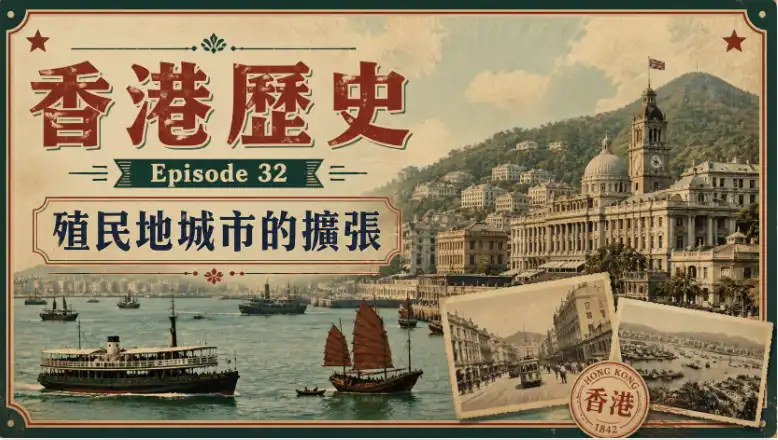
十九世紀末至二十世紀初,香港由港口據點逐步轉化為密集都市,殖民政府透過填海、規劃與基建工程,推動城市空間擴張,亦改變社會結構與生活方式,為現代香港奠下基礎。
From the late nineteenth to early twentieth century, Hong Kong evolved from a strategic harbour into a dense urban centre, shaped by reclamation, planning, and infrastructure that redefined space, society, and everyday life.
中文
隨著貿易迅速增長與人口持續湧入,香港的城市面貌在十九世紀後期出現顯著轉變,最初集中於維多利亞城一帶的發展逐漸向外延伸,殖民政府意識到有限土地難以支撐經濟活動與居民需求,於是開始大規模填海工程,將海岸線向外推進,形成新的商業與住宅區,例如中環與灣仔的擴展便是此時期的重要成果,這些新土地不僅提供了更多建築空間,也象徵著殖民管治下對自然環境的改造能力,同時城市規劃逐步制度化,道路網絡被重新設計,街道筆直寬闊,方便馬車與後來的電車通行,公共設施如供水系統、排污設施與電力供應亦相繼建立,使城市運作更具現代性,人口結構方面,大量華人勞工與商人湧入,形成擁擠的居住環境,特別是在上環與太平山一帶,衛生問題日益嚴重,促使政府制定公共衛生條例,改善居住條件並引入現代醫療概念,而歐洲人則多居於山頂等較高地勢區域,形成明顯的空間分隔,這種分層不僅反映經濟差異,也體現殖民社會的權力結構,交通方面,港口功能持續強化,碼頭與倉庫設施不斷擴建,使香港成為亞洲重要轉口中心,鐵路與渡輪系統的發展進一步連接九龍與新界,擴大城市影響範圍,教育與行政機構亦隨城市擴張而增加,學校、法院與政府建築相繼落成,鞏固殖民統治並培養本地人才,整體而言,城市擴張不僅是空間的延伸,更是制度與文化的重塑,香港逐步由一個邊緣港口轉變為國際都市,其發展軌跡深刻反映全球貿易網絡與殖民政策的交互作用
English Version
As commerce intensified and migration surged, Hong Kong’s urban form underwent a dramatic transformation in the late nineteenth century, shifting from a compact harbour settlement centred on Victoria City into a sprawling colonial metropolis, constrained land resources pushed authorities to pursue extensive land reclamation, extending the shoreline outward and creating new districts for trade and housing, areas such as Central and Wan Chai emerged as key expansions, embodying both economic ambition and the colonial state’s capacity to reshape nature, alongside this physical growth came a more structured approach to urban planning, with redesigned road systems that improved mobility and facilitated new modes of transport including tramways, modern infrastructure followed, water supply networks, drainage systems, and electricity services gradually improved living standards while enabling further development, demographic changes played a crucial role as waves of Chinese migrants arrived seeking opportunity, leading to densely populated neighbourhoods where overcrowding and sanitation issues became pressing concerns, especially in districts like Sheung Wan and Tai Ping Shan, these challenges prompted new public health regulations and the introduction of Western medical practices, meanwhile European residents often settled in elevated and less congested areas such as the Peak, reinforcing social and spatial divisions that mirrored colonial hierarchies, the harbour continued to expand as a vital economic engine with upgraded docks and warehouses strengthening Hong Kong’s role as a regional entrepôt, transport networks including ferries and railways extended connectivity to Kowloon and the New Territories, integrating peripheral areas into a broader urban system, institutions also grew alongside the city, schools, courts, and administrative buildings not only supported governance but also contributed to shaping a modern civic identity, ultimately the expansion of colonial Hong Kong was more than physical growth, it represented a layered process of economic integration, social transformation, and infrastructural innovation that positioned the city as a pivotal node in global trade networks
總結
中文
香港城市擴張展示了殖民時期經濟發展與空間重塑的緊密關係,從填海到基建,塑造現代都市格局,也留下社會分層與歷史痕跡。
English Version
Hong Kong’s expansion reflects how colonial forces reshaped space and society, laying the foundations of a modern city while preserving visible traces of inequality and historical change.