冬至 | 一年最短的一天與光的轉折| Winter Solstice | The Shortest Day and the Return of Light | 24節氣記憶系列 第22章

冬至,是一年之中白晝最短的一天。黑夜最長,光線最少,卻也是轉折開始的時刻。
The Winter Solstice marks the shortest day of the year. It brings the longest night, yet also signals the turning point toward the return of light.
中文
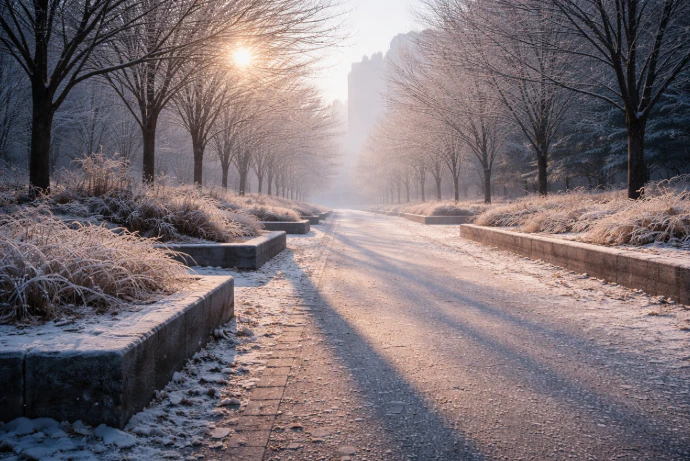
冬至,是一年之中最具轉折意味的節氣,它並不只是寒冷的延續,而是一個在極端之中孕育改變的時刻。當白晝縮短到最少,黑夜延長到極致,時間在這一天呈現出一種不平衡的狀態,但正是在這種不平衡之中,新的循環開始形成。清晨來得特別晚,當人們開始活動時,天空仍然帶著灰暗的色調,光線緩慢地滲入城市,像是一種遲到的存在。白天顯得短促而緊湊,時間似乎被壓縮,人們在有限的光線之中完成日常,當還未完全適應白晝的節奏,夜晚已經再次降臨。這種節奏,使冬至帶著一種特殊的時間感。冬至的光,是一年之中最稀少的,它不再強烈,而是柔弱且低斜,照在地面上時帶著冷色調,幾乎沒有溫度,但卻清晰可見。影子在這一天顯得特別長,光與暗之間的對比更加明顯,整個環境呈現出一種極端的結構感。城市在冬至之中運作,顯得更加安靜,人們縮短戶外停留時間,更多活動轉向室內,燈光成為主要的光源。這種由自然光轉向人工光的過程,使冬至帶著一種內向的氛圍。對學生而言,冬至通常接近期末或假期,生活節奏變得緊湊而集中,時間的壓縮感更加明顯。對上班族而言,冬至則是一種年度節點,在忙碌與寒冷之中,人們開始回顧一年的經歷,同時準備迎接新的開始。冬至在文化中也具有特殊意義,它象徵著陽氣的回升,雖然氣溫仍然寒冷,但光已經開始逐漸增加。這種「在最暗之中開始變亮」的特質,使冬至成為一個充滿象徵性的時刻。夜晚的冬至格外漫長,黑暗持續時間較長,城市的燈光在其中顯得更加明亮,人們在這樣的夜裡活動,感受到一種延續與等待。這種夜晚,不只是黑暗,而是一種過渡,是從極端走向改變的過程。冬至的記憶,往往來自於這種對比,是最短的白天與最長的夜晚,是光的稀少與黑暗的延伸,也是內在與外在之間的轉換。在這個節氣裡,人們會更加意識到時間的存在,也更容易進入反思與整理的狀態。冬至提醒我們,極端並不是終點,而是轉折的開始,當黑夜達到最長,光也已經在回來的路上。
English Version
The Winter Solstice is one of the most profound turning points in the seasonal cycle, not merely an extension of cold, but a moment where change begins to emerge from extremity. On this day, daylight reaches its shortest duration while night extends to its longest, creating a striking imbalance in time. Yet within this imbalance lies the beginning of a new cycle. Morning arrives late, and when people begin their day, the sky often remains dim, with light slowly filtering into the city as if delayed. The daytime hours feel compressed, and daily activities unfold within a limited window of light. Before one fully settles into the rhythm of the day, darkness returns once more. This creates a distinct perception of time, where the day feels shortened and intensified. The quality of light during this period is minimal. It is no longer strong or expansive, but soft, low, and cool in tone. When it touches the ground, it carries clarity without warmth. Shadows appear longer than at any other time of the year, emphasizing the contrast between light and darkness. This sharp division gives the environment a structured and almost dramatic visual quality. Urban life during this period becomes quieter. People limit their time outdoors, and activities shift inward, with artificial lighting becoming the primary source of illumination. This transition from natural to artificial light contributes to a more introspective atmosphere. For students, the Winter Solstice often aligns with the end of the academic term or the approach of holidays, where time feels condensed and focused. For working adults, it represents a significant point in the yearly cycle, a moment for reflection amid the cold and the closing of tasks. Culturally, this period holds symbolic meaning as well. It represents the return of light, as daylight gradually begins to increase after reaching its lowest point. This idea—that brightness begins within the deepest darkness—gives the season a powerful symbolic dimension. Nights during this period are particularly long, extending the presence of darkness and making artificial lights appear brighter and more prominent. People continue their activities within this extended night, experiencing a sense of continuity and quiet anticipation. This darkness is not merely absence, but a transitional space, marking the shift from extremity toward renewal. The memory of the Winter Solstice is often defined by contrast: the shortest day and the longest night, the scarcity of light and the extension of darkness, and the movement between external activity and internal reflection. During this time, people become more aware of the passage of time and more inclined toward introspection. The Winter Solstice reminds us that extremes are not endpoints, but beginnings. When darkness reaches its peak, light has already begun its return.