
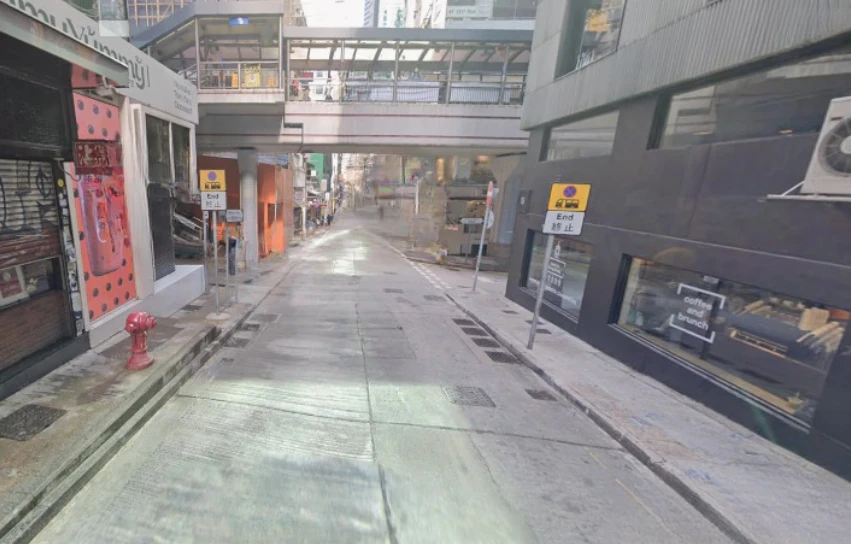
威靈頓街:中環飲食與歷史交織的城市街道Wellington Street: A Culinary and Historical Artery in Central Hong Kong
威靈頓街沒有刻意保存歷史,但歷史卻一直存在於人來人往之中,在餐廳與街道之間,構成一種屬於中環的日常節奏。
Wellington Street doesn’t display history—it lives through it, in the steady flow of people, food, and everyday moments that define Central’s rhythm.
中文
威靈頓街(Wellington Street)位於中環核心地帶,是一條貫穿商業與生活的重要街道,其名稱來自英國軍事與政治人物威靈頓公爵,反映香港在香港開埠初期以英國人物命名街道的歷史背景。威靈頓街早於19世紀中期已經形成,隨着中環逐漸發展為行政與商業中心,這條街亦成為連接不同街區的重要通道之一。與其他歷史街道相比,威靈頓街並沒有明顯的單一功能定位,它既承載交通,也容納商業與飲食活動,形成一種高度混合的城市空間。歷史上,這裡曾聚集多種行業,包括茶樓、雜貨店與傳統食肆,是中環少數仍保留庶民生活氣息的街道之一。隨着香港經濟轉型與全球化影響,威靈頓街逐漸演變為飲食集中地,各式餐廳與咖啡店進駐,使其成為中環重要的美食街之一,同時亦吸引大量上班族與遊客。城市變化方面,威靈頓街呈現的是一種「持續更新」的狀態,它沒有被完全重建,而是不斷在原有基礎上進行調整與替換,新舊店舖交替出現,形成一種流動的街道文化。街道特色方面,威靈頓街以其相對平直的路線、密集的商舖排列,以及強烈的生活節奏而聞名,尤其在用餐時段,人流與氣味交織,形成一種極具感官性的城市體驗。與鄰近的蘭桂坊或蘇豪區不同,威靈頓街的魅力並非來自夜生活,而是來自日常——一種持續運作、不斷變化的生活場景。今日的威靈頓街,不只是一條街道,更像是一條時間的流動軸線,將不同年代的香港生活方式串連起來,讓人們在不經意之間,參與其中。
English Version
Wellington Street, located in Central Hong Kong, is a key urban artery that blends commerce, daily life, and culinary culture into a continuous and evolving streetscape. Named after Arthur Wellesley, the street reflects the colonial-era tradition of commemorating British figures following the British colonization of Hong Kong. Established in the mid-19th century, Wellington Street developed alongside Central’s rise as the administrative and commercial core of the city, serving as a connector between different districts while accommodating a diverse range of activities. Unlike streets defined by a single identity, Wellington Street has always functioned as a hybrid space, supporting transportation, retail, and food culture simultaneously. Historically, it was home to tea houses, grocery stores, and traditional eateries, contributing to a vibrant everyday environment that retained elements of local life even as the surrounding area modernized. As Hong Kong underwent economic transformation and globalization, the street gradually evolved into a prominent dining destination, with a wide variety of restaurants and cafes attracting office workers and visitors alike. From the perspective of urban transformation, Wellington Street exemplifies continuous adaptation rather than complete redevelopment, where businesses change over time while the underlying structure of the street remains intact. Its defining features include a relatively straight layout, densely packed storefronts, and a strong sensory presence, particularly during peak dining hours when crowds, aromas, and movement converge to create an immersive urban experience. Unlike nearby nightlife-focused areas such as Lan Kwai Fong or SoHo, Wellington Street’s appeal lies in its everyday vitality—a steady, unpretentious rhythm that reflects the lived reality of the city. Today, it stands as a dynamic thread within Central, connecting different eras of Hong Kong life through its ongoing cycle of use, change, and renewal.