
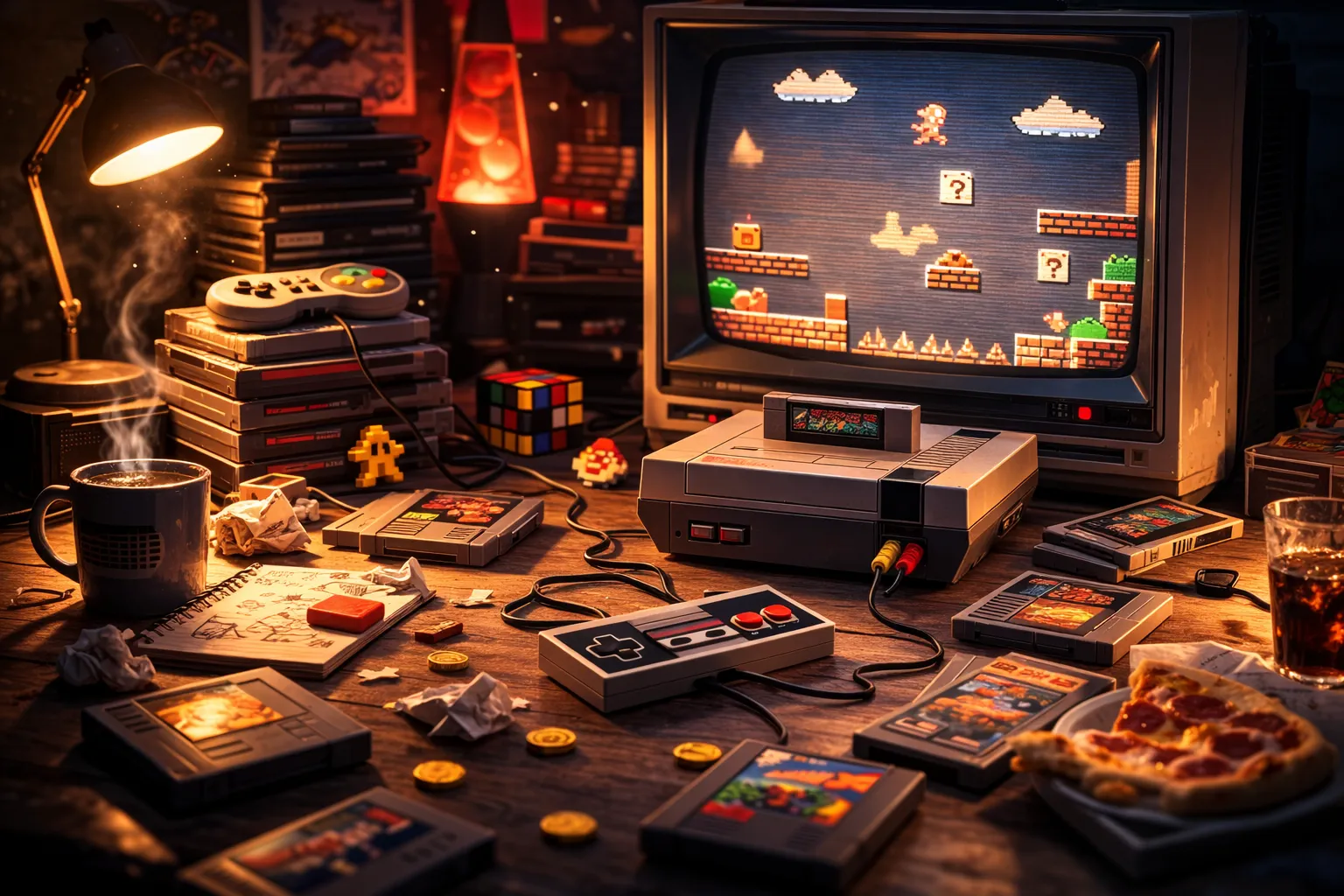
遊戲誌 LV37(遊戲設計的祕密)|遊戲中的秘密:隱藏內容的魅力 | Secrets in Games: The Power of Hidden Content
隱藏內容讓遊戲世界變得更深、更真實。當玩家主動發現秘密時,那份驚喜與成就感,往往比任何獎勵都更令人難忘。
Hidden content adds depth and mystery to games. The joy of discovering secrets through exploration often creates more memorable and rewarding experiences than any explicit reward.
在遊戲設計中,「秘密」是一種極具魅力的元素,它不僅增加內容深度,更改變玩家與遊戲世界的關係。當一個世界充滿未知與隱藏,玩家不再只是完成任務的執行者,而是變成探索者與發現者,這種角色轉變會大幅提升沉浸感與投入度。隱藏內容的核心價值,在於「主動發現」所帶來的驚喜,當玩家意外找到一條隱藏通道、一段秘密劇情或一件特殊道具時,會產生強烈的情緒反應,這種感受來自於不確定性與稀有性,因為不是每個人都能輕易發現,因此也強化了個人經驗的獨特性。設計師通常會利用環境細節來暗示秘密的存在,例如牆壁的異常紋理、光線的指引或聲音的變化,這些微妙提示既不直接說明,又能引導細心的玩家發現隱藏內容,形成一種「被理解的設計」體驗。此外,隱藏內容常與探索機制緊密結合,鼓勵玩家偏離主線、嘗試不同路徑或反覆回到已經走過的地點,這不僅延長遊戲壽命,也讓世界顯得更加立體與真實。另一個重要因素是「層級設計」,優秀的隱藏內容往往分為不同深度,有些容易發現,作為基礎驚喜;有些則需要高度觀察或特殊條件才能觸發,提供進階挑戰;甚至還有極少數深藏不露的秘密,只為最投入的玩家準備,這種分層結構能滿足不同類型玩家的需求。同時,「社群分享」也是隱藏內容的重要延伸,當玩家發現秘密後,往往會在社群中交流與討論,形成集體解謎與資訊擴散,進一步提升遊戲的熱度與影響力。設計師有時會刻意保留未完全揭示的內容,讓玩家透過討論與推測填補空白,這種不完整性反而會激發更多想像與參與。值得注意的是,隱藏內容的設計需要在「公平」與「神秘」之間取得平衡,如果線索過於隱晦,玩家可能永遠無法發現而產生挫敗感;但如果過於明顯,則會失去探索的樂趣。因此,關鍵在於提供足夠的提示,使玩家在努力後能夠成功發現,並感受到自己的觀察與判斷被肯定。隱藏內容的獎勵也不一定要強大,很多時候,一段故事、一個彩蛋或一個視覺驚喜,就足以讓玩家感到滿足,因為真正的價值在於發現的過程,而非結果本身。總體而言,秘密讓遊戲世界不再只是表面的關卡集合,而是一個值得挖掘的空間,玩家在其中不斷尋找、猜測與探索,最終建立屬於自己的獨特體驗,而這種探索的樂趣,正是遊戲長久吸引人的重要原因之一。
English Version
In game design, secrets are among the most powerful tools for creating depth, mystery, and long-lasting engagement. When a game world contains hidden content, players shift from being passive participants who simply complete objectives to active explorers who seek out the unknown. This transformation significantly enhances immersion, as players begin to perceive the game world as something rich, layered, and worth investigating. The core appeal of hidden content lies in the act of discovery. When players stumble upon a secret path, an unexpected narrative detail, or a concealed item, the emotional impact is far greater than that of a standard reward. This feeling is driven by uncertainty and rarity—because not everyone will find the same secrets, each discovery feels personal and unique. Designers often embed subtle hints within the environment to guide attentive players. These cues might take the form of unusual textures, lighting differences, or faint audio signals that suggest something is hidden nearby. Importantly, these hints do not explicitly reveal the secret but instead create a sense of intrigue that encourages closer observation. Hidden content is also closely tied to exploration mechanics, motivating players to deviate from the main path, revisit previously explored areas, or experiment with different approaches. This not only extends the lifespan of a game but also reinforces the illusion of a living, cohesive world. A well-designed system of secrets often includes multiple layers of depth. Some secrets are easy to find and serve as introductory rewards, while others require careful observation, specific conditions, or advanced skills. At the deepest level, there may be extremely obscure secrets intended only for the most dedicated players, creating a hierarchy that caters to different play styles. Another important dimension of hidden content is its role in community interaction. Players frequently share their discoveries, discuss theories, and collaborate to uncover hidden elements, turning individual exploration into a collective experience. Designers sometimes intentionally leave certain aspects ambiguous or incomplete, encouraging players to fill in the gaps through speculation and discussion. However, the design of secrets must strike a balance between mystery and fairness. If clues are too obscure, players may never discover the content and feel frustrated. If they are too obvious, the sense of discovery diminishes. The key is to provide just enough guidance so that players feel rewarded for their curiosity and effort. Notably, the rewards for hidden content do not always need to be powerful or game-changing. Often, a small narrative detail, a visual surprise, or an easter egg is enough to create a memorable moment. The true value lies in the process of discovery itself. Ultimately, secrets transform a game world from a linear sequence of challenges into a space full of possibility and wonder. By encouraging players to explore, question, and uncover hidden layers, designers create experiences that feel personal, engaging, and endlessly fascinating.