
澎湖馬公廟宇建築之美:歷史與信仰交織的文化景觀 | The Architectural Beauty of Magong Temples: A Cultural Landscape of Faith and History

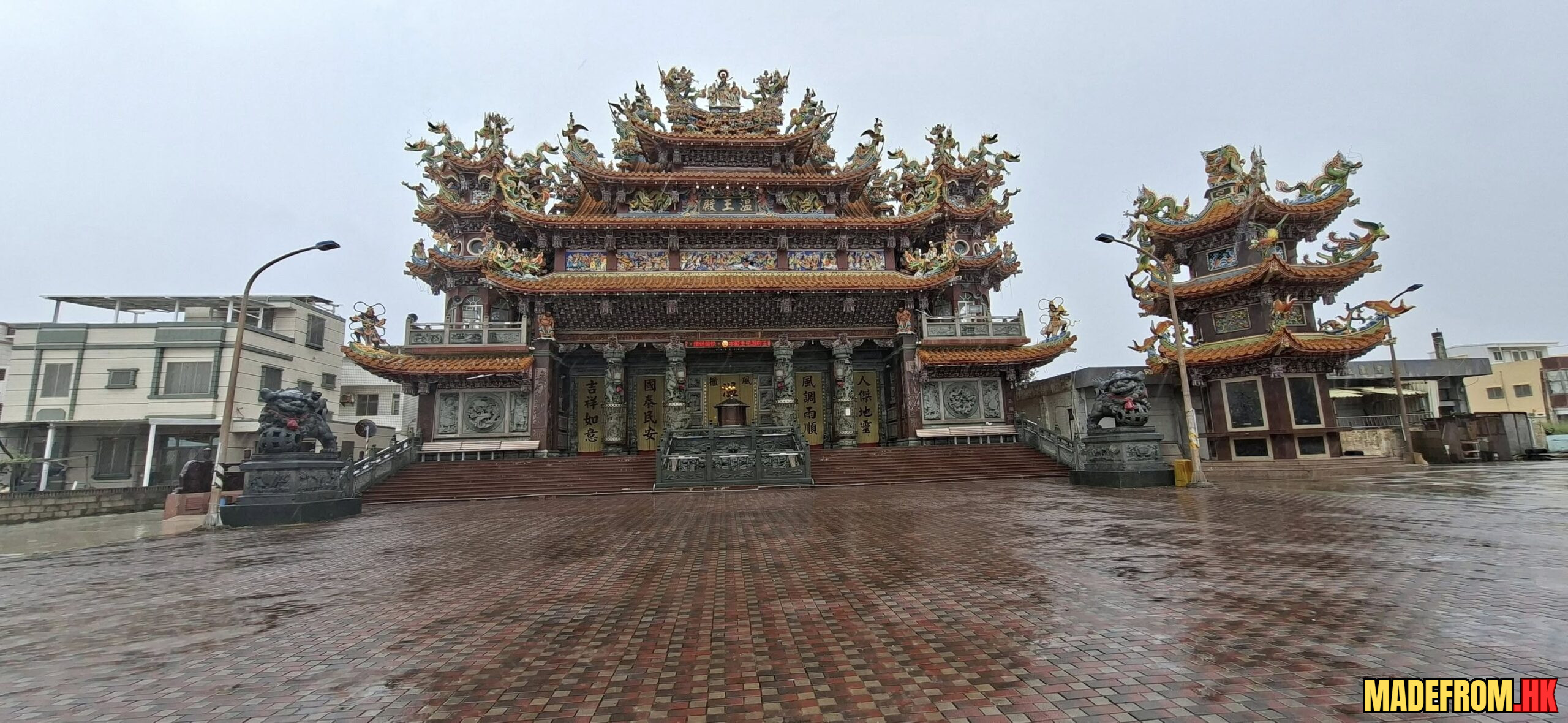
台灣澎湖群島上的馬公市以其獨特的廟宇建築風格而聞名,這些廟宇不僅是宗教信仰的中心,更是地方文化的縮影。馬公的廟宇建築融合了歷史、藝術以及工藝技術,展現出澎湖地區的深厚文化底蘊。
Magong, the heart of Penghu, is home to temples that embody faith, history, and artistry. Walking among them feels like stepping into a living narrative shaped by the sea and centuries of belief.
馬公廟宇的歷史背景
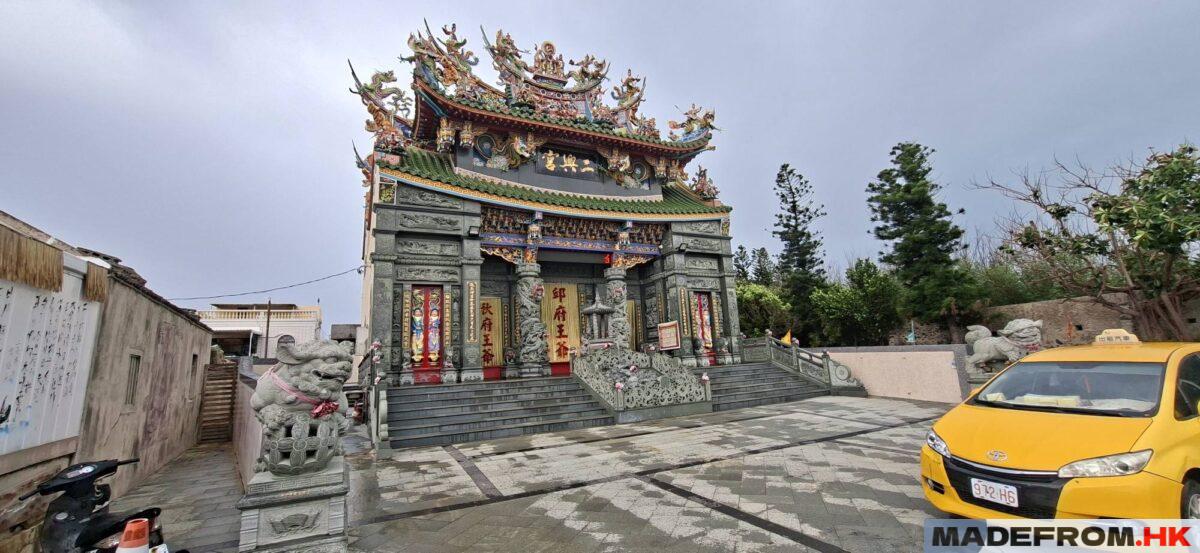
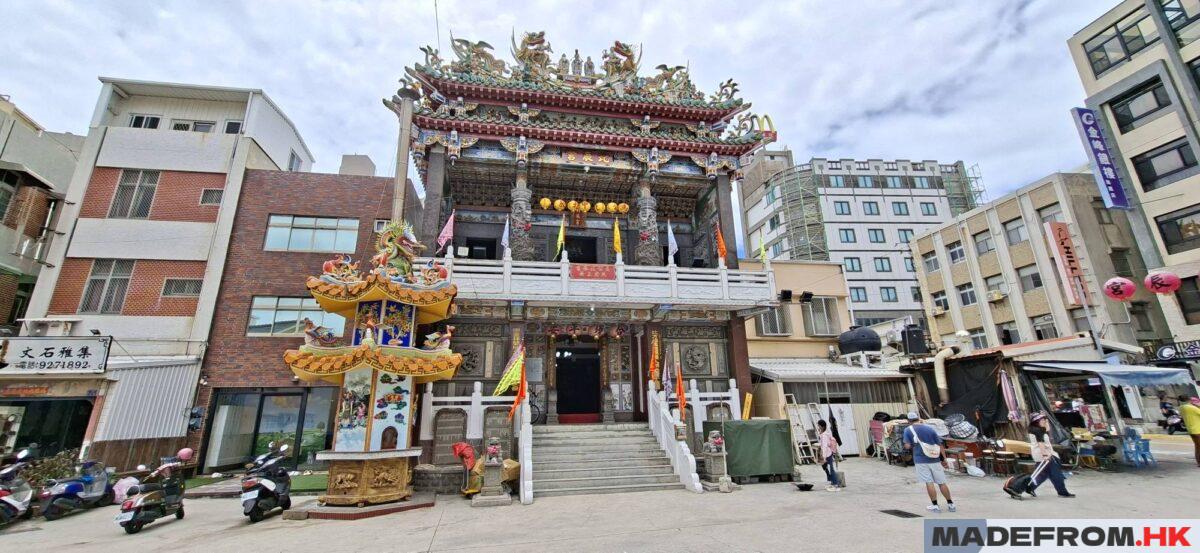
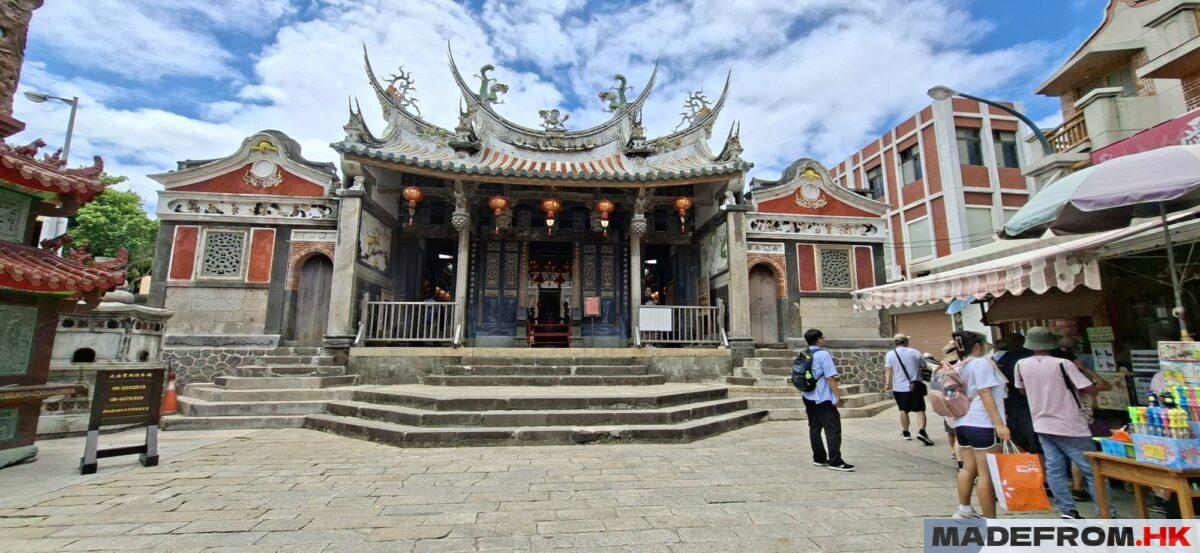
馬公作為澎湖群島的首府,歷史悠久,廟宇建築的發展與地方信仰息息相關。澎湖地區因地理位置特殊,居民多信奉海神及地方守護神,以祈求航海平安及生活安康。因此,許多廟宇都供奉媽祖或其他海神,例如馬公天后宮,它是台灣最古老的媽祖廟之一,始建於明朝萬曆年間。這些廟宇不僅是宗教活動的場所,更是地方居民凝聚情感的重要空間。
建築特色與工藝
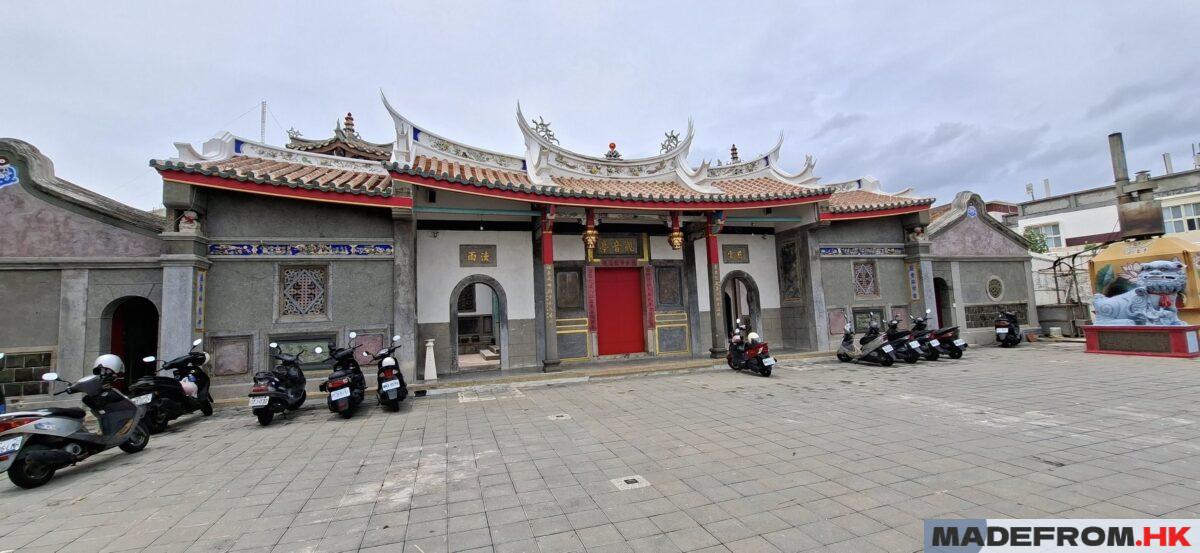
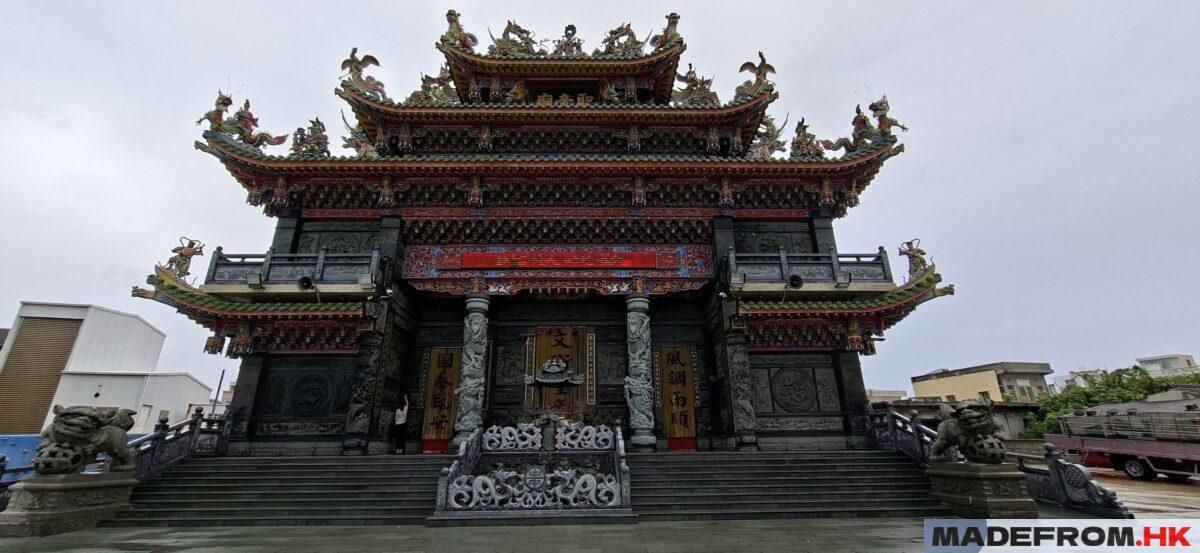
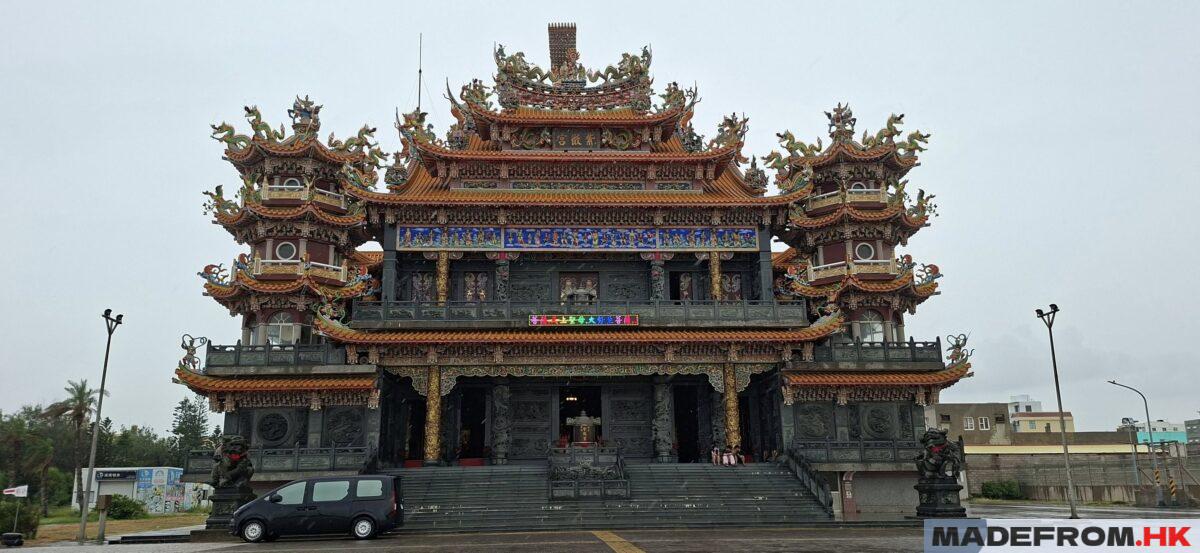
馬公的廟宇建築以精緻的木雕、石雕及彩繪而聞名。廟宇屋頂通常採用燕尾式設計,象徵吉祥與避邪。屋頂上的剪黏工藝更是澎湖廟宇的一大特色,工匠使用彩色陶片創作出栩栩如生的神話人物和動植物圖案,展現了高超的技術水平。
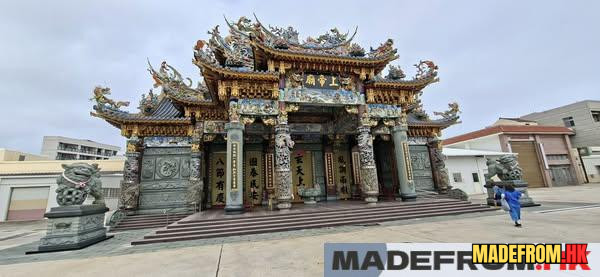
此外,廟宇內部的木雕柱和橫梁上刻有精細的圖案,包括龍、鳳、花卉等,寓意吉祥與繁榮。石雕部分則多用於大門或基座,呈現出厚重而穩定的美感。這些工藝不僅是宗教藝術的一部分,更反映了地方文化與自然環境的融合。
廟宇文化的現代意義
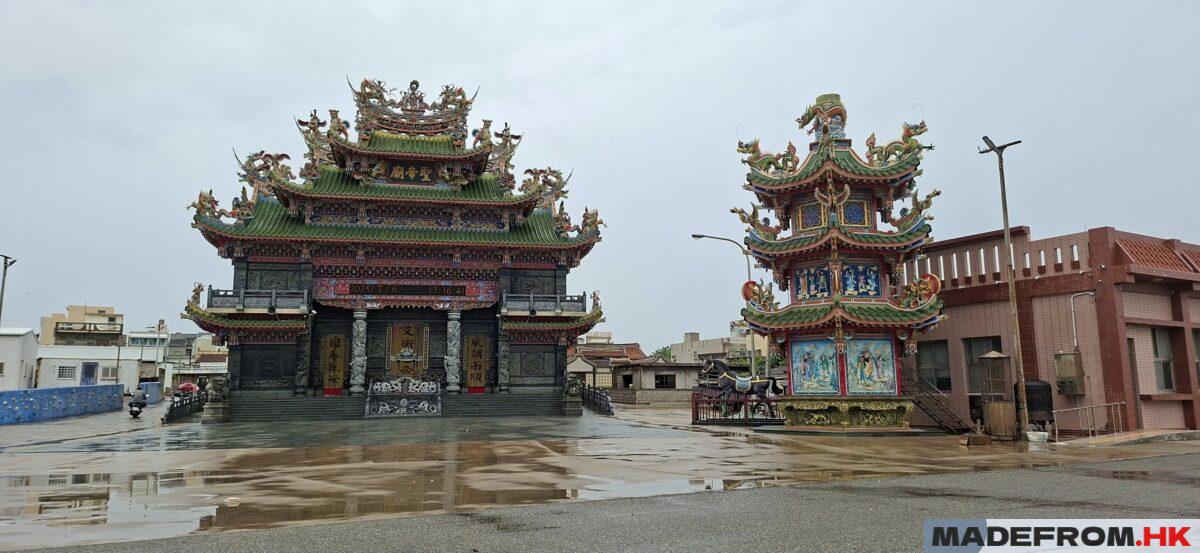
隨著時代變遷,馬公的廟宇不僅保留了傳統建築風格,更逐漸成為旅遊景點和文化交流的平台。每年吸引大量遊客前來參觀,感受澎湖地區獨特的宗教氛圍和建築之美。同時,廟宇也承載著教育功能,透過展覽和導賞活動向後代傳遞地方歷史和工藝技術。
English Version
Magong, located in the Penghu archipelago, is a place where the rhythm of life has long been guided by the sea. For centuries, this coastal settlement has served as a meeting point for traders, fishermen, and migrants, all of whom brought their beliefs, customs, and architectural traditions. The temples of Magong are not simply religious structures—they are layered cultural artifacts that reflect the island’s maritime identity and historical transformations.
One of the defining features of Magong’s temples is their relationship with the ocean. Many were built to honor deities associated with protection, navigation, and fortune at sea. These sacred spaces offered reassurance to communities whose livelihoods depended on unpredictable waters. Over time, temples became both spiritual sanctuaries and communal gathering places, reinforcing social bonds and shared identity.
Architecturally, the temples display a refined blend of southern Chinese craftsmanship and local adaptation. Traditional Minnan-style elements are prominent, including sweeping swallowtail roofs, intricate wood carvings, and vividly colored ceramic decorations. These features are not merely decorative—they symbolize prosperity, protection, and cosmic harmony. The upward-curving roof ridges, for example, are believed to ward off evil spirits while creating a sense of elegance and motion.
Stone and coral materials, often sourced locally, also play an essential role in temple construction. Given Penghu’s natural environment, builders developed techniques suited to strong winds and saline conditions. This practical adaptation gives Magong’s temples a distinct texture and durability, setting them apart from mainland counterparts. Weathered surfaces and layered patinas further add to their character, telling silent stories of time and resilience.
Another striking aspect is the use of narrative art. Temple walls, beams, and ceilings frequently feature carvings and paintings depicting folklore, historical events, and mythological scenes. These visual elements served an educational purpose in earlier times, conveying moral lessons and cultural values to communities where literacy was limited. Today, they remain a vivid archive of traditional storytelling.
The spatial layout of these temples is equally meaningful. Courtyards, halls, and altars are arranged according to principles of balance and harmony, often influenced by feng shui. The progression from entrance to inner sanctum creates a journey—from the external world into a sacred interior—guiding visitors through layers of symbolism and reverence.
Beyond their architectural significance, Magong’s temples continue to play an active role in daily life. Festivals, rituals, and seasonal celebrations keep these spaces vibrant and relevant. The sound of drums, the scent of incense, and the movement of worshippers transform the temples into living cultural stages. This continuity ensures that tradition is not preserved as a static relic but evolves alongside the community.
In recent years, there has been growing recognition of the importance of preserving these temples. Conservation efforts aim to maintain both their structural integrity and cultural authenticity. As tourism increases, these sites also serve as gateways for visitors to understand Penghu’s heritage. However, the challenge lies in balancing accessibility with respect, ensuring that these sacred spaces retain their original spirit.
Ultimately, the temples of Magong offer more than visual beauty. They represent a dialogue between people and place, belief and environment, past and present. Each carved beam and painted panel carries a story, inviting visitors to slow down and engage with a deeper cultural rhythm. In a rapidly changing world, these temples stand as enduring symbols of continuity, reminding us of the values and traditions that shape human experience.
總結
台灣馬公的廟宇建築是一個值得深入探索的文化寶藏,它不僅展示了台灣宗教信仰的多樣性,更是地方工藝技術與歷史文化的結晶。無論是對建築藝術有興趣的人士,還是希望了解澎湖風土人情的旅客,馬公的廟宇都能帶來深刻而難忘的體驗。下次到訪澎湖,不妨細細品味馬公廟宇建築所蘊含的美學與故事。
The temples of Magong are more than structures; they are living heritage. Through craftsmanship and belief, they preserve stories of the past while continuing to shape cultural identity today.