
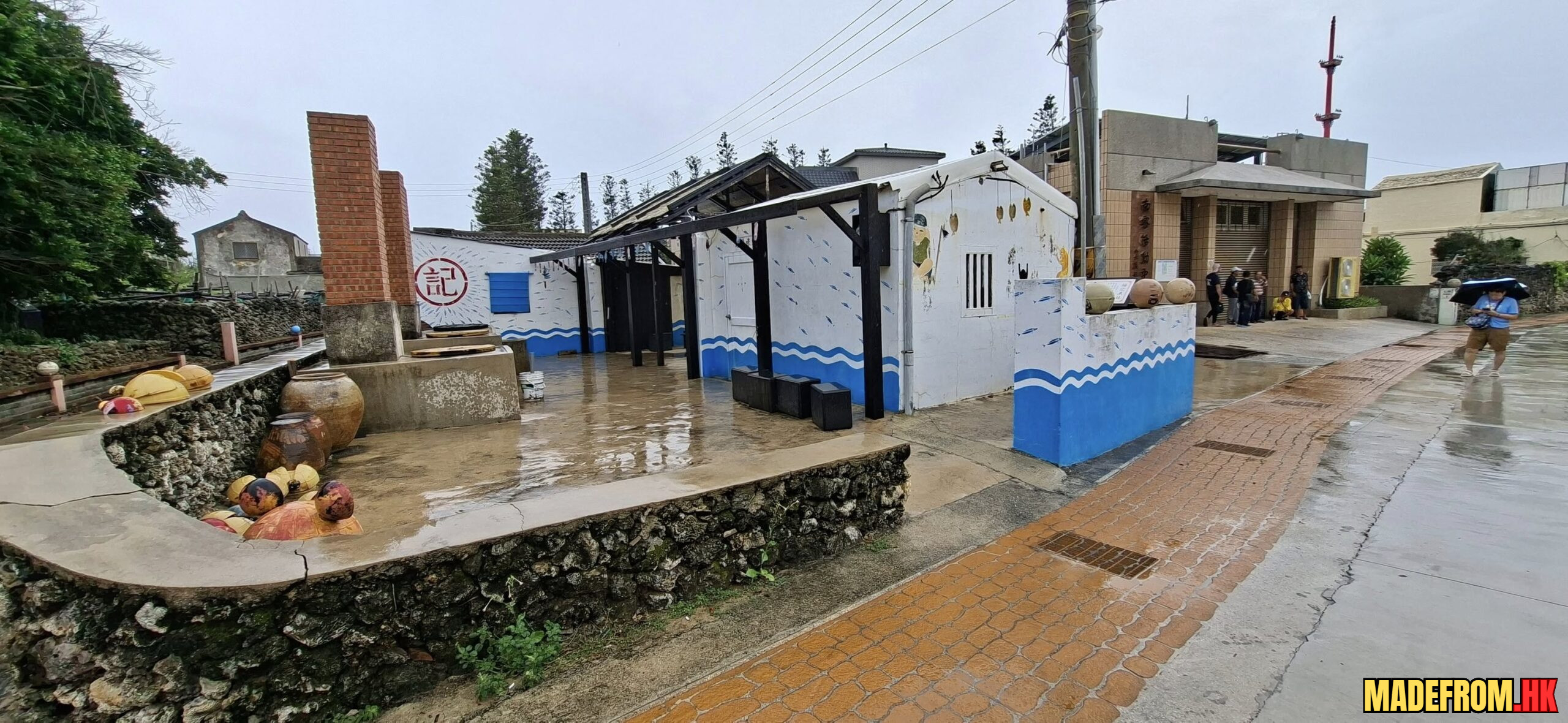
澎湖馬公南寮:傳統聚落與海島生活的文化縮影 | Nanliao Village in Magong: A Glimpse of Traditional Island Life

澎湖馬公南寮保留傳統聚落風貌,展現純樸的海島生活與人文特色。這裡融合歷史、建築與自然景觀,是認識澎湖文化的重要場所。
Nanliao Village in Magong, Penghu, preserves a traditional settlement rich in cultural character. It offers an authentic glimpse into island life, blending history, architecture, and natural surroundings.
台灣的澎湖群島以其獨特的自然景觀和豐富的文化底蘊吸引著眾多旅客,而馬公市南寮更是其中一個不可錯過的地方。這個寧靜的小漁村擁有迷人的海岸線和濃厚的地方特色,讓人流連忘返。
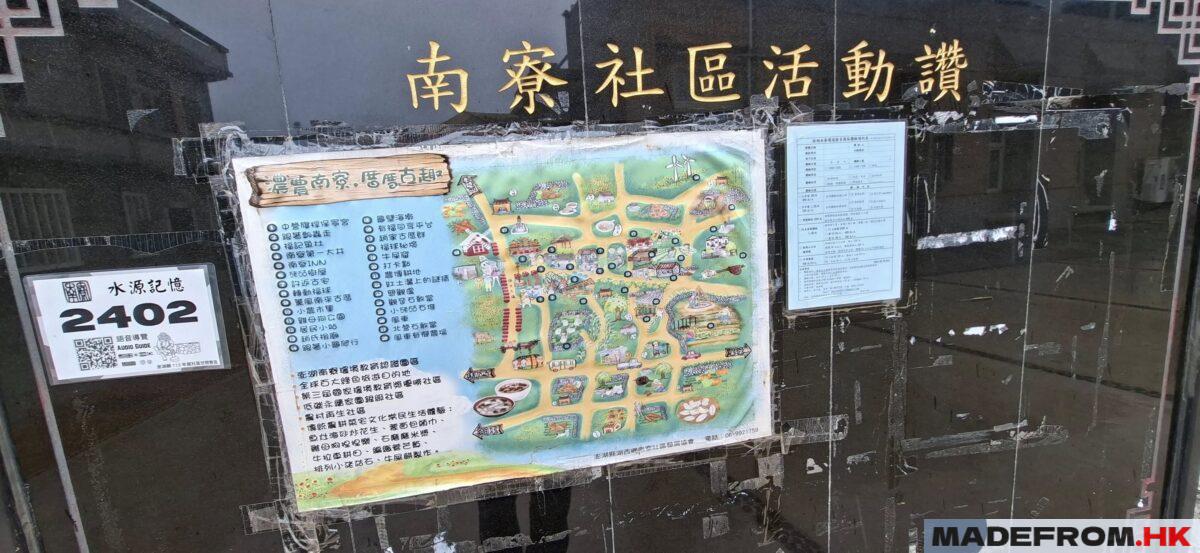
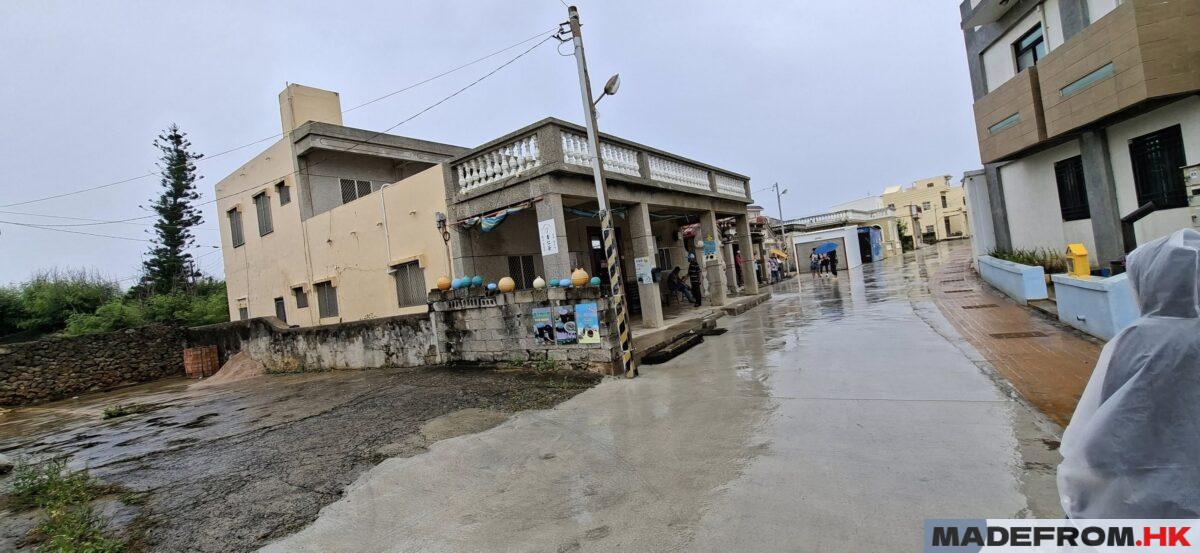
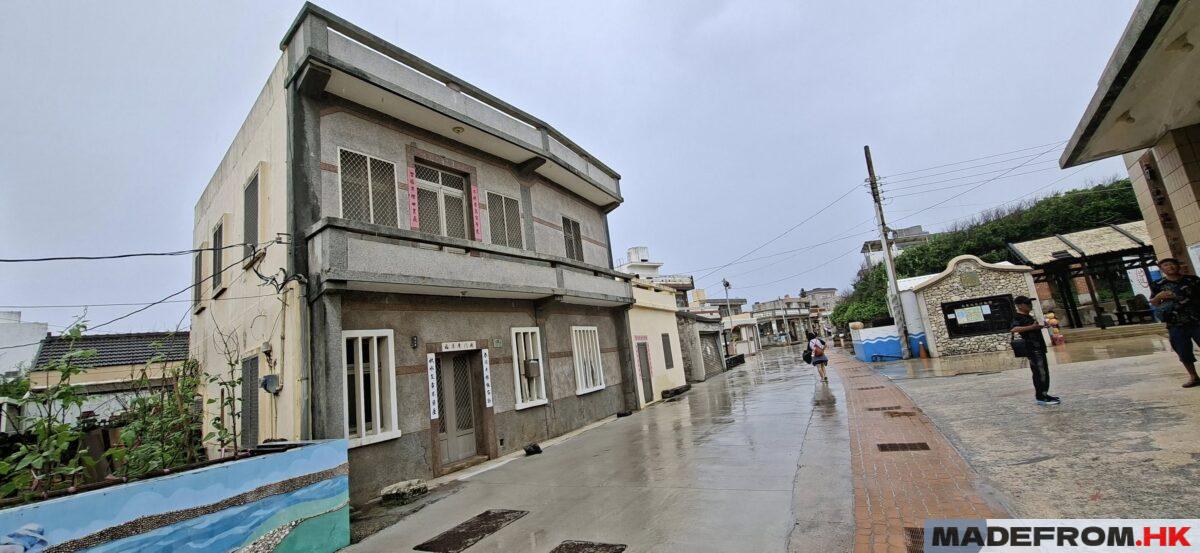
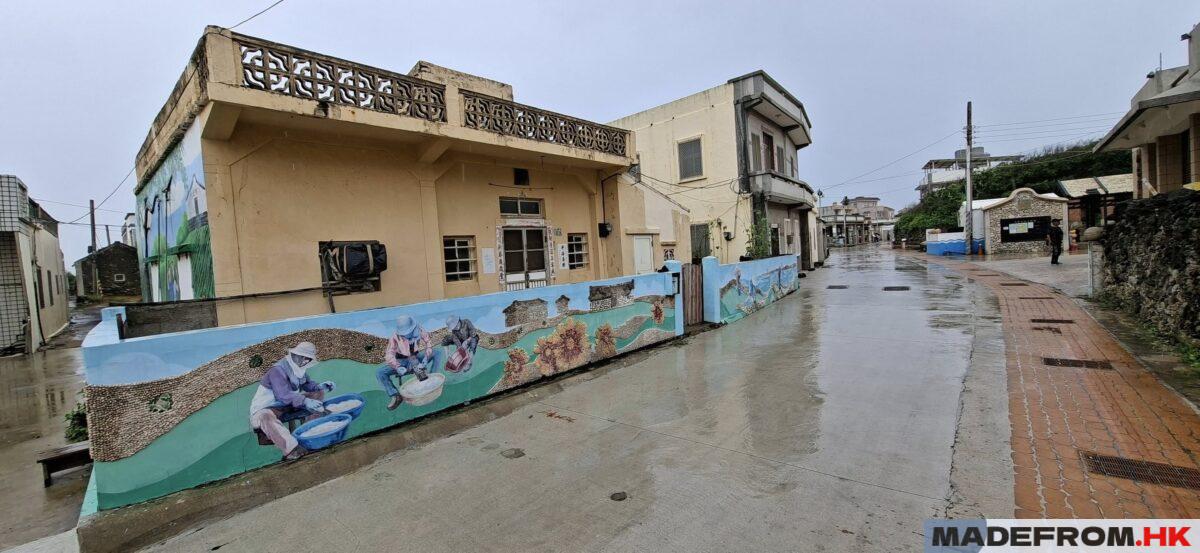
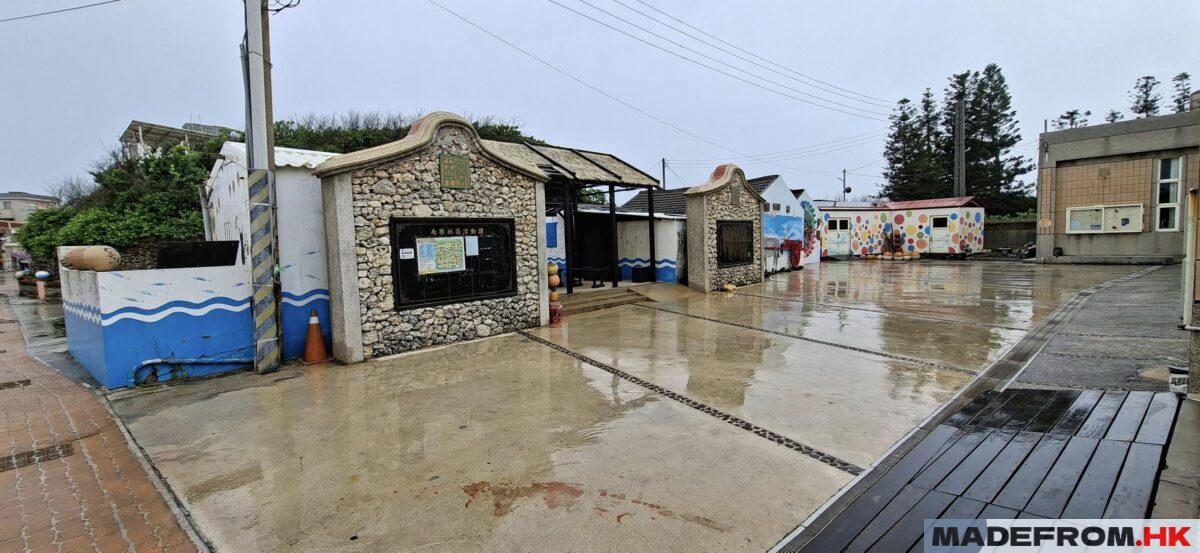
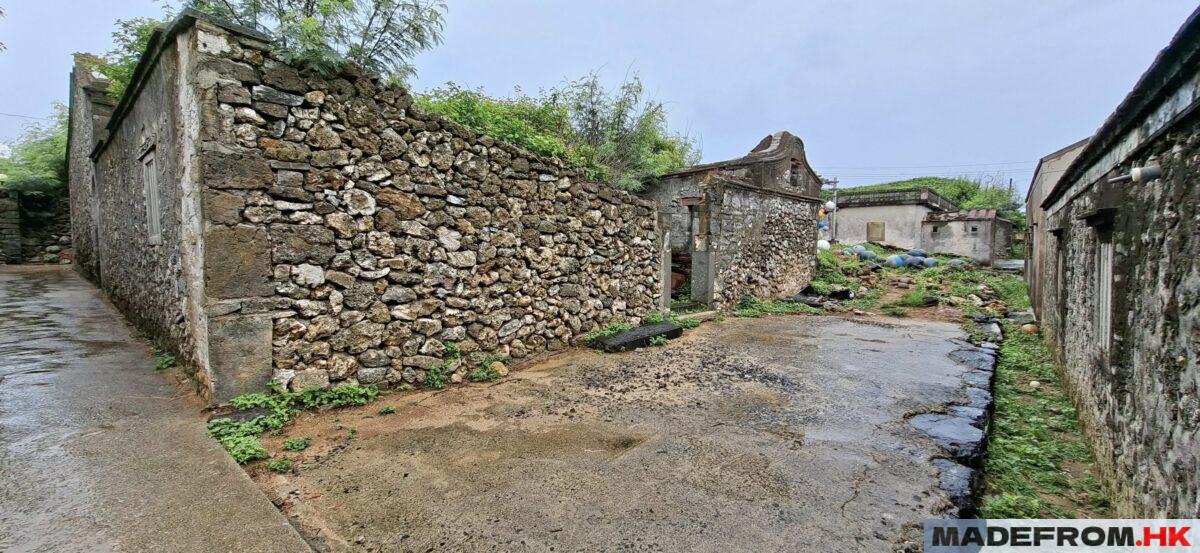
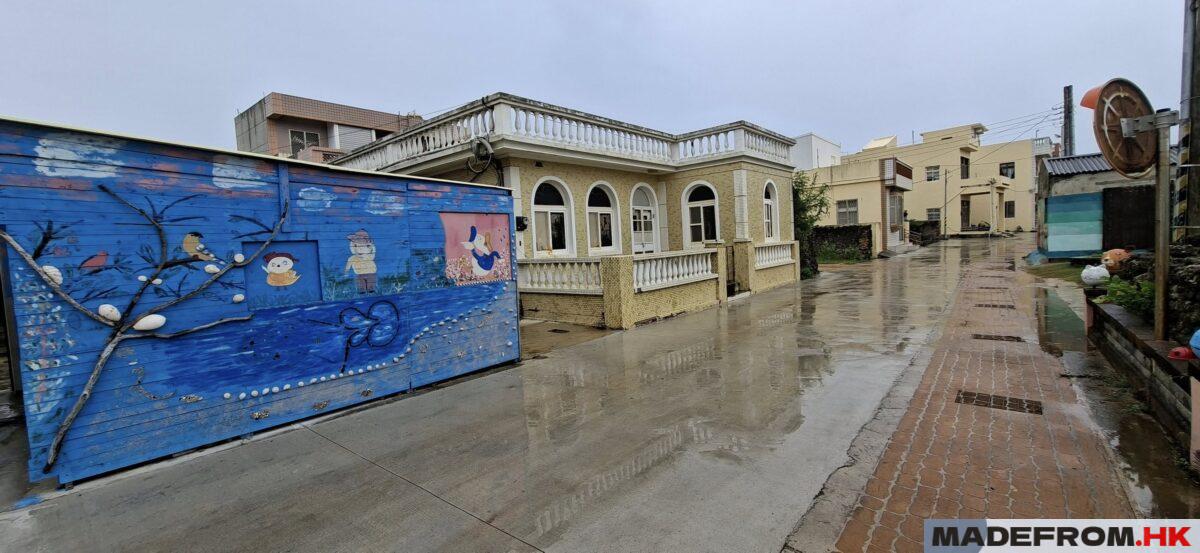
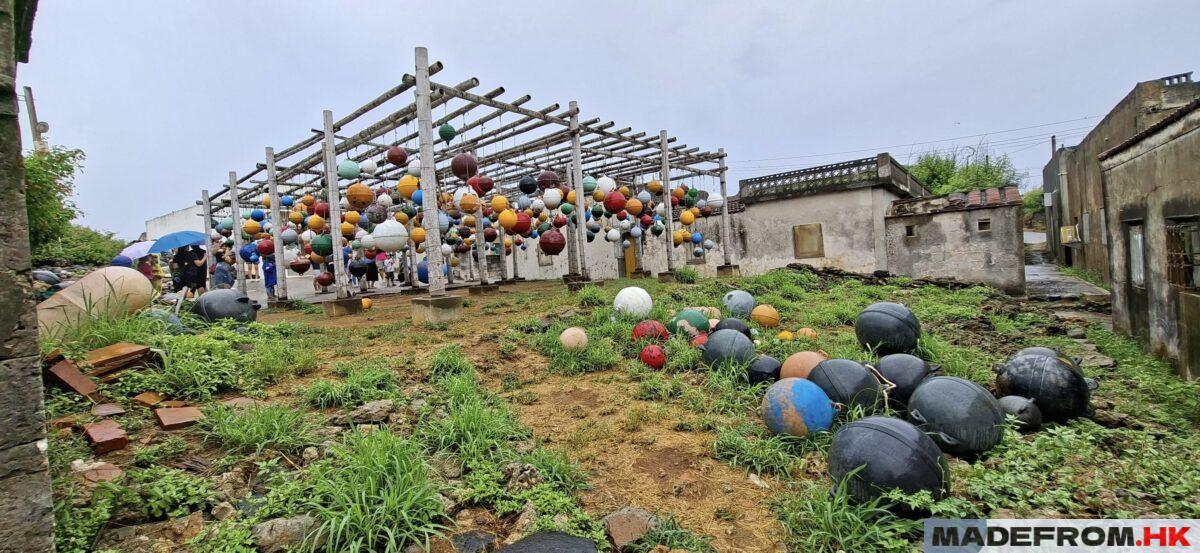
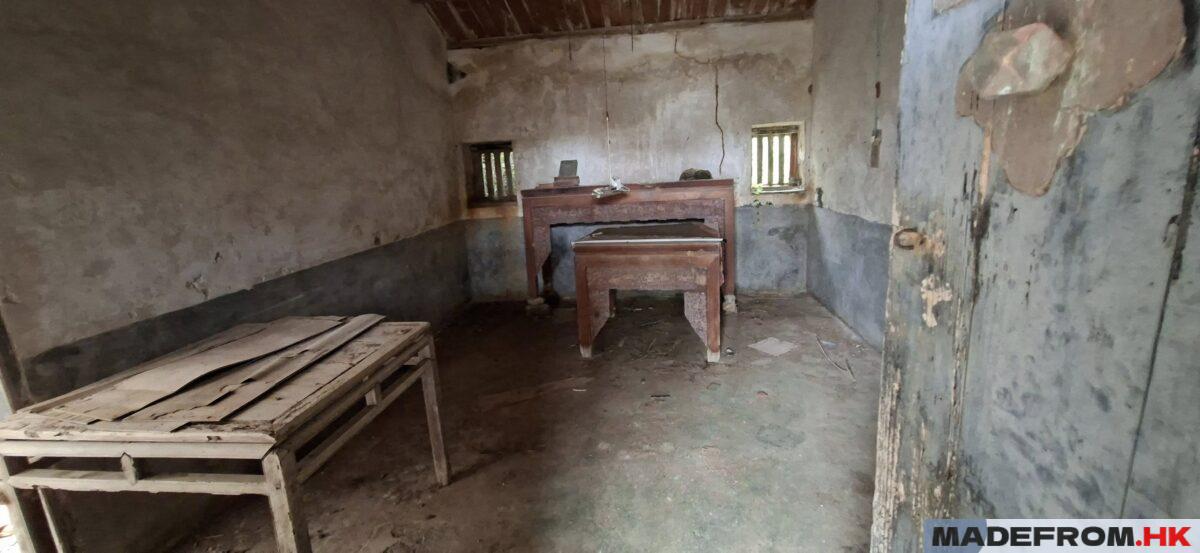
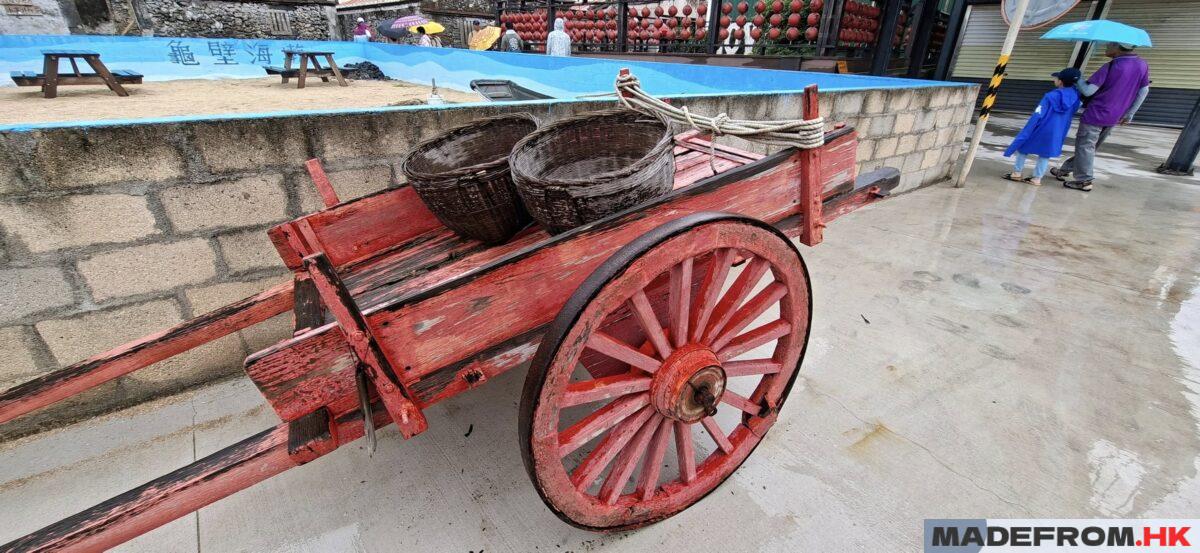
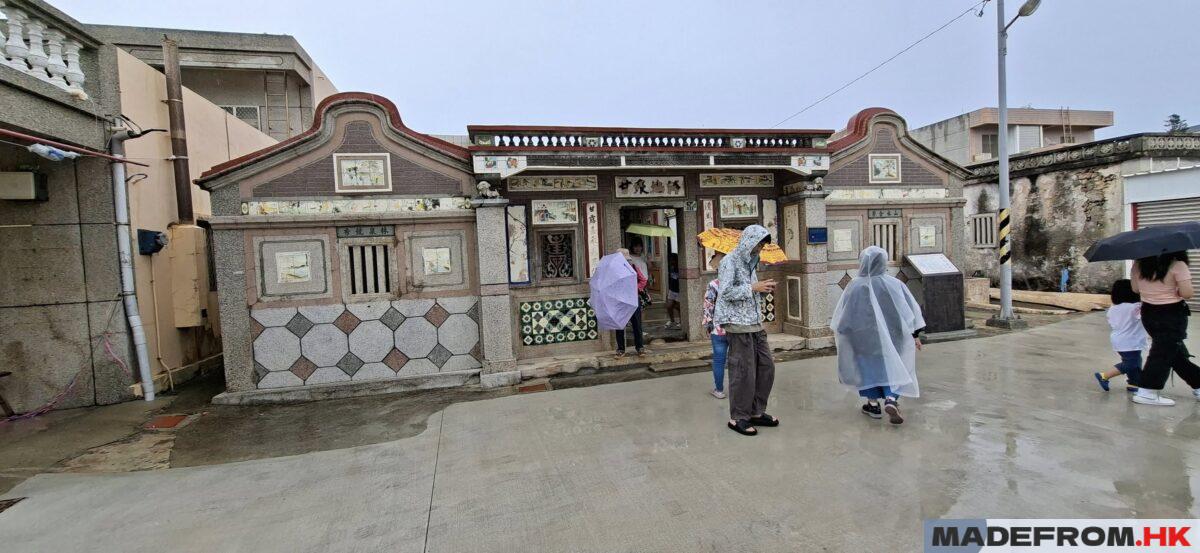
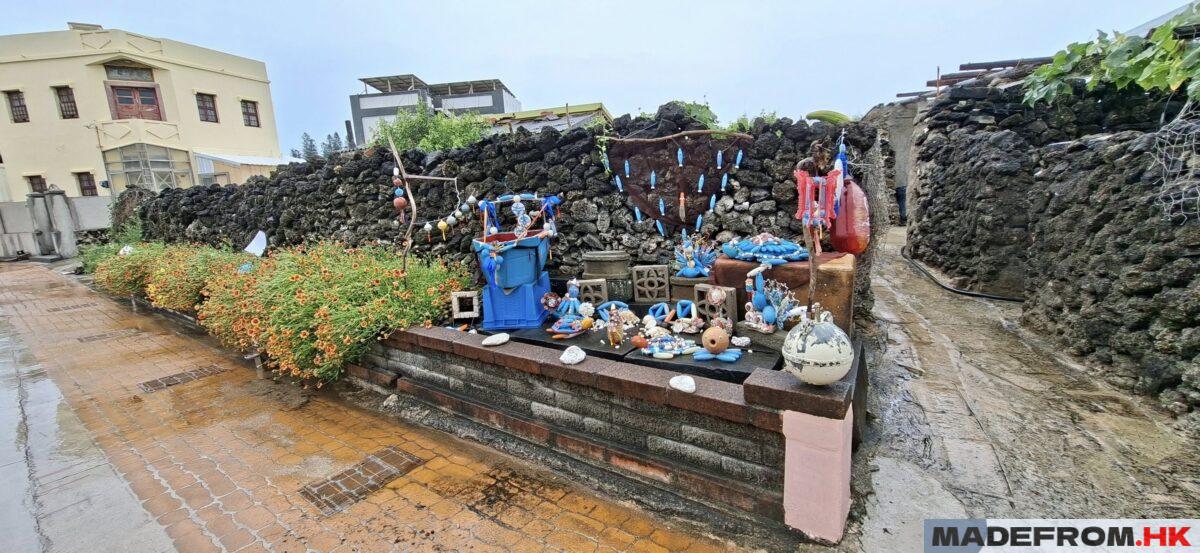
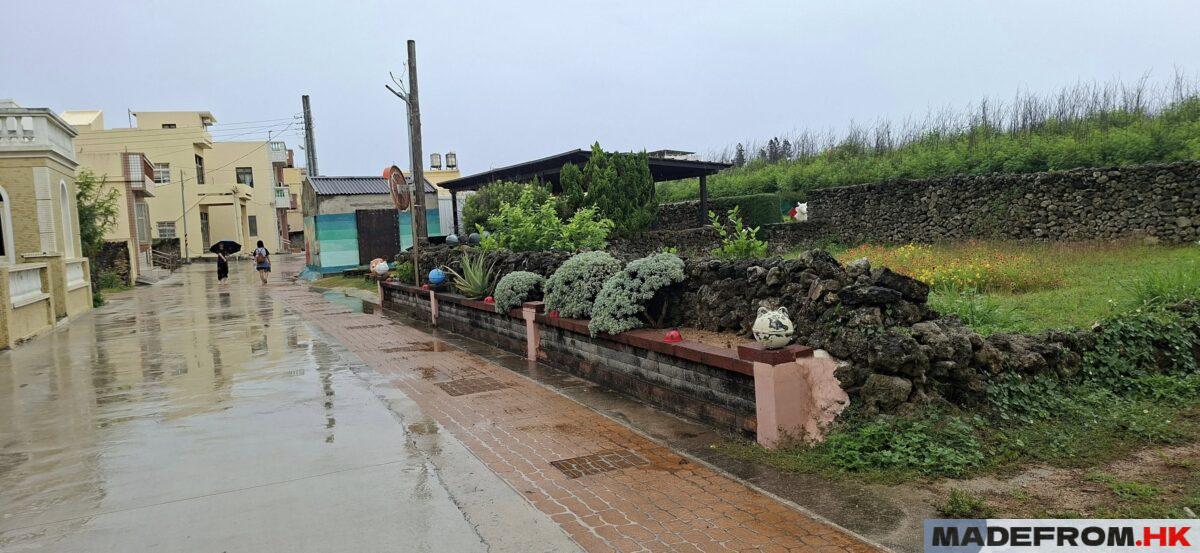
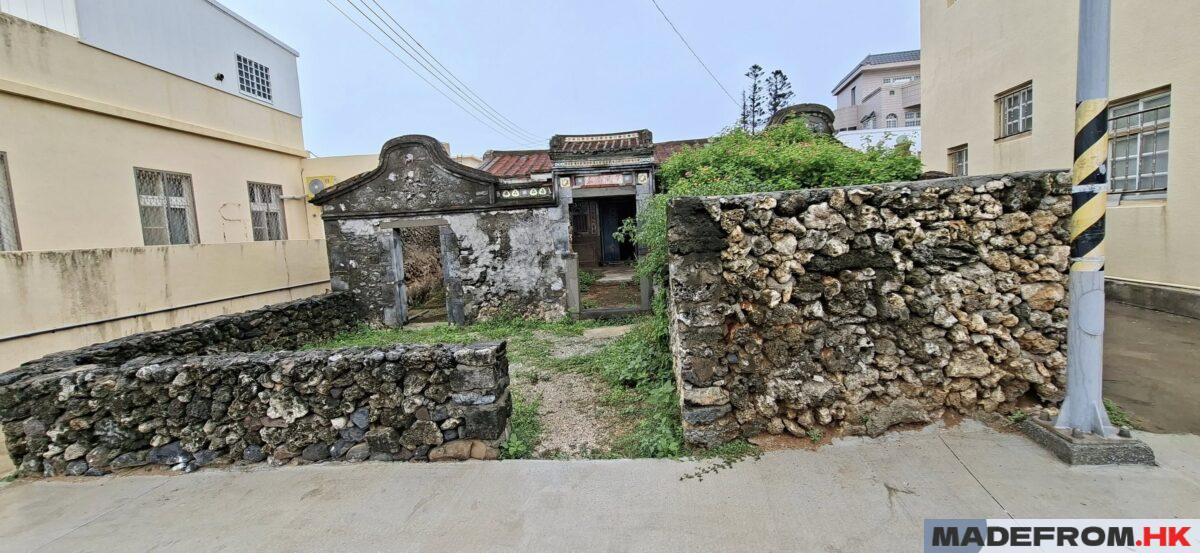
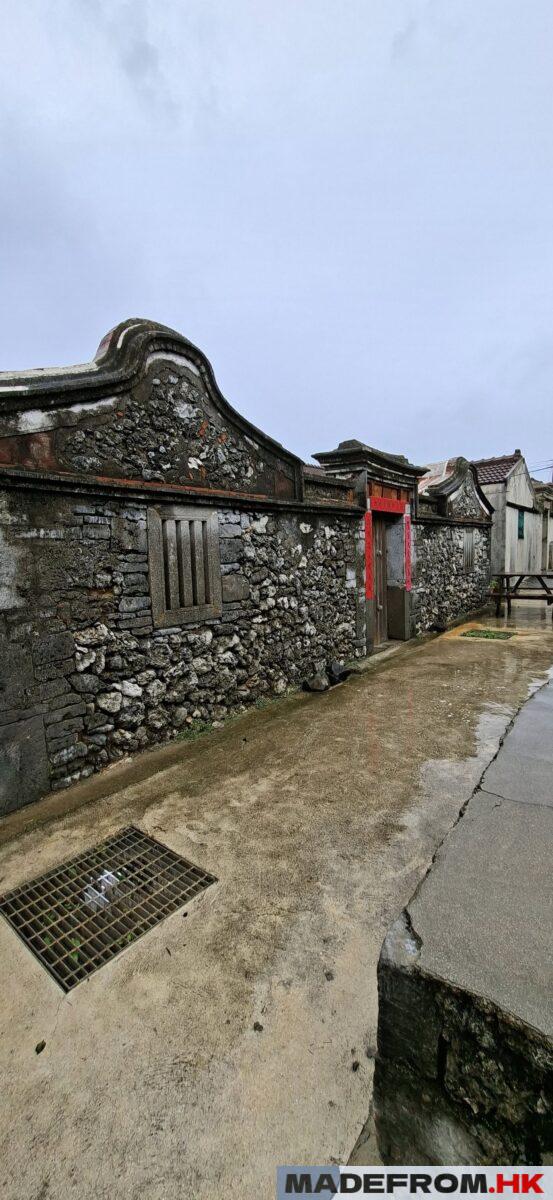
南寮位於澎湖本島的西南部,這裡的主要特色是古樸的漁村氛圍以及清新的海風。走在南寮的街道上,可以見到傳統石頭屋和小型漁船停泊在港口,展現出當地居民的日常生活。南寮的居民多以捕魚為生,這裡出產的海鮮新鮮且味道極佳,特別是花枝和石斑魚,深受遊客喜愛。
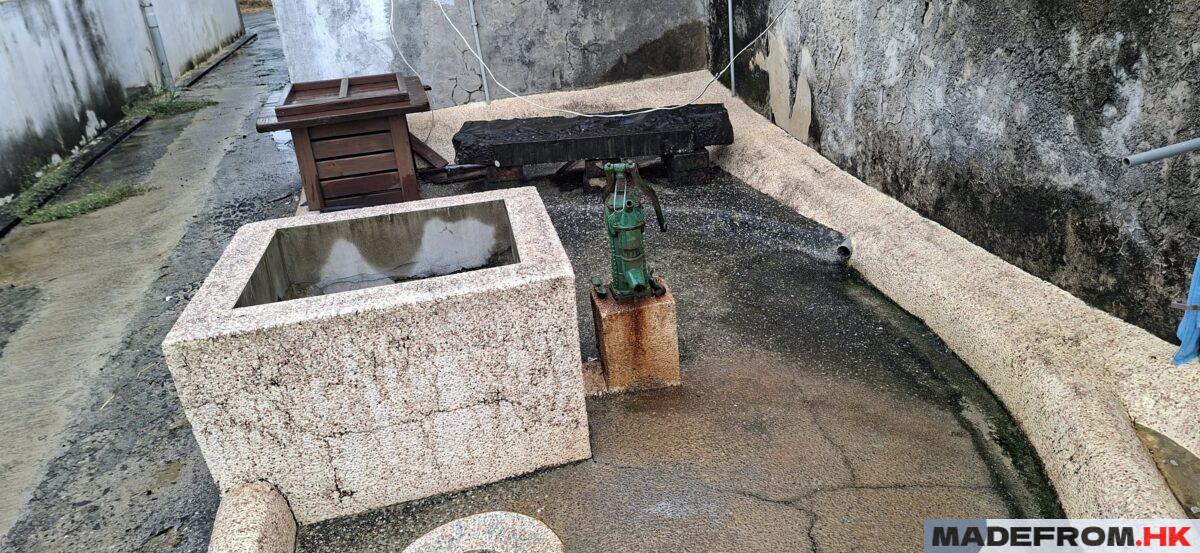
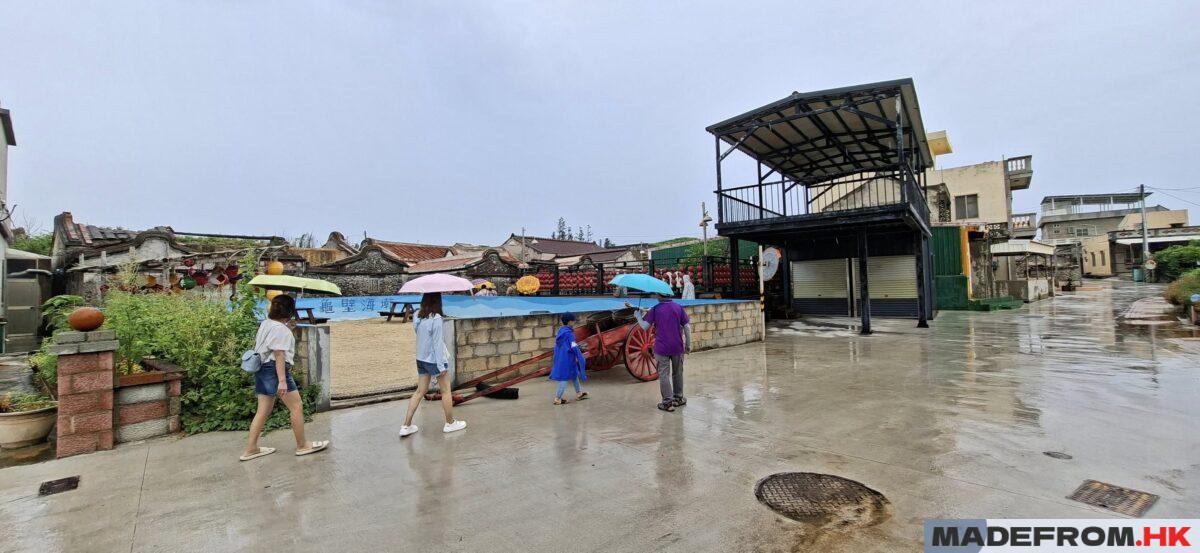
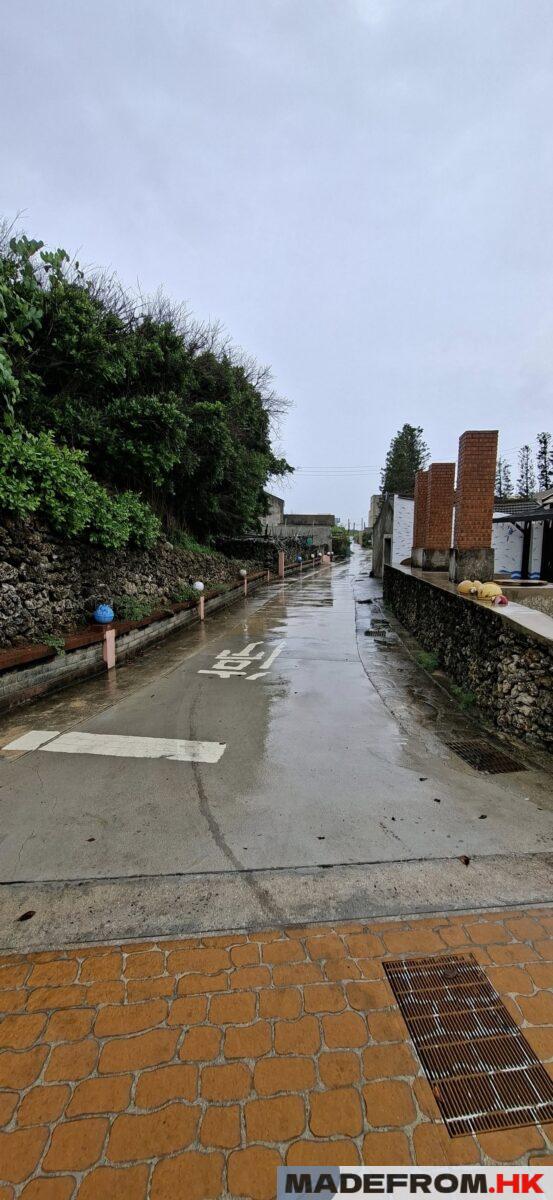
南寮的海岸線是其另一個亮點。這裡擁有澎湖特有的玄武岩地形,形成了壯觀的自然景象。遊客可以沿著海岸步行,欣賞海浪拍打岩石的景象,感受大自然的力量。此外,南寮的日落更是美不勝收,橙紅色的夕陽映照在海面上,形成一幅如詩如畫的美景。
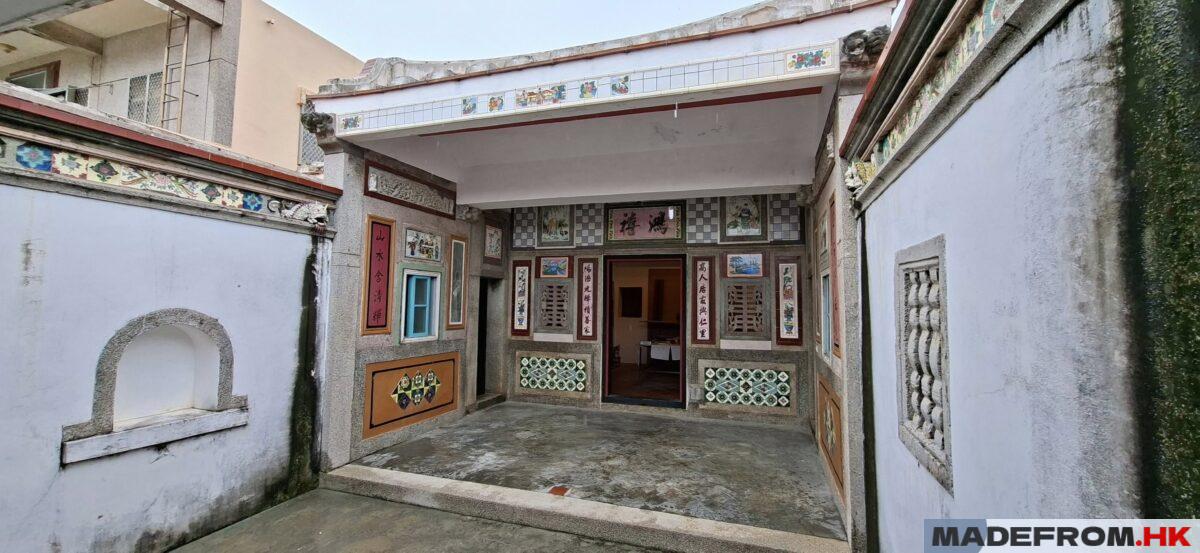
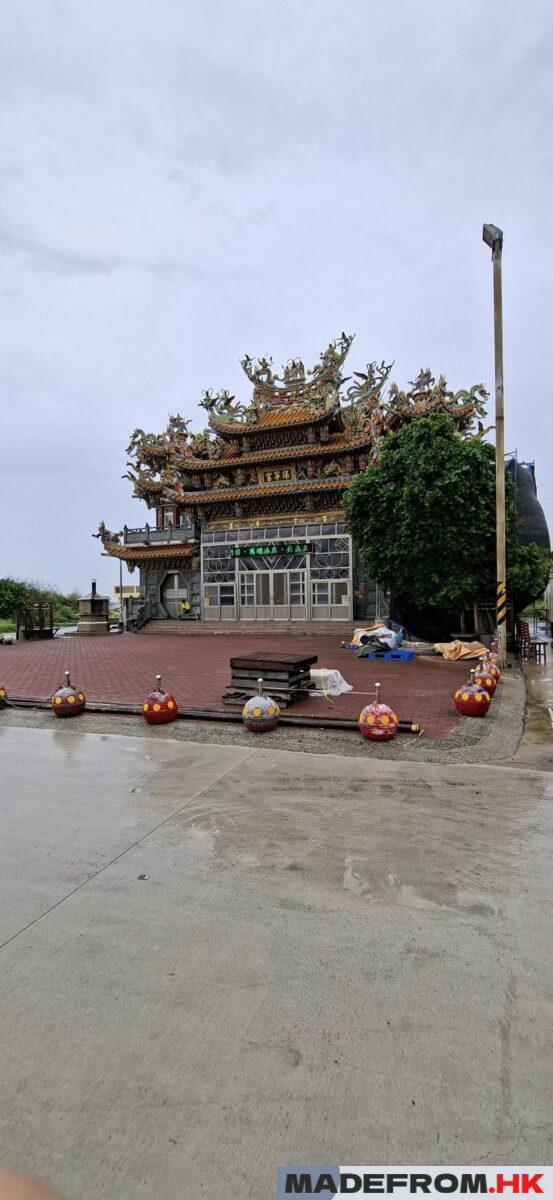
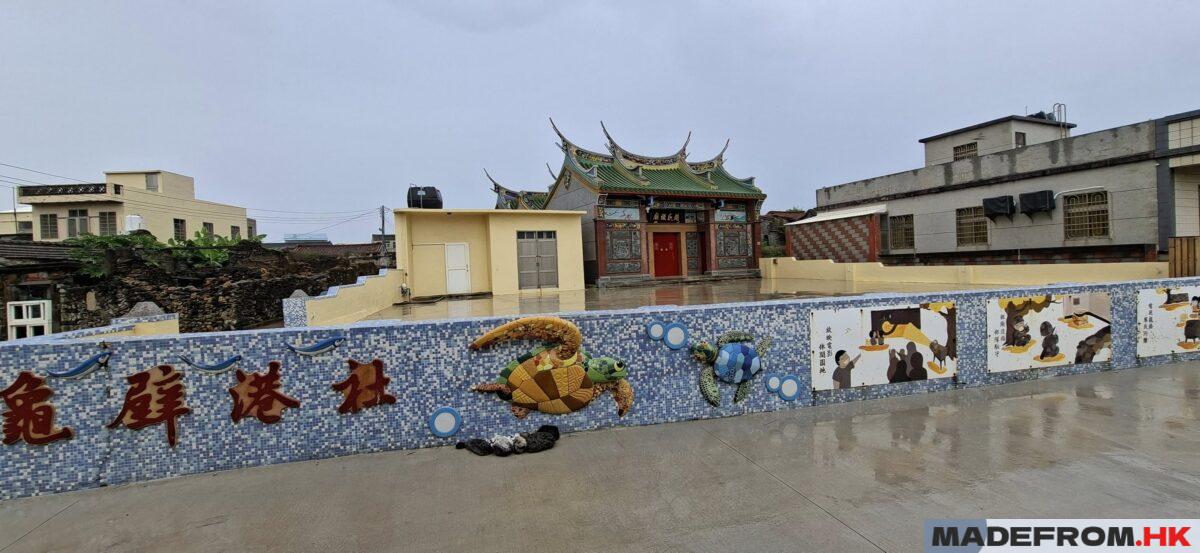
除了自然景觀,南寮還有著豐富的文化歷史。當地有幾座古老的廟宇,例如天后宮,供奉媽祖,是漁民祈求平安的重要場所。每年的廟會活動吸引了不少信徒和遊客,展現了澎湖傳統文化的魅力。
若想深入了解南寮,可以與當地居民交流。他們熱情好客,願意分享自己的生活故事和對這片土地的熱愛。這樣的互動不僅增添了旅遊的趣味性,也讓人對澎湖文化有更深刻的理解。
English Version
Nanliao Village, situated in Magong, Penghu, stands as a living reflection of the island’s traditional way of life. Unlike modernized urban areas, this village retains a strong sense of continuity, where architectural forms, daily routines, and cultural practices remain closely tied to the past.
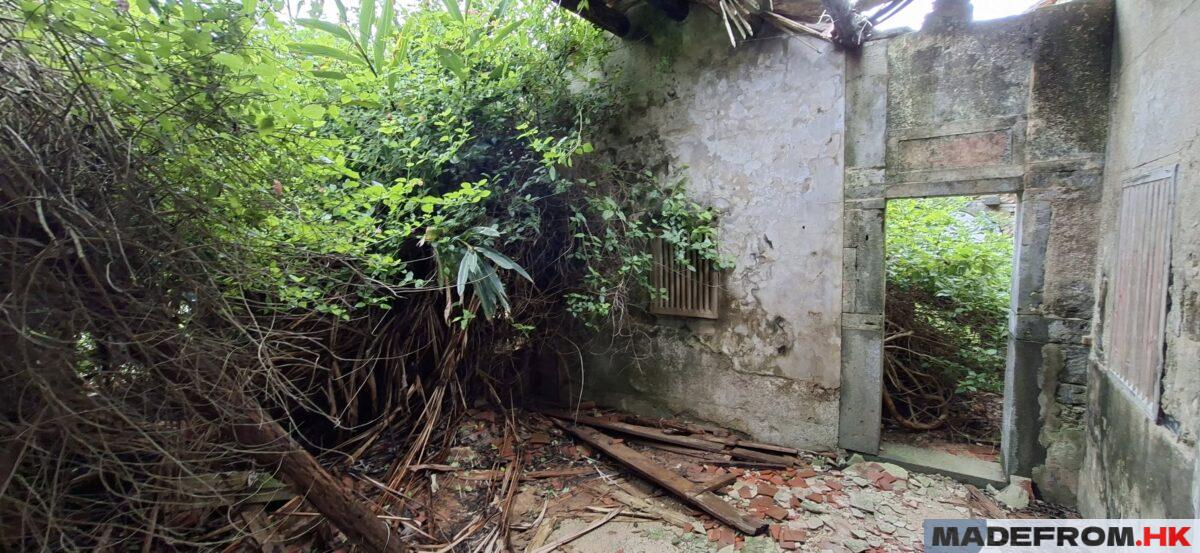
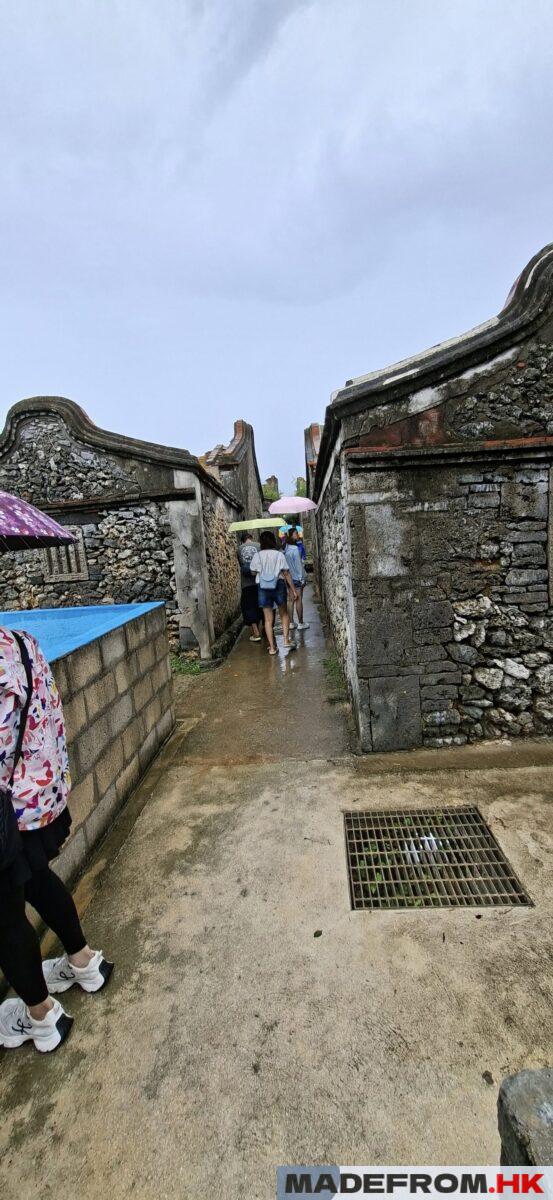
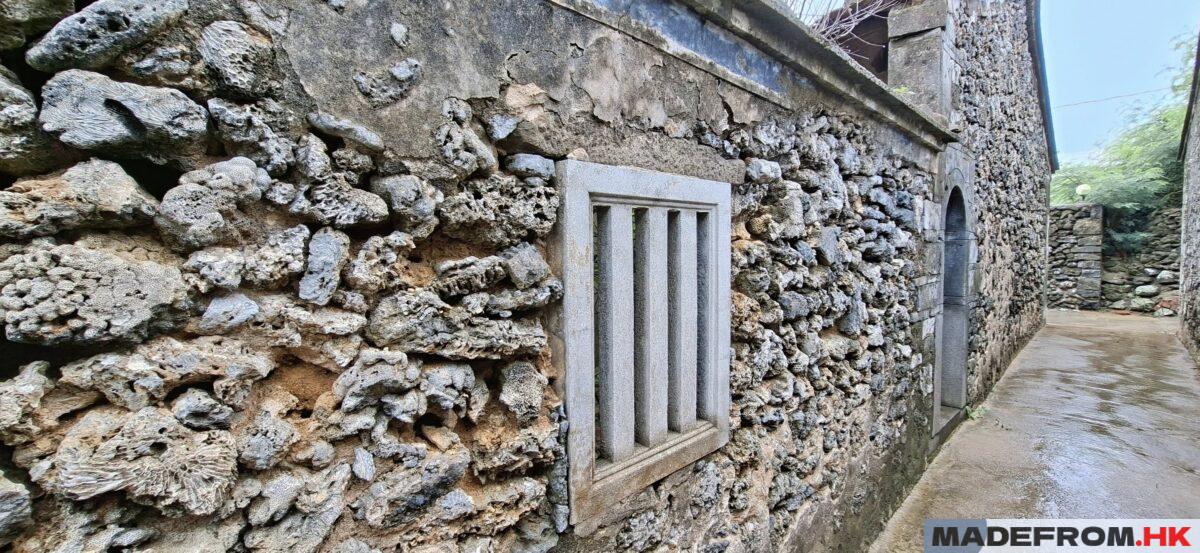
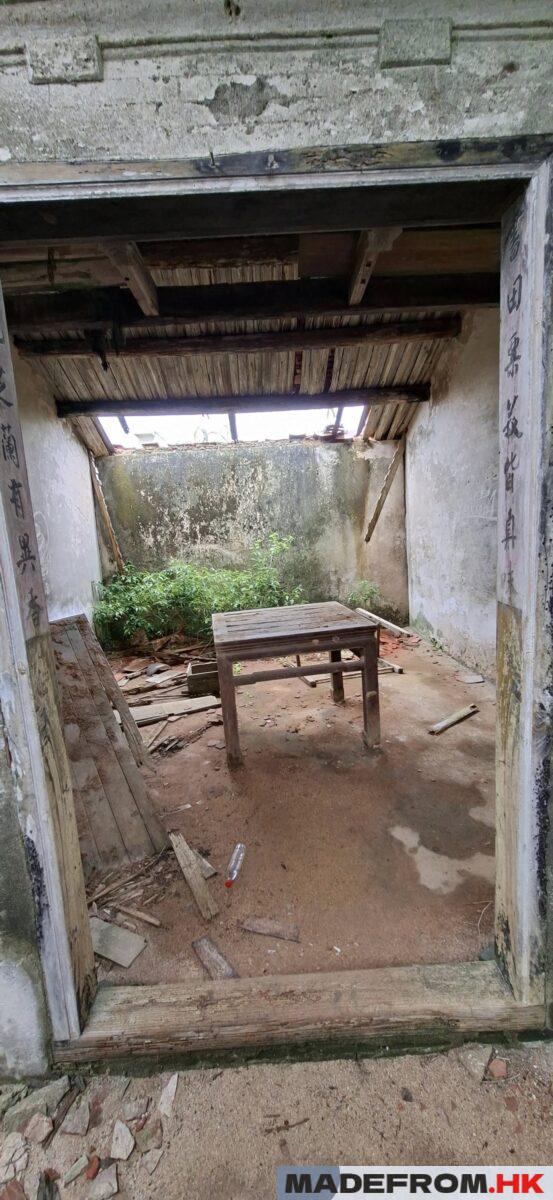
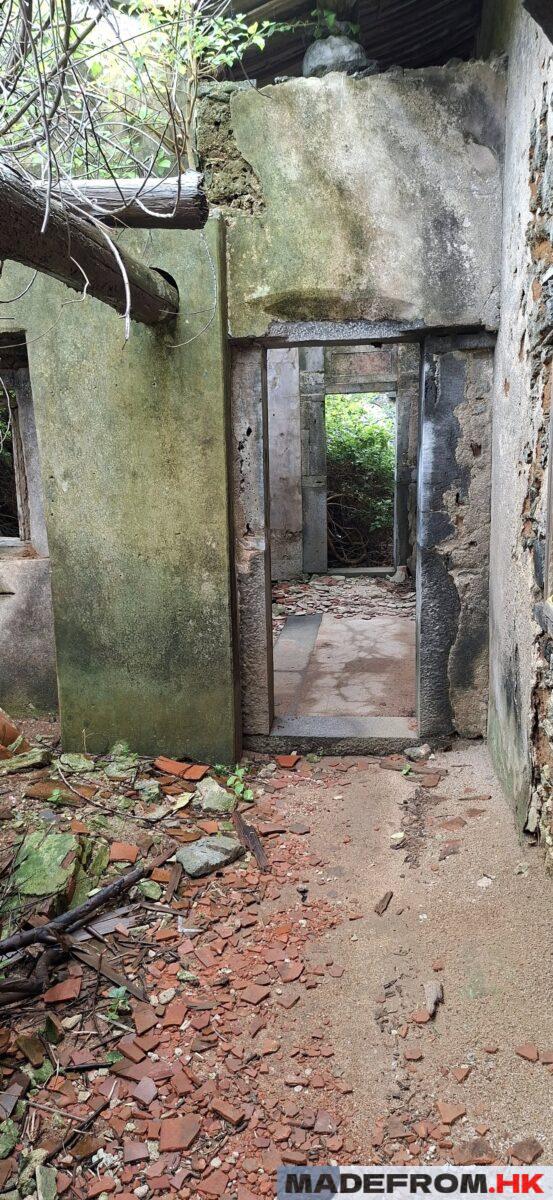
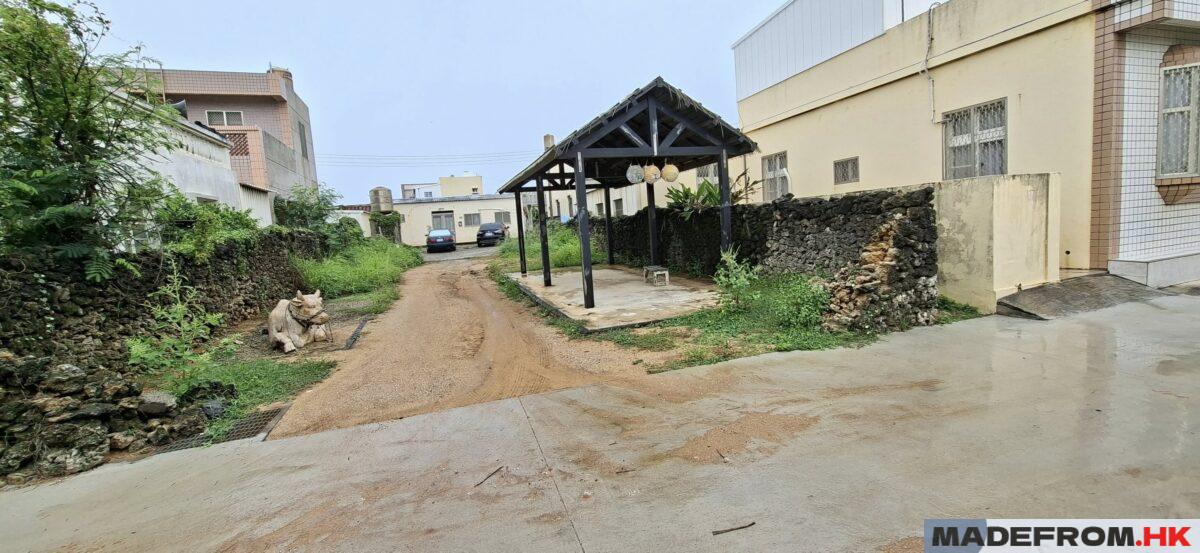
The layout of Nanliao reflects practical adaptation to the coastal environment. Houses are often built using local materials such as stone and coral, designed to withstand strong winds and salty air. These structures are not only functional but also carry a distinct aesthetic, shaped by necessity and refined over generations.
Walking through the village, visitors can observe narrow pathways, low-rise buildings, and open spaces that create a sense of intimacy and community. The arrangement of homes encourages interaction, reflecting a lifestyle where social connection is an integral part of daily life.
Historically, villages like Nanliao developed around shared resources and collective effort. Fishing, small-scale agriculture, and local craftsmanship formed the basis of the economy. This self-sustaining model fostered resilience and cooperation, qualities that are still evident in the village today.
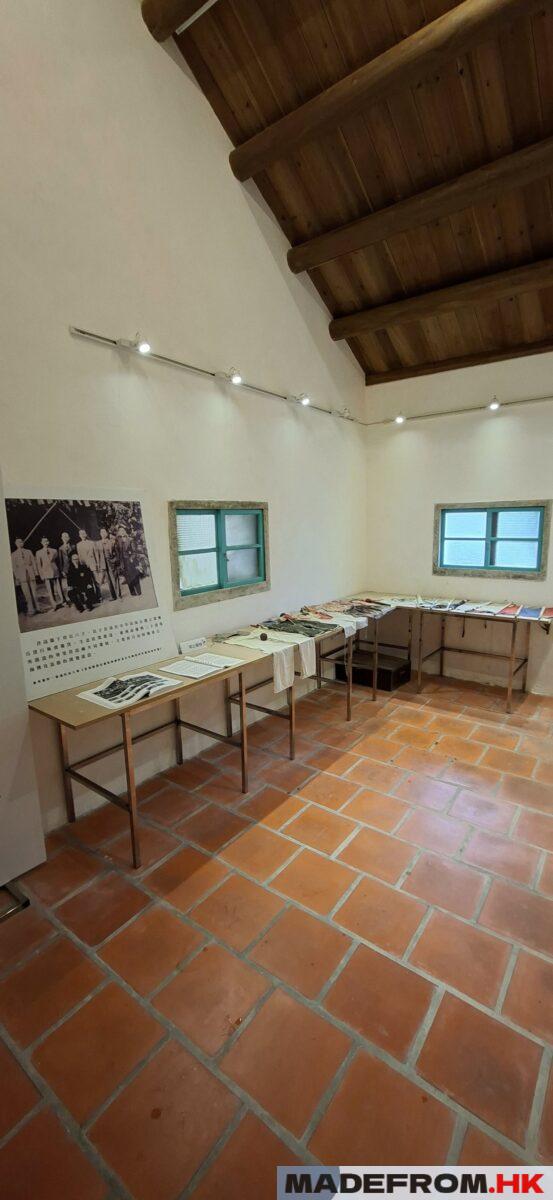
Cultural traditions continue to play an important role in Nanliao. Seasonal activities, local customs, and community gatherings contribute to a living heritage that goes beyond physical structures. These intangible elements give the village its identity and depth.
The surrounding environment enhances the experience of visiting Nanliao. Open skies, nearby coastlines, and the steady presence of the sea create a setting that feels both expansive and grounded. Nature is not separate from the village—it is an integral part of its rhythm.
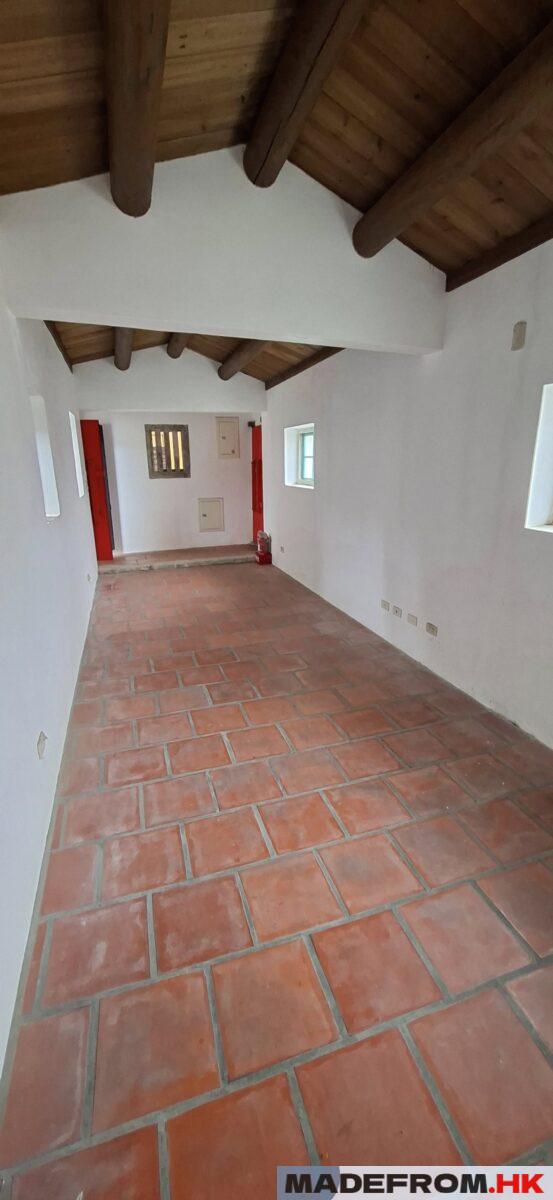
In recent years, Nanliao has gained attention as a cultural destination. Efforts to preserve and revitalize the area have helped maintain its original character while making it accessible to visitors. This balance between preservation and adaptation ensures that the village remains relevant without losing its authenticity.
For travelers, Nanliao offers a slower, more reflective experience. It invites exploration without urgency, allowing visitors to appreciate details that might otherwise be overlooked. The absence of large-scale development contributes to a sense of calm that is increasingly rare.
The village also represents a broader narrative within Penghu—the importance of maintaining cultural roots in the face of change. It demonstrates that progress does not have to come at the expense of heritage, and that traditional spaces can continue to hold value in a modern context.
Ultimately, Nanliao Village is not defined by any single landmark, but by the atmosphere it creates. It is a place where past and present coexist, offering insight into how communities adapt, endure, and preserve their identity over time.
總結
南寮展現澎湖傳統聚落的文化魅力,讓人深入體驗海島生活與歷史記憶,是一處值得細細品味的地方。
Nanliao Village captures the essence of traditional Penghu life, offering a meaningful and immersive experience rooted in culture, history, and community.