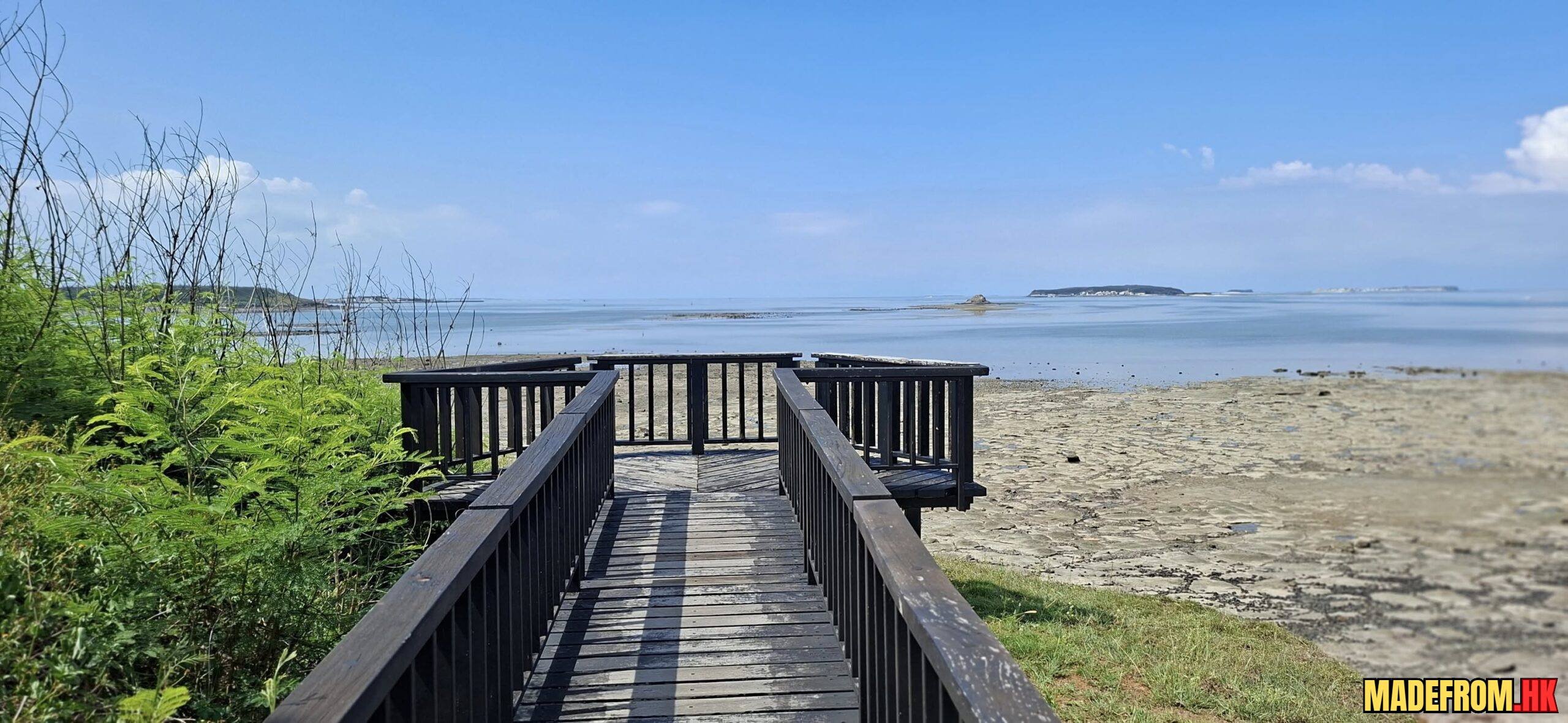
台灣澎湖群島,一直以其迷人的海景和獨特的自然風光聞名。而位於馬公市的中屯,更是澎湖的一顆璀璨明珠,擁有豐富的文化底蘊與自然資源,吸引了眾多旅客前來探索。
Zhongtun, located within the Penghu Islands, offers a peaceful blend of coastal scenery and traditional village life, reflecting the quiet charm of island living.
地理位置與特色
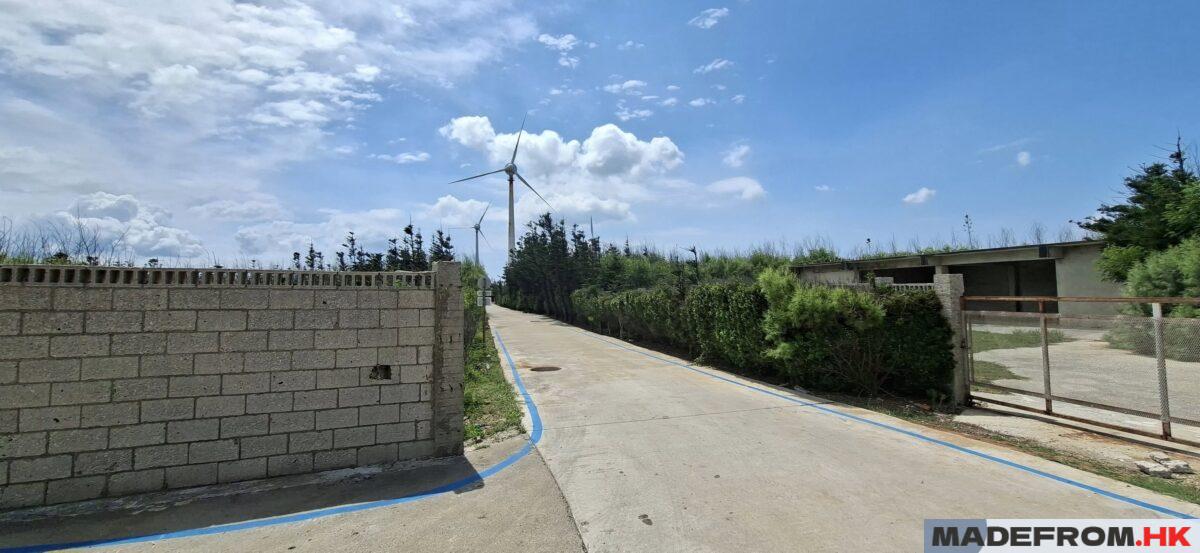
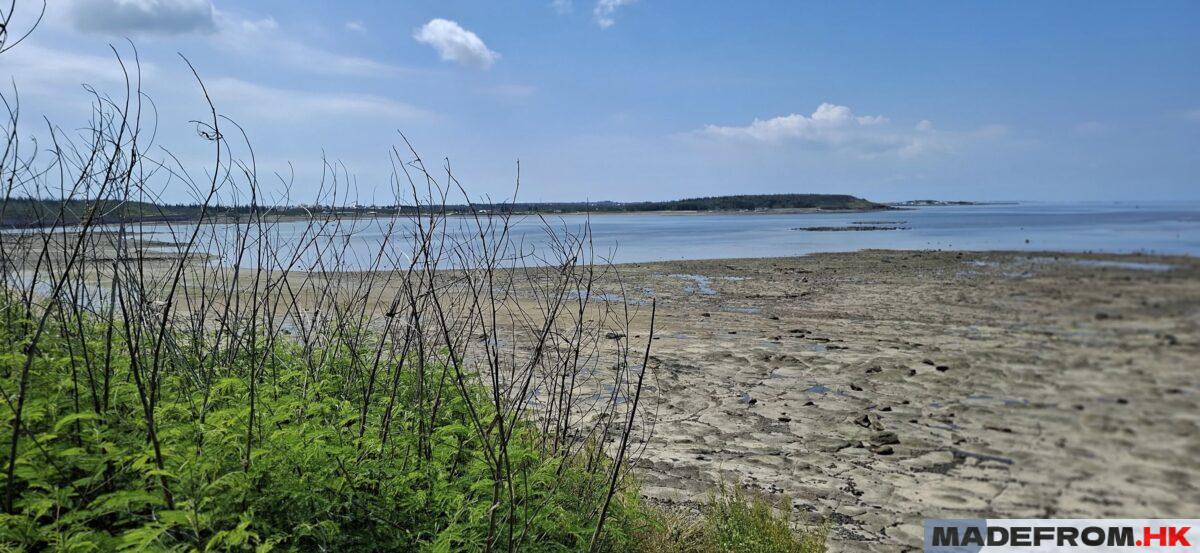
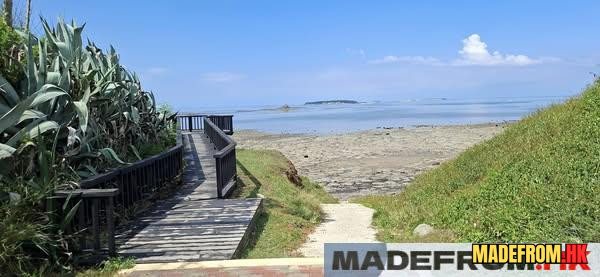
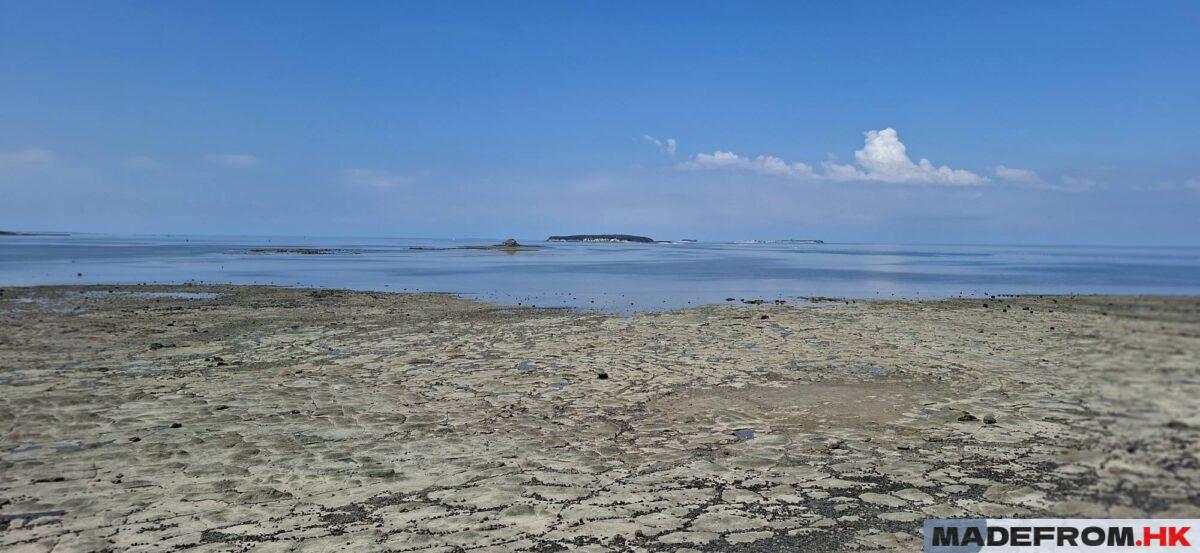
中屯村位於澎湖本島的北部,距離馬公市中心約20分鐘車程。這裡以寧靜的環境和純樸的村落氛圍聞名,是遠離城市喧囂、尋求放鬆的理想地點。中屯擁有豐富的自然景觀,包括壯麗的海岸線、獨特的玄武岩地形以及多樣化的生態環境。
文化與歷史
中屯村的居民世代以漁業為生,村內至今保留著許多傳統漁村的建築和文化遺跡。當地的廟宇和宗教活動展現了澎湖居民深厚的信仰文化,而村內的小巷和石頭屋則讓人感受到濃厚的歷史氣息。
此外,中屯還是澎湖重要的農業區之一,盛產地瓜等特色農產品。這些農產品不僅供應本地市場,更成為遊客喜愛的伴手禮。
旅遊亮點
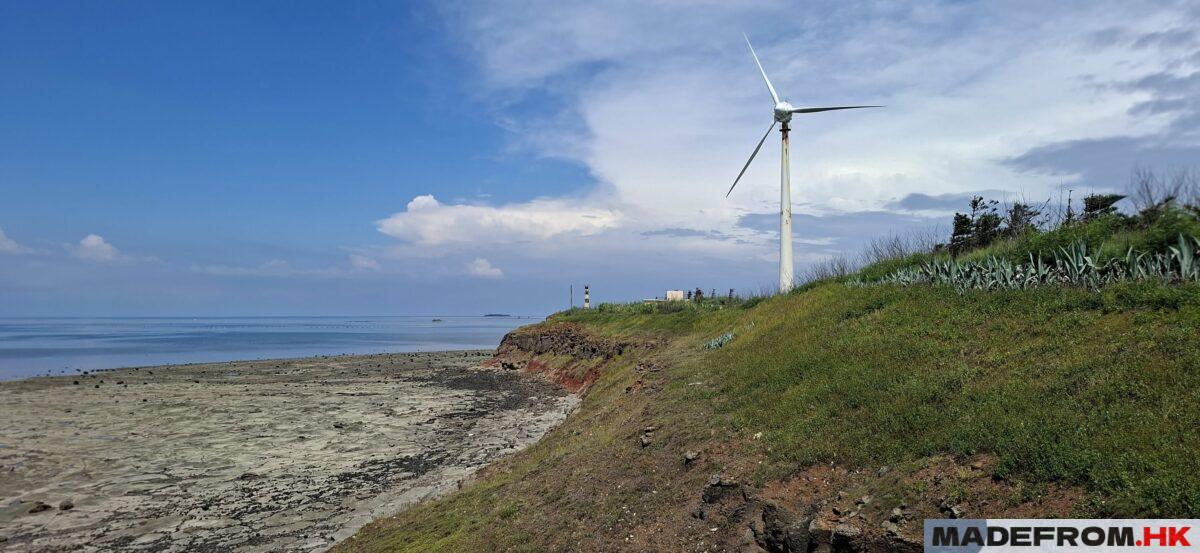
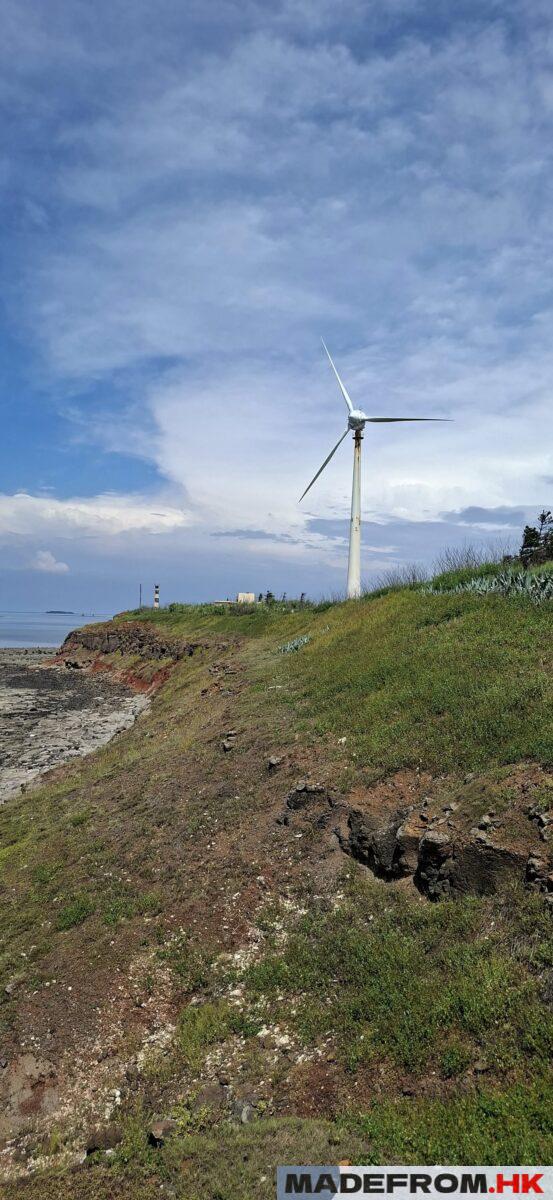
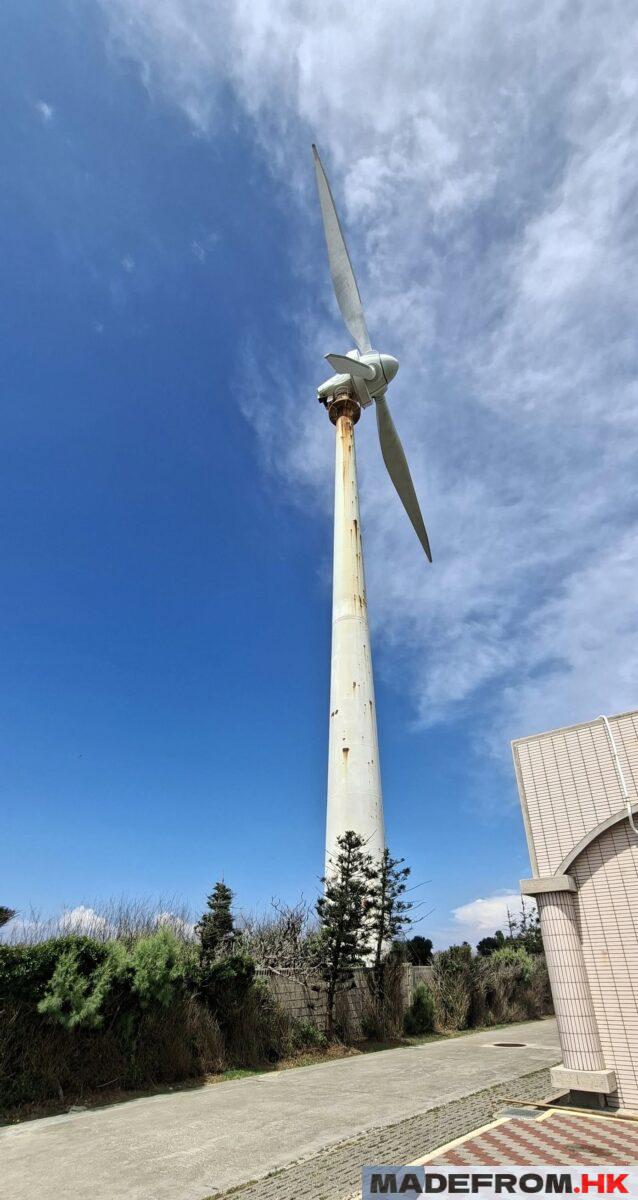
來到中屯,遊客可以參觀著名的「中屯風車」,這些大型風力發電機成為了當地一道獨特的景觀,也象徵著澎湖在可再生能源上的進步。除此之外,中屯附近還有許多適合徒步或騎單車探索的小徑,沿途可以欣賞到澎湖特有的海洋生態與地質景觀。
對於喜歡海上活動的旅客,中屯周邊海域提供了浮潛、釣魚等多樣化的選擇。這裡清澈的海水和豐富的海洋生物,絕對能讓人留下深刻印象。
English Version
Zhongtun is a small yet evocative settlement within the Penghu archipelago, a place where the pace of life is shaped by the sea and the wind. Unlike more prominent tourist destinations, Zhongtun offers a quieter, more introspective experience—one that reveals the subtle beauty of island living through its landscapes, architecture, and daily rhythms.
Situated between larger islands, Zhongtun has long functioned as a connective point within the Penghu region. Its location gives it both strategic and cultural significance, linking communities through shared maritime routes. Historically, the inhabitants of Zhongtun relied heavily on fishing and small-scale agriculture, adapting to the island’s limited resources and seasonal conditions. This adaptability remains a defining characteristic of the area, reflected in both its physical environment and its way of life.
One of the most recognizable features associated with Zhongtun is the Zhongtun Wind Turbine area, where a row of wind turbines stands along the coastline. These structures have become symbolic of the region, representing both the natural strength of the coastal winds and the island’s embrace of renewable energy. The contrast between the sleek, modern turbines and the surrounding traditional village creates a visual dialogue between past and future.
The natural environment of Zhongtun is defined by openness. Expansive skies, low-lying terrain, and uninterrupted views of the sea create a sense of spatial freedom that is rarely found in urban settings. The coastline is shaped by basalt formations, a geological hallmark of Penghu, formed through ancient volcanic activity. These dark, textured rocks add depth and character to the landscape, emphasizing the island’s geological history.
Culturally, Zhongtun reflects the broader identity of Penghu’s island communities. Temples, local traditions, and communal practices form the backbone of social life. Seasonal festivals and rituals often revolve around the sea, highlighting its central role in both livelihood and belief systems. These traditions are not staged for visitors but remain embedded in everyday life, offering an authentic glimpse into the island’s cultural fabric.
The architecture of Zhongtun is modest yet meaningful. Traditional houses, often built with local materials such as coral stone and basalt, are designed to withstand strong coastal winds. Their low profiles and practical layouts reflect an intimate understanding of the environment. Walking through the village, one can observe how these structures blend seamlessly with the landscape, creating a harmonious relationship between human habitation and nature.
Zhongtun’s appeal lies not in spectacle but in atmosphere. It is a place where visitors can experience stillness, where the sound of waves and wind replaces the noise of traffic and crowds. This sensory shift encourages a different kind of engagement—one that values observation, reflection, and connection. Photographers and travelers seeking quieter destinations often find Zhongtun particularly compelling for this reason.
At the same time, the area faces challenges common to many small island communities, including population decline and economic change. Younger generations often move to larger cities, leaving behind an aging population and raising questions about the sustainability of traditional ways of life. Efforts to promote responsible tourism and cultural preservation aim to address these challenges while maintaining the integrity of the community.
Zhongtun is also a reminder of the importance of scale. In a world increasingly defined by rapid movement and large-scale development, it offers an alternative perspective—one where life unfolds at a slower pace and where small details carry significance. The interplay of wind, sea, and human presence creates a landscape that is both simple and profound.
Ultimately, Zhongtun embodies the quiet strength of island life. It is a place where nature and culture are deeply intertwined, where history is felt rather than displayed, and where the beauty of the environment is matched by the resilience of its people.
總結
中屯展現澎湖群島的自然風貌與漁村文化,以寧靜景致與純樸生活呈現海島聚落的獨特魅力。
Zhongtun captures the essence of island life in Penghu, offering a serene landscape shaped by nature, tradition, and the enduring rhythms of the sea.