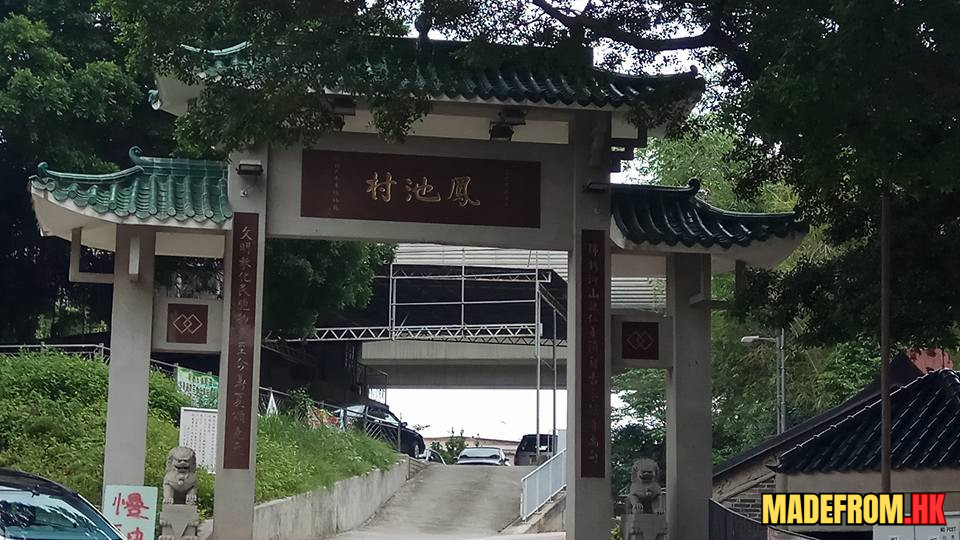
鳳池村天后宮建於清朝康熙年間,是香港新界地區歷史悠久的宗教建築之一。這座古廟不僅供奉海上守護神天后,更承載著漁民與村落居民的信仰與生活記憶,見證地方社會從傳統農漁文化走向現代的變遷。
Built during the Kangxi era of the Qing Dynasty, the Tin Hau Temple in Fung Chi Tsuen stands as one of the older religious structures in Hong Kong’s New Territories. Dedicated to the sea goddess Tin Hau, the temple reflects the beliefs and daily lives of fishing and farming communities while preserving layers of local history and cultural identity.
中文版本
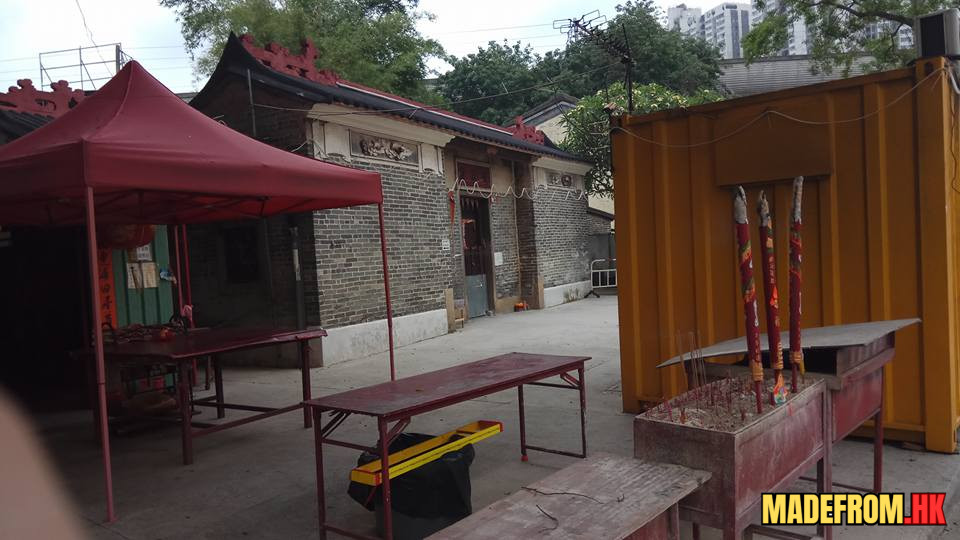
鳳池村天后宮始建於清朝康熙年間,歷經歲月洗禮與多次修繕,至光緒三十四年曾進行重要重建,反映出村民對天后信仰的持續重視,天后作為守護海上平安的神祇,在沿海與水域發展密切的地區具有重要地位,鳳池村一帶早年依賴漁業與農耕維生,天后宮成為村落精神中心,不僅是宗教祭祀場所,也是社區凝聚的重要空間,建築風格承襲嶺南傳統廟宇特色,佈局講究中軸對稱,入口設有牌坊式門面,屋頂採用雙坡或硬山頂設計,覆以灰瓦,並配有裝飾性脊飾,常見陶塑與剪瓷雕元素,內容多為吉祥圖案與歷史故事,象徵祈福與守護,廟內空間分為前殿與正殿,供奉天后神像,香火長年不斷,木構件與樑柱上可見精細雕刻,展示傳統工藝水平,隨著時間推移,鳳池村天后宮逐漸由純粹宗教用途轉變為兼具文化與歷史價值的建築,其存在見證了地方社會的演變與宗教信仰的延續,在現代城市發展的背景下,這類古廟顯得格外珍貴,因為它們保存了傳統生活方式與文化習俗,廟宇周邊環境通常保持較為自然與寧靜,與高密度城市形成對比,使人得以在其中感受歷史的沉澱與文化的延續,鳳池村天后宮不僅是宗教建築,更是一種文化象徵,代表著人與自然之間的關係,以及社群在歷史長河中的共同記憶,透過建築細節與空間佈局,可以窺見清代以來的建築技術與審美觀,亦反映出香港多元文化背景中的傳統一面。
English Version
The Tin Hau Temple in Fung Chi Tsuen dates back to the Kangxi period of the Qing Dynasty and underwent significant rebuilding during the 34th year of the Guangxu reign, demonstrating the enduring importance of Tin Hau worship within the community, as a deity associated with protection at sea Tin Hau held particular significance in coastal and water-dependent regions, where fishing and agriculture once formed the backbone of local livelihoods, the temple served as both a spiritual sanctuary and a focal point for community life, architecturally it follows the principles of traditional Lingnan temple design with a symmetrical layout aligned along a central axis, the entrance is marked by a structured façade while the roof typically features pitched forms with grey tiles and decorative ridge elements, intricate ceramic figurines and ornamental details often depict auspicious symbols and historical narratives, reinforcing cultural values and beliefs, inside the temple spaces are organised into front and main halls where the statue of Tin Hau is enshrined, wooden beams and structural elements display fine craftsmanship and carving techniques that highlight traditional building skills, over time the temple has evolved from a purely religious site into a cultural and historical landmark, preserving the identity of the village and reflecting broader patterns of social change, in contrast to the surrounding modern urban environment the temple offers a sense of continuity and calm, allowing visitors to connect with the past, it stands not only as a place of worship but also as a symbol of collective memory, illustrating how architecture can embody both spiritual meaning and historical depth, through its design and enduring presence the temple reveals insights into Qing Dynasty construction practices and the lasting influence of traditional Chinese culture in Hong Kong.
總結(中文)
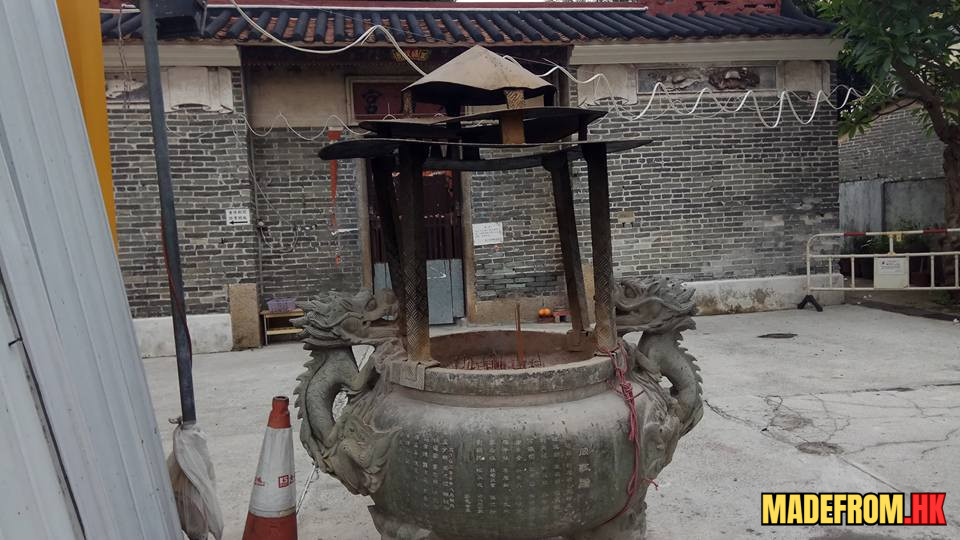
鳳池村天后宮融合宗教信仰與歷史文化,是香港鄉村社會與傳統建築的重要見證。
Summary (English)
The temple stands as a powerful symbol of faith, heritage, and the enduring cultural identity of Hong Kong’s rural communities.