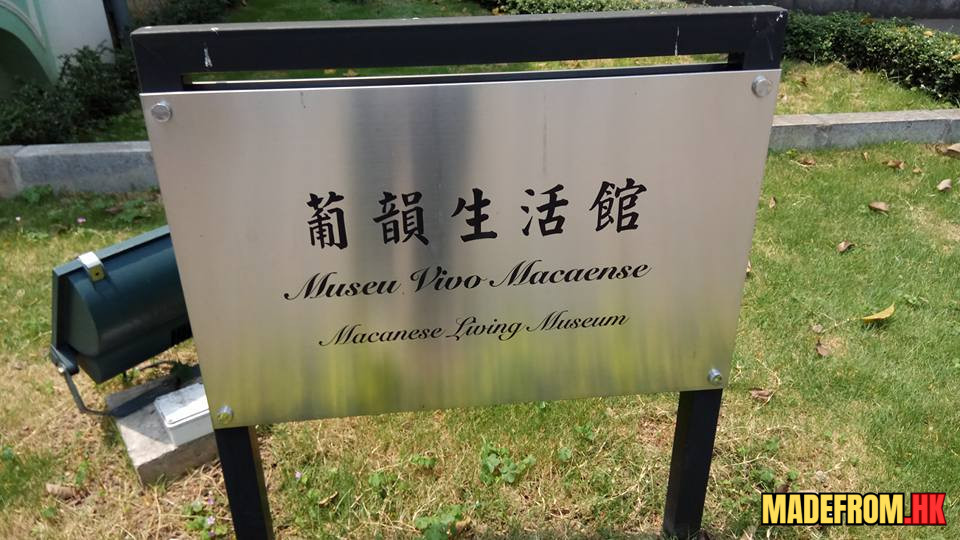
龍環葡韻住宅式博物館,澳門氹仔文化景點|Taipa Houses Museum Macau, Portuguese heritage houses

在澳門氹仔的海邊,一排淡綠色建築靜靜佇立,彷彿將時間凝結於舊日歲月。龍環葡韻住宅式博物館不僅是一組歷史建築,更是一段關於生活、文化與身份的記憶載體。走進其中,能感受到葡式風情與本土文化交織的細膩氛圍,讓人重新認識澳門的另一種深度。
Along the waterfront of Taipa, a row of soft green houses stands as a quiet reminder of Macau’s layered past. The Taipa Houses Museum is more than a collection of restored buildings—it is a living reflection of lifestyle, identity, and cultural blending. Stepping inside reveals a world where Portuguese elegance meets local tradition, offering a deeper understanding of Macau beyond its modern image.
中文
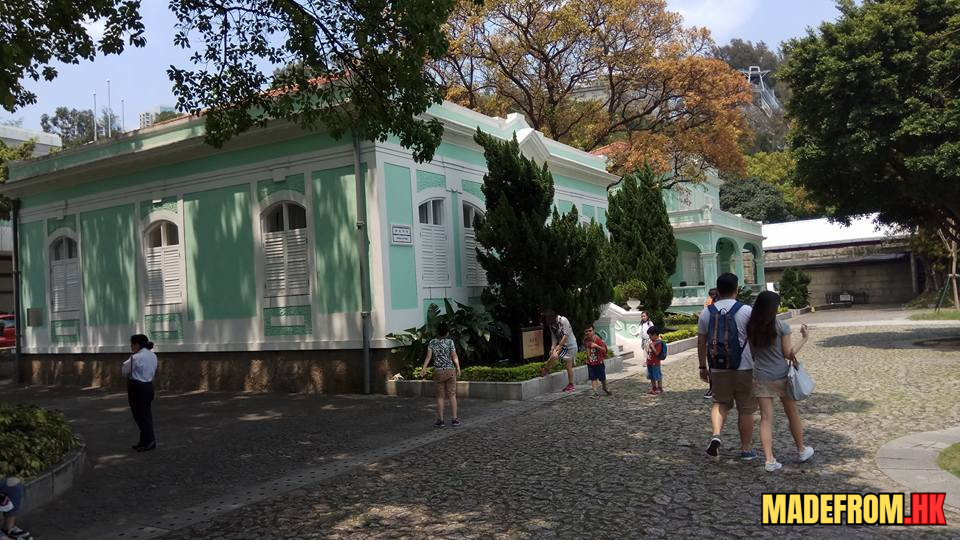
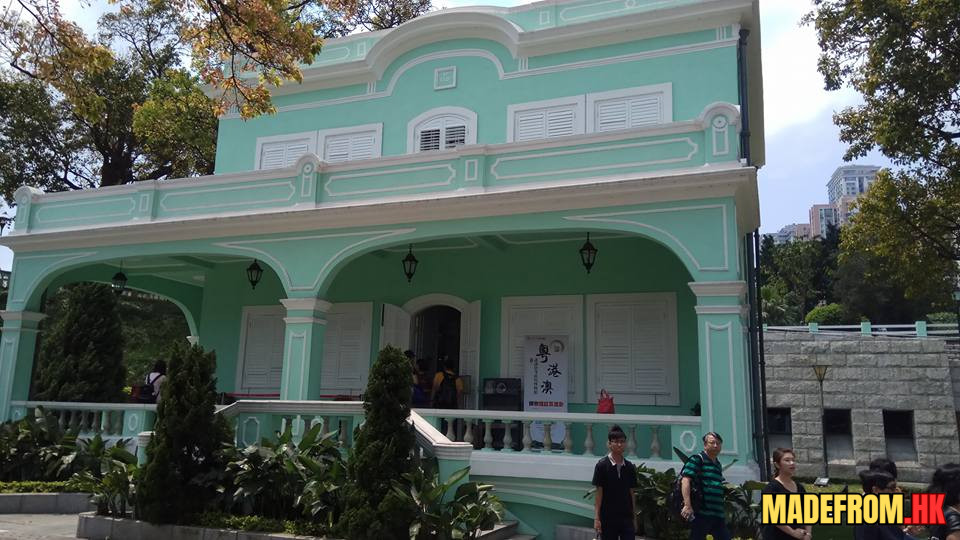
龍環葡韻住宅式博物館位於氹仔海邊馬路,是澳門最具代表性的文化地標之一。這五幢建於二十世紀初的葡式住宅,原為高級官員與土生葡人家庭的住所。經過修復與活化後,這些建築被轉化為展示澳門歷史與生活文化的重要場館,讓昔日的生活場景得以重現。
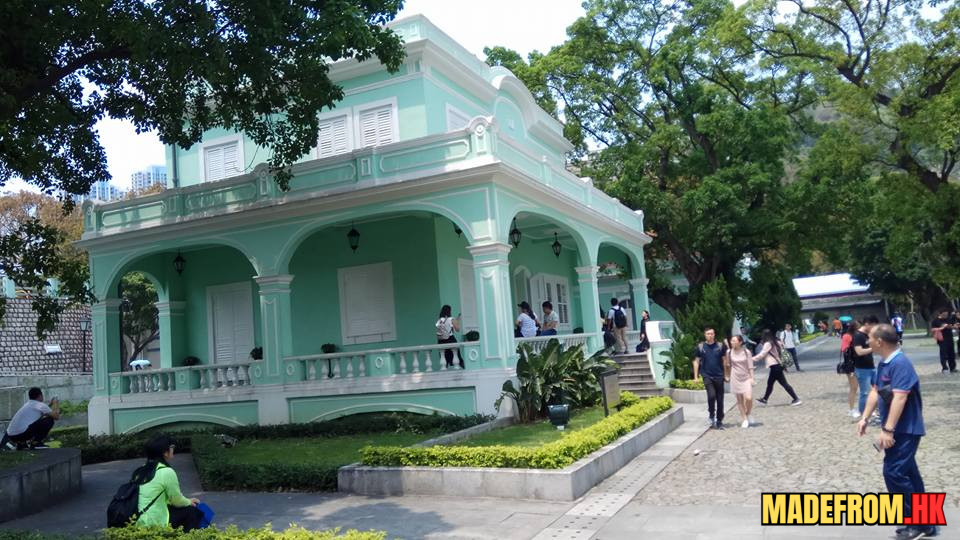
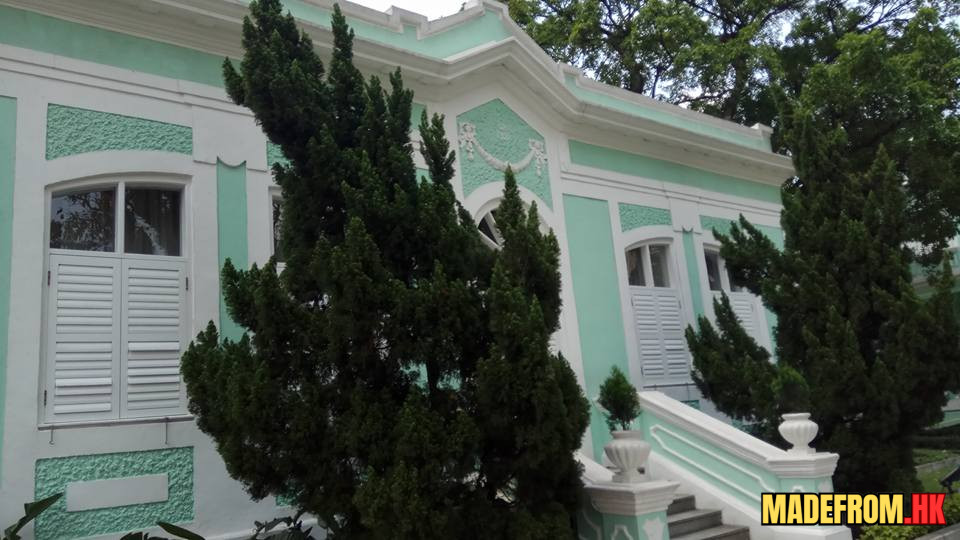
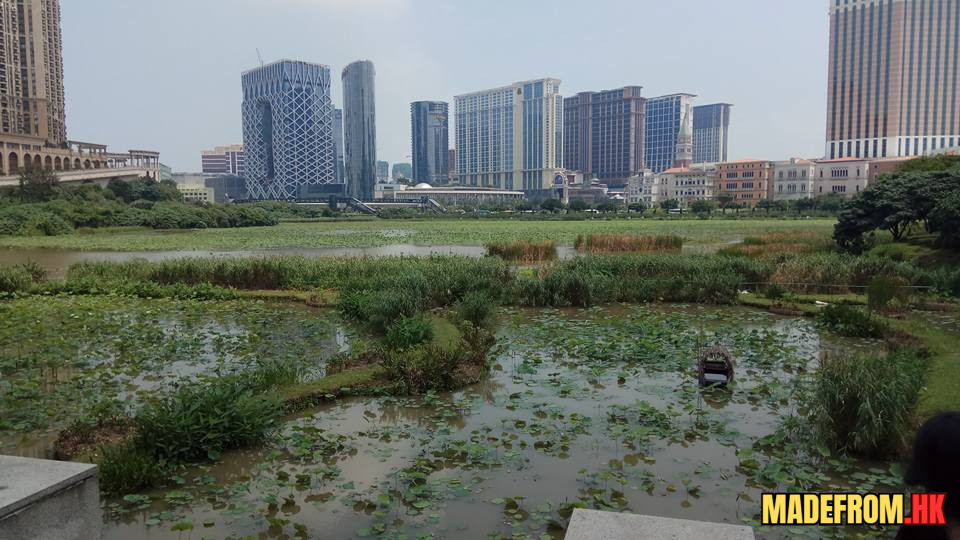
建築外觀以柔和的薄荷綠為主色,搭配白色線條與拱形窗戶,展現出典雅而清新的視覺風格。整齊排列的房屋面向濕地與海景,環境開闊而寧靜,使整個區域充滿悠閒氛圍。這種設計不僅反映出當時的生活品味,也體現了對自然環境的重視。
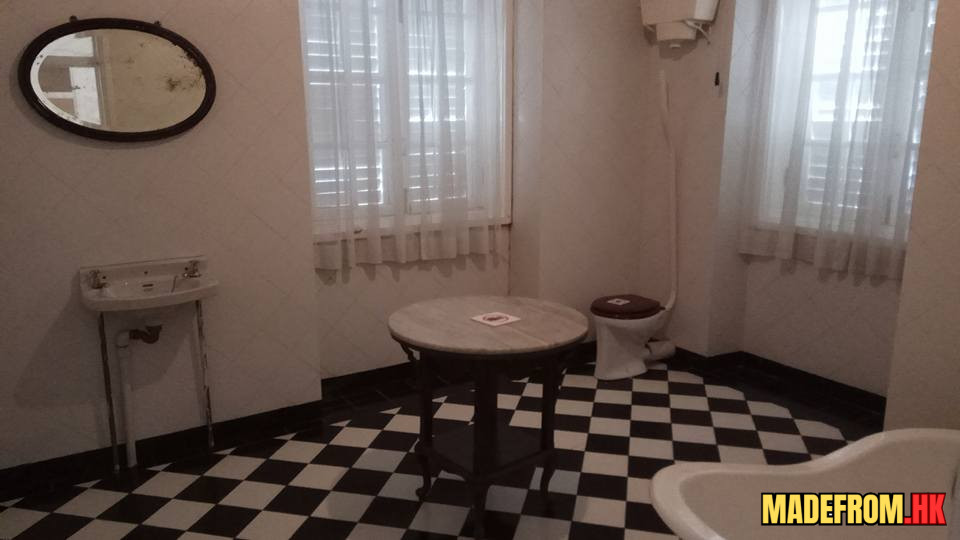
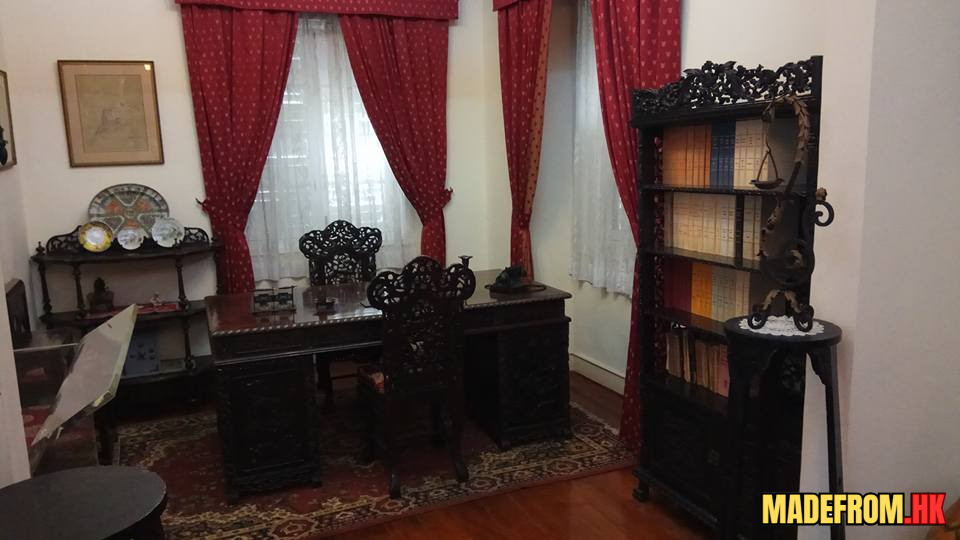
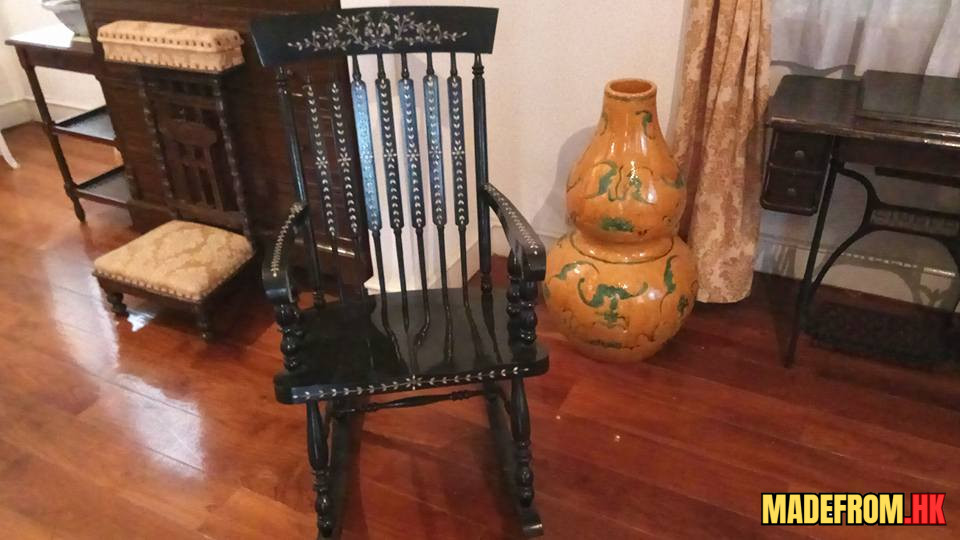
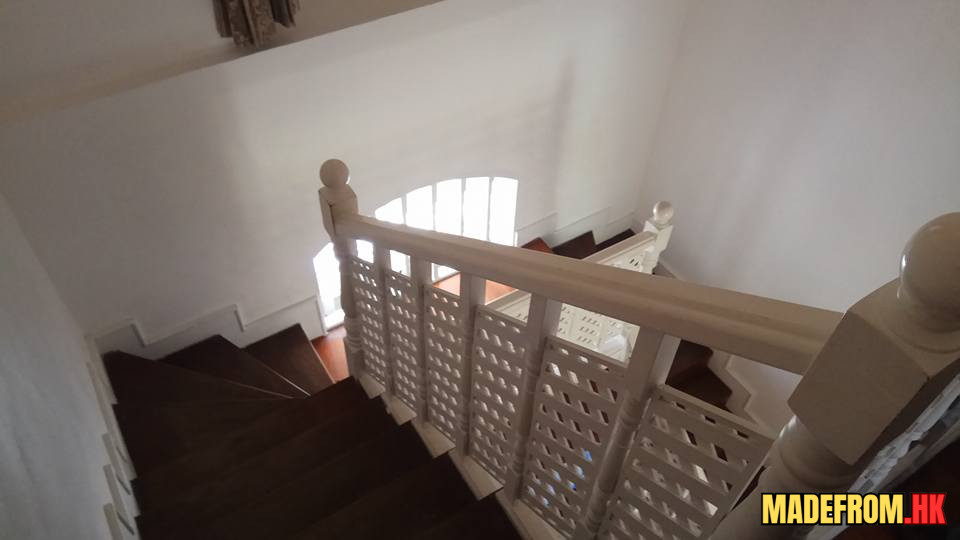
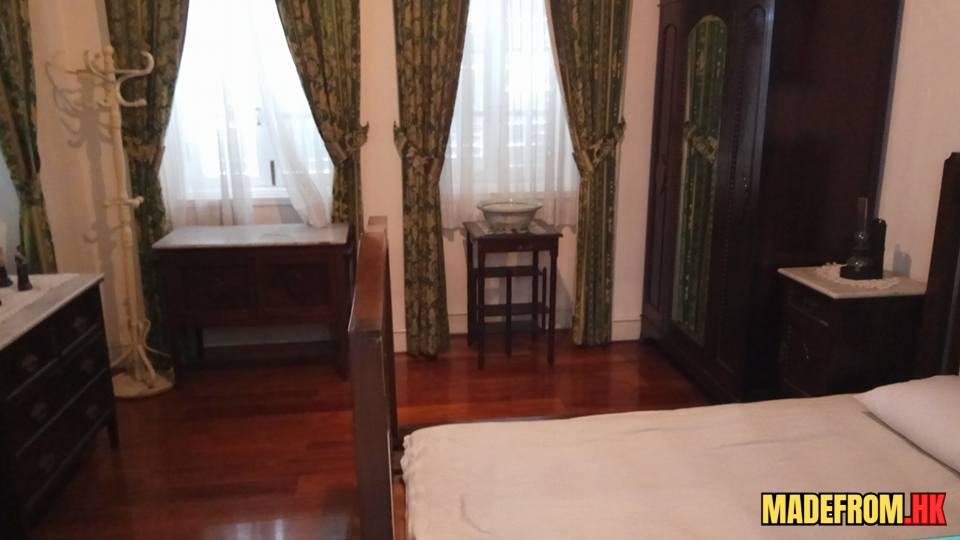
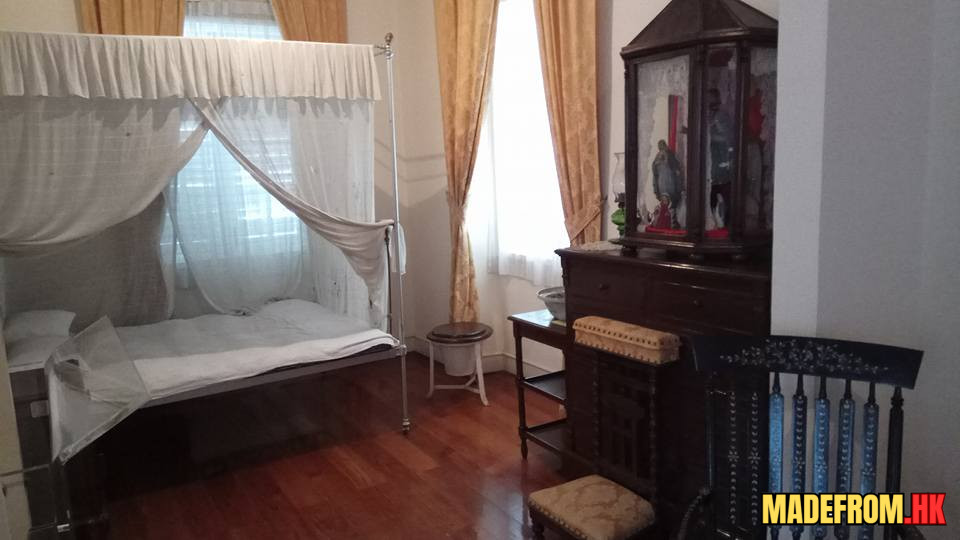
進入室內,展覽以生活場景為主軸,重現過去家庭的日常。客廳、書房、餐廳與臥室的佈置細緻而真實,從家具選擇到裝飾細節,都呈現出中西融合的特色。木製家具、瓷器擺設與布藝裝飾,共同構築出一種溫暖而優雅的居家氛圍。
其中一個重要展區聚焦於土生葡人的文化與生活方式。這個族群融合了葡萄牙與亞洲文化,其飲食、語言與習俗都具有獨特性。透過照片、文物與歷史資料,可以看到這種文化如何在澳門發展並延續,成為城市文化的重要組成部分。
博物館的另一個特色在於其戶外空間。周圍的花園與濕地景觀相互融合,形成一個自然與人文並存的環境。步道蜿蜒,綠意盎然,讓人可以在參觀之餘,享受片刻的寧靜與放鬆。這樣的空間設計,使博物館不僅是展示場所,也是休閒與文化體驗的結合。
龍環葡韻的魅力在於細節與氛圍。它不以宏大敘事為主,而是透過日常生活的片段,讓人理解歷史如何存在於細微之中。每一個空間、每一件物品,都承載著過去的故事,使參觀過程成為一場與時間對話的旅程。
對於旅客而言,這裡是一個能夠放慢節奏的地方。與繁忙的娛樂區形成鮮明對比,博物館提供了一種沉靜而深度的體驗。無論是文化愛好者還是一般遊客,都能在此找到屬於自己的感受與啟發。
在城市快速變遷的背景下,龍環葡韻住宅式博物館的存在具有重要意義。它不僅保存了建築本身,也保留了生活方式與文化記憶。這種保存,使澳門在現代化之餘,仍然能夠與過去保持連結,展現出獨特的城市魅力。
English Version
The Taipa Houses Museum offers one of the most evocative glimpses into Macau’s past. Located along the Taipa waterfront, this row of early twentieth-century residences once housed Portuguese officials and Macanese families. Today, they have been carefully restored to present a cultural narrative rooted in everyday life.
The pastel green façades immediately stand out, creating a sense of calm and visual harmony. White trims, arched windows, and symmetrical layouts reflect a refined architectural style influenced by Portuguese design. Facing wetlands and open skies, the setting enhances the sense of tranquility that defines the area.
Inside, the museum shifts from architecture to lived experience. Each room is arranged to reflect a specific aspect of domestic life, from social gatherings in the living room to quiet routines in private quarters. The interiors combine European furniture with local elements, illustrating how cultures merged in subtle and meaningful ways.
A key feature of the museum is its focus on the Macanese community. This cultural group developed a unique identity through centuries of interaction between Portuguese settlers and Asian populations. Through photographs, artifacts, and narrative displays, visitors gain insight into how traditions were shaped, adapted, and preserved.
The outdoor environment adds depth to the visit. Gardens and nearby wetlands create a seamless transition between built space and nature. Walking paths invite exploration, offering moments of stillness that complement the historical experience. It’s a place where visitors can pause, reflect, and connect with the surroundings.
What distinguishes the museum is its emphasis on atmosphere rather than spectacle. Instead of presenting history through grand narratives, it highlights the quiet details of daily life. These small moments—captured in furniture, objects, and spaces—form a rich and relatable story.
For travelers, the museum provides a different perspective on Macau. It encourages a slower pace and a more thoughtful engagement with culture. Rather than being overwhelmed by activity, visitors are invited to observe, imagine, and interpret.
In a rapidly changing city, preserving places like the Taipa Houses Museum is essential. It safeguards not only physical structures but also the intangible heritage embedded within them. By maintaining this connection to the past, Macau continues to express a cultural identity that is both layered and enduring.
總結
龍環葡韻住宅式博物館以生活細節呈現歷史,展現澳門文化融合之美,是一處兼具寧靜與深度的文化空間。
Conclusion
The Taipa Houses Museum captures Macau’s cultural blend through intimate details of daily life, offering a शांत yet meaningful heritage experience.