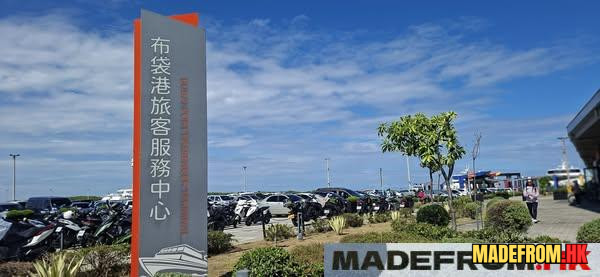
台灣擁有眾多迷人的港口,其中位於嘉義縣的布袋港是一個值得深入了解的地方。作為台灣西南部的重要漁港,布袋港不僅承載著漁業的繁榮,亦是當地文化和旅遊的核心之一。
Budai Harbor, located along Chiayi’s coast, blends fishing traditions, tourism, and coastal culture, offering a vivid glimpse into Taiwan’s southwestern maritime life.
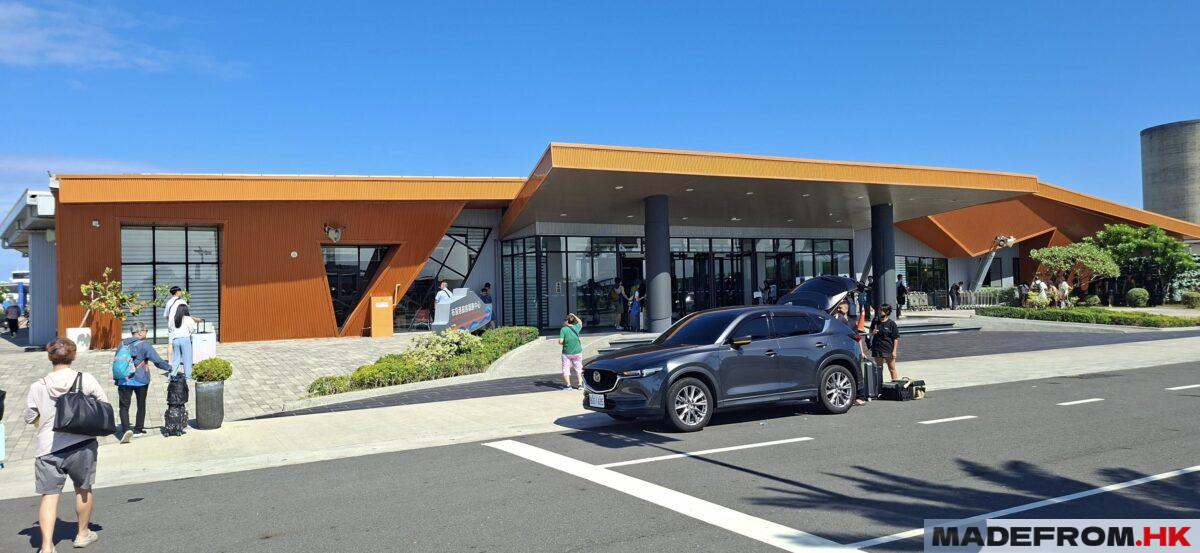

布袋港的地理位置優越,面向台灣海峽,為漁業活動提供了得天獨厚的條件。這裡的漁民長期以來依靠捕撈海鮮維生,港口因此成為台灣海鮮供應的重要來源之一。到訪布袋港,您可以看到整齊排列的漁船以及忙碌的漁市,那些新鮮的魚蝦蟹往往是當地餐桌上的佳餚。
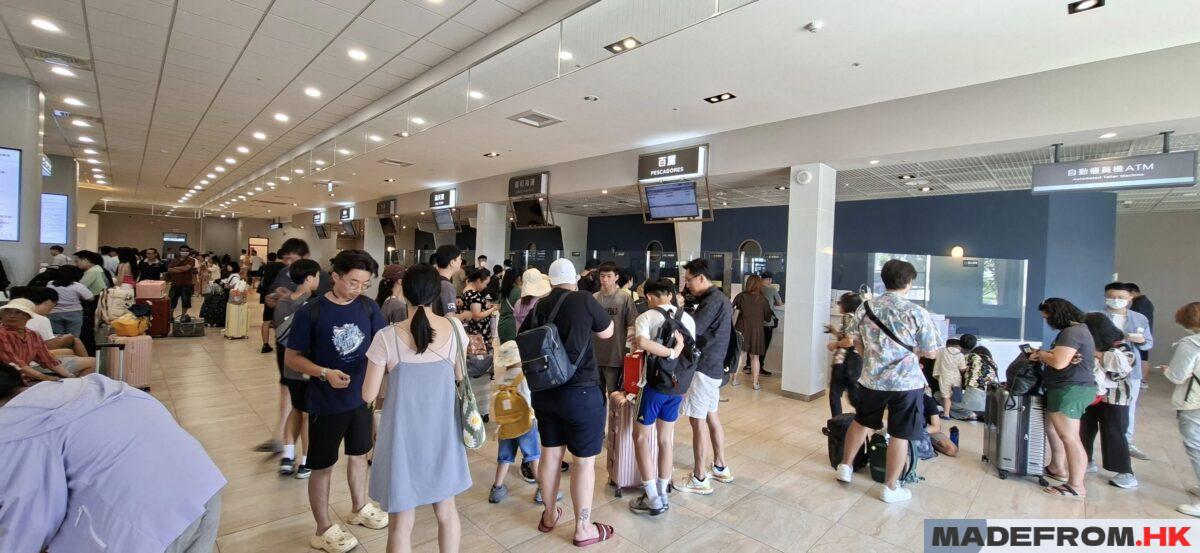

除了漁業,布袋港亦是旅遊熱點。港口附近有著名的布袋鹽田,這片鹽田不僅是製鹽工業的象徵,更成為攝影愛好者的熱門景點。夕陽西下時,鹽田的倒影令人陶醉,吸引了不少遊客前來拍照留念。此外,附近的高跟鞋教堂也是一個獨特的建築景觀,充滿浪漫氣息。

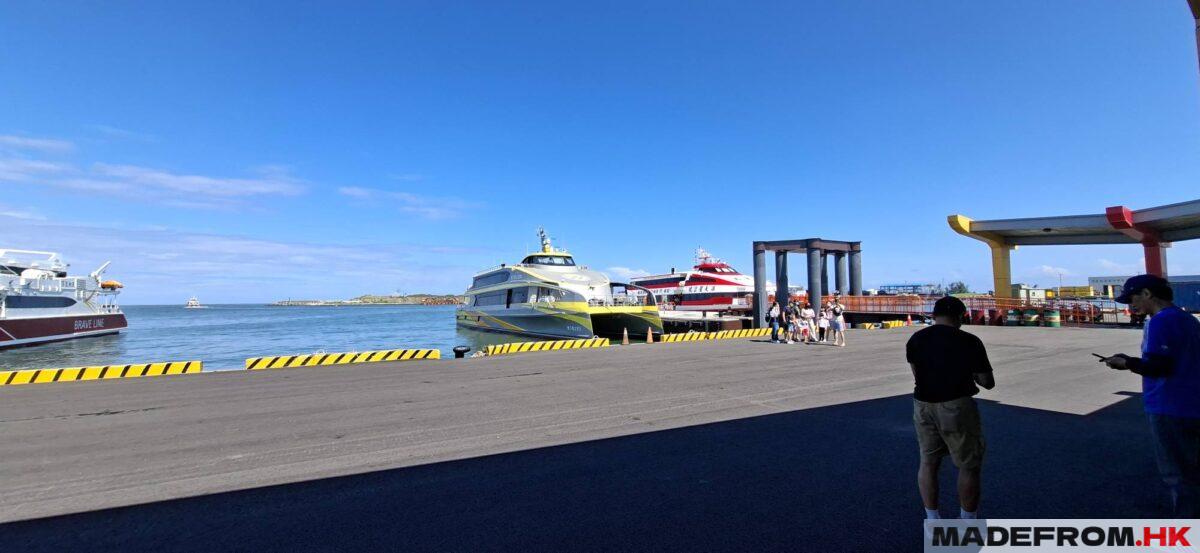
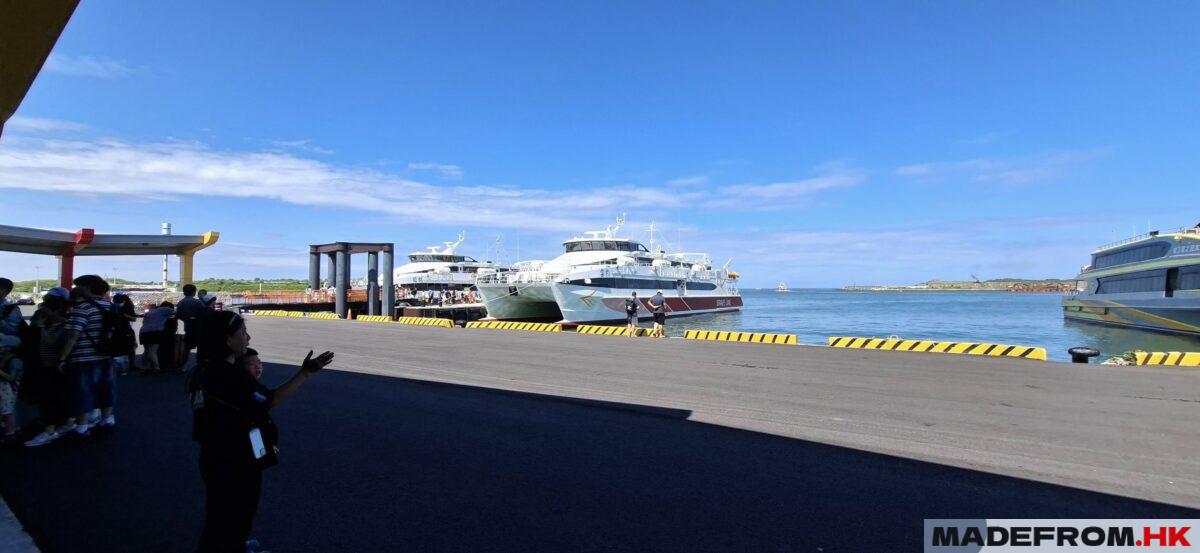
布袋港的交通便利,從嘉義市出發僅需約一小時車程即可抵達。隨著政府對布袋港的開發及基礎設施的改善,該地區逐漸成為一個結合漁業、旅遊和文化的多元化地區。
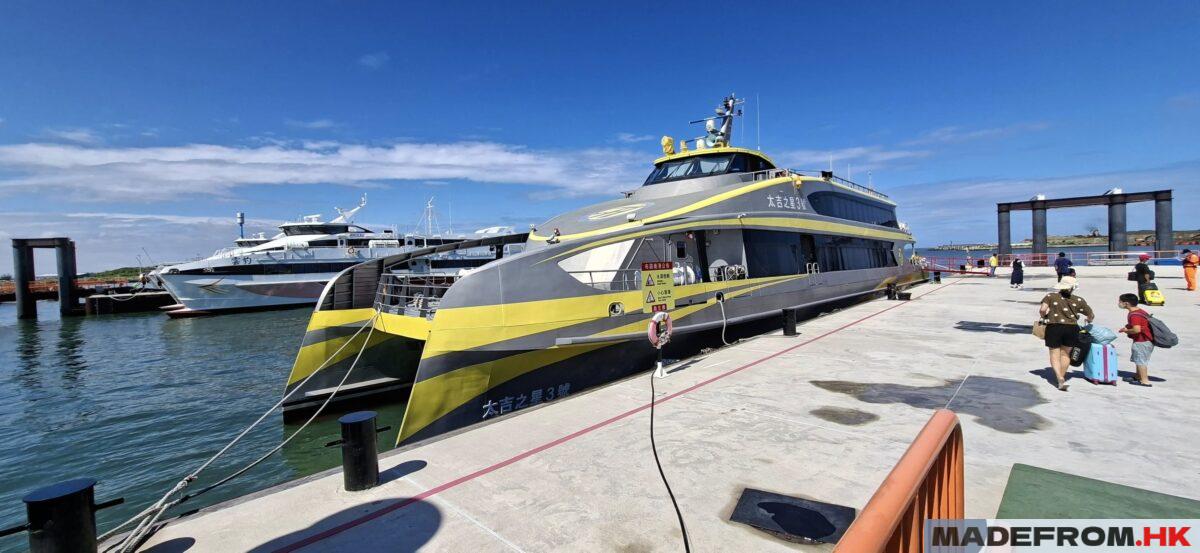
總括而言,布袋港不僅是一個海洋資源的寶庫,更是一個展現台灣本土風情和自然美景的地方。無論您是對漁業感興趣,還是想尋找一個悠閒的旅遊目的地,布袋港都能滿足您的期待。下一次計劃台灣之旅時,不妨將布袋港列入您的行程表中,感受這片港口的獨特魅力。
English Version
Budai Harbor is a coastal destination where the rhythms of the sea shape both landscape and daily life. Situated in Chiayi County along Taiwan’s southwestern shoreline, the harbor has long served as an important center for fishing, maritime trade, and regional connection. Today, it stands as a place where tradition and transformation coexist, offering visitors an experience that is deeply rooted in local culture while open to new forms of engagement.
Historically, Budai Harbor developed as a natural fishing port, benefiting from its strategic location along the Taiwan Strait. The surrounding waters provided abundant marine resources, supporting generations of fishermen who built their livelihoods around the cycles of tides and seasons. Over time, the harbor became a focal point for the local economy, with fishing fleets, markets, and related industries forming a tightly interconnected system.
The character of Budai Harbor is defined by its authenticity. Unlike heavily urbanized ports, it retains a sense of openness and simplicity. Fishing boats line the docks, their colors reflecting both function and identity, while nets, crates, and equipment hint at the ongoing labor that sustains the community. The presence of the sea is constant—not only as a physical environment but as a cultural force that shapes habits, traditions, and perspectives.
In recent years, Budai Harbor has expanded its role to include tourism, creating a balance between economic sustainability and cultural preservation. The nearby fish market has become a popular attraction, where visitors can observe the trade of fresh seafood and experience local culinary traditions firsthand. Restaurants and food stalls offer dishes that highlight the freshness and diversity of the region’s marine produce, turning the harbor into a destination for both sight and taste.
One of the most notable features of the area is its connection to the broader coastal ecosystem. The nearby wetlands and tidal flats support a variety of bird species and marine life, adding ecological significance to the harbor’s surroundings. This relationship between human activity and natural environment is central to understanding Budai’s identity—it is not a place where nature is separate from life, but one where the two are deeply intertwined.
The harbor also serves as a gateway to offshore islands, including routes to Penghu. This function reinforces its role as a point of transition, where journeys begin and end, and where connections extend beyond the mainland. The movement of people and goods through the harbor contributes to its dynamic atmosphere, blending the routines of local life with the curiosity of travelers.
Culturally, Budai Harbor reflects the resilience and adaptability of coastal communities. Fishing traditions have been passed down through generations, yet they continue to evolve in response to environmental and economic changes. Festivals, rituals, and local customs often center around the sea, reinforcing a shared identity that is both practical and symbolic.
The visual landscape of Budai Harbor is shaped by light, water, and movement. Sunrises and sunsets cast shifting colors across the docks, while the gentle motion of boats and waves creates a sense of calm continuity. This interplay of elements gives the harbor a contemplative quality, inviting visitors to slow down and observe the details of everyday life.
As with many coastal areas, Budai faces challenges related to sustainability, including environmental protection and the preservation of traditional industries. Efforts to promote responsible tourism and ecological awareness are essential in maintaining the balance between development and conservation. These initiatives highlight the importance of safeguarding both cultural heritage and natural resources.
Ultimately, Budai Harbor is a place defined by connection—between land and sea, past and present, work and reflection. It offers a perspective on Taiwan that is grounded in everyday experience, where the beauty of the coast is inseparable from the lives of those who inhabit it.
總結
布袋港融合漁業文化與海岸景觀,呈現台灣西南沿海的生活樣貌,在傳統與轉型之間展現獨特的人文與自然魅力。
Budai Harbor captures the essence of coastal Taiwan, where fishing heritage and natural landscapes combine to create a place of quiet beauty and enduring cultural identity.