
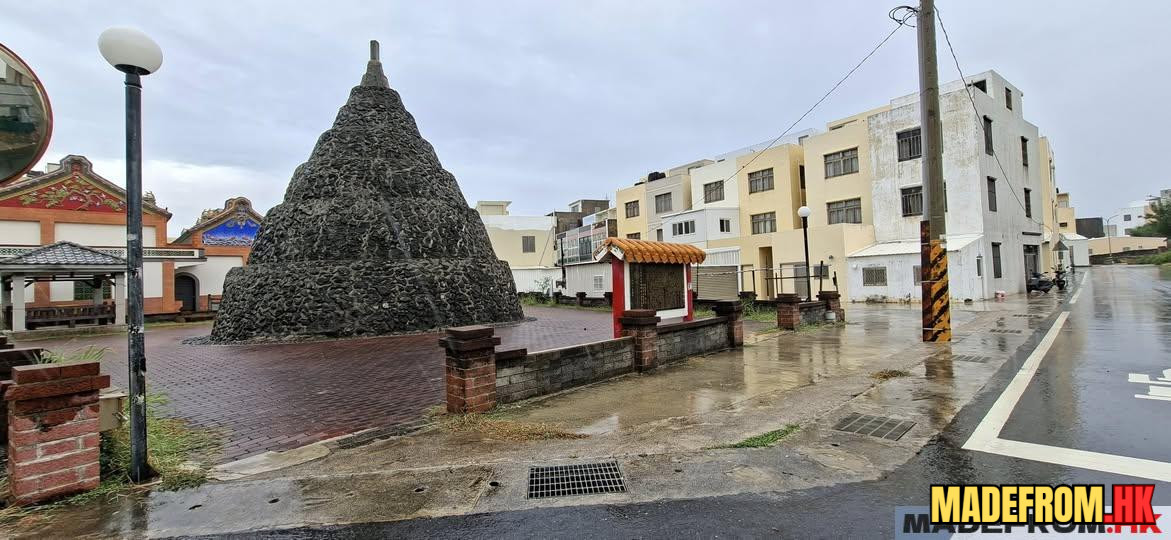
澎湖馬公子午塔:古蹟與天文交會的文化地標 | Ziwuta Tower in Magong: Where History Meets Astronomy

澎湖馬公子午塔結合歷史遺跡與天文象徵,是極具特色的文化景點。這座建築不僅展現古代智慧,也反映人們對時間與宇宙的理解。
Ziwuta Tower in Magong, Penghu, stands as a unique landmark that merges historical heritage with astronomical meaning. It reflects both ancient knowledge and humanity’s enduring fascination with time and the cosmos.
台灣澎湖群島一直以其迷人的自然景觀和豐富的歷史文化吸引著遊客,而位於馬公市的子午塔更是其中一個不可錯過的地標。子午塔不僅是一座歷史建築,亦是天文測量的重要遺跡,融合了文化與科學的價值。
子午塔的歷史背景
子午塔建於清朝時期,主要用途是作為天文測量的基準點。當時,子午線的準確測定對於地圖繪製和航海具有重要意義,而澎湖地理位置的獨特性使得這座塔成為清政府的一個關鍵設施。塔身以石材建造,設計簡潔大方,充分體現了古代建築的實用性與美感。
天文與地理的重要性
子午塔的命名源自其與子午線的關聯。子午線是地球上經線的一部分,用於劃分東西半球。子午塔的建立標誌著當時科技與天文知識的進步,也反映了當時政府對海洋航行及領土測繪的重視。今天,子午塔雖不再作為測量工具,但它仍然是研究台灣天文歷史的重要見證。
旅遊與文化價值
作為澎湖的重要古蹟之一,子午塔吸引了眾多旅客前來探索。除了感受其歷史氛圍,遊客還可以在周邊欣賞澎湖的自然美景,並深入了解當地文化。子午塔附近的解說牌提供詳細的背景資料,讓人能更清楚認識這座塔的重要性。
English Version
Ziwuta Tower, located in Magong, Penghu, represents a fascinating intersection of cultural heritage and astronomical awareness. Unlike many traditional landmarks that focus solely on religious or defensive functions, this structure embodies a deeper intellectual dimension—one that connects human observation with the vastness of the universe.
The concept behind the tower is rooted in the idea of the meridian, an imaginary line used to define position and measure time. Historically, such concepts were essential for navigation, calendar systems, and the understanding of celestial movement. In a maritime region like Penghu, where navigation played a vital role in survival and trade, this connection between land and sky carried practical as well as symbolic importance.
Architecturally, Ziwuta Tower presents a simple yet meaningful design. Its form is not overly elaborate, but it carries a sense of purpose that aligns with its conceptual foundation. The structure stands as a marker—both physically and metaphorically—representing the relationship between direction, time, and space.
Penghu’s historical context enhances the significance of the tower. As an archipelago situated along key maritime routes, the region has long relied on knowledge of the stars and navigation techniques. While modern technology has transformed these practices, landmarks like Ziwuta Tower serve as reminders of earlier methods of understanding the world.
The surrounding environment contributes to the experience of visiting the site. Open skies and minimal light pollution make the area particularly suitable for observing celestial phenomena. This natural setting reinforces the tower’s connection to astronomy, allowing visitors to appreciate not just the structure itself, but also the broader context in which it exists.
Culturally, Ziwuta Tower reflects a human desire to find order and meaning in the universe. It represents an attempt to align daily life with cosmic patterns, bridging the gap between the tangible and the abstract. This philosophical aspect adds depth to the site, making it more than just a physical landmark.
For modern visitors, the tower offers a quiet and reflective experience. It invites contemplation about time, direction, and humanity’s place within a larger system. Unlike more visually dramatic attractions, its appeal lies in its subtlety and intellectual resonance.
As Penghu continues to evolve as a travel destination, Ziwuta Tower remains a distinctive point of interest. It provides an alternative perspective on the island—one that emphasizes knowledge, observation, and cultural continuity rather than spectacle alone.
Ultimately, Ziwuta Tower stands as a symbol of connection—linking past and present, earth and sky, science and culture. It encourages visitors to look beyond the immediate and consider the broader patterns that shape both the natural world and human experience.
總結
子午塔結合歷史與天文意義,展現澎湖獨特的文化視角。它不僅是地標,更是一種對時間與宇宙的思考。
Ziwuta Tower blends history with astronomy, offering a unique cultural perspective and inviting reflection on time, space, and human understanding.