古龍以獨特風格改寫武俠小說傳統,結合現代感與哲學思考,塑造出孤獨、浪漫且充滿人性的江湖世界。
Gu Long redefined wuxia fiction with a modern, philosophical style, creating a world of lonely heroes, romance, and human complexity.
中文
古龍是華語武俠小說史上最具革新精神的作家之一,他的創作打破了傳統武俠小說以歷史背景與正邪對立為核心的敘事模式,轉而強調人物內心世界與存在狀態,使武俠從單純的江湖恩怨提升為對人生與人性的探討,他的作品風格鮮明,以簡潔甚至近乎斷裂的句式構成節奏,營造出強烈的戲劇感與閱讀張力,這種寫作方式讓讀者在閱讀過程中產生一種跳躍與停頓交錯的感受,與傳統武俠的流暢敘事形成對比,他筆下的主角多為孤獨而矛盾的人物,例如《多情劍客無情劍》中的李尋歡,《楚留香傳奇》中的楚留香,這些角色往往遊走於道德邊界之間,既不完全正義,也不徹底邪惡,他們更像是現代人投射於江湖中的化身,承載著孤獨、自由與無奈,他的故事不再單純講述勝負,而是關注人物如何面對選擇與命運,他經常在作品中探討友情、背叛、愛情與犧牲,並以冷靜甚至帶點諷刺的語氣呈現,使作品帶有濃厚的哲學意味,古龍的語言風格極具辨識度,他常以短句構成節奏,並善用對話推進情節,使故事具有強烈的電影感與畫面感,這種風格也影響了後來的影視改編,使他的作品成為改編常客,他的武俠世界較少強調門派與武功體系,而是聚焦於人物與關係,使故事更具普遍性與現代感,他亦融入推理與懸疑元素,使情節更具層次與吸引力,在華語文壇中,他與金庸並列為武俠小說的兩大高峰,但兩者風格截然不同,金庸偏向宏大敘事與歷史厚度,而古龍則以個體情感與存在困境為核心,他的作品代表了一種「現代武俠」的方向,即將傳統題材轉化為具有現代意識的文學形式,他的影響不僅限於文學,也延伸至電影與電視文化,塑造了一整個世代對江湖的想像,許多經典角色與故事已成為流行文化的一部分,他的創作同時反映出一種浪漫而帶有悲劇色彩的人生觀,即人在自由與命運之間不斷掙扎,最終往往無法完全掌控自己的命運,總體而言古龍以獨特的語言、深刻的人物塑造與哲學思考,重新定義了武俠小說的可能性,使其從娛樂性文本轉變為具有文學深度的創作
English Version
Gu Long is widely recognized as one of the most innovative figures in the history of Chinese wuxia fiction, his work represents a significant departure from traditional martial arts narratives that typically focus on historical settings and clear moral distinctions between good and evil, instead, he emphasizes the psychological depth and existential struggles of his characters, transforming wuxia into a medium for exploring human nature and philosophical questions, his writing style is highly distinctive, characterized by concise, fragmented sentences that create a rhythmic and dramatic reading experience, this stylistic choice introduces a sense of tension and pause, contrasting with the more fluid narrative style of classical wuxia authors, his protagonists are often complex and deeply human, figures such as Li Xunhuan from “Sentimental Swordsman, Ruthless Sword” and Chu Liuxiang from “The Legend of Chu Liuxiang” embody loneliness, freedom, and internal conflict, they exist in morally ambiguous spaces, neither entirely righteous nor wholly villainous, reflecting the complexities of modern identity projected onto the traditional jianghu setting, rather than focusing solely on battles or victories, Gu Long’s stories delve into themes of friendship, betrayal, love, and sacrifice, often presented with a detached or subtly ironic tone that enhances their philosophical depth, his language is economical yet powerful, relying heavily on dialogue to advance the plot, which gives his narratives a cinematic quality and strong visual impact, this feature has contributed to the frequent adaptation of his works into films and television series, unlike traditional wuxia, his stories place less emphasis on structured martial arts systems or sect hierarchies, and more on relationships and emotional dynamics, making them more accessible and relatable to contemporary audiences, he also incorporates elements of mystery and detective fiction, adding layers of intrigue and complexity to his plots, in the broader context of Chinese literature, Gu Long is often compared to Jin Yong, another giant of wuxia fiction, yet their styles differ greatly, while Jin Yong is known for his epic scope and historical richness, Gu Long focuses on individual experience and existential dilemmas, representing a modernist approach to the genre, his influence extends beyond literature into film and television, shaping popular culture’s imagination of the martial world, his characters and narratives have become iconic, resonating with audiences across generations, ultimately Gu Long’s work reflects a romantic yet tragic worldview, where individuals struggle between freedom and fate, often unable to fully control their destinies, through his unique style, profound character development, and philosophical insight, he redefined the possibilities of wuxia fiction, elevating it from mere entertainment to a form of literary expression with enduring depth
作品列表版
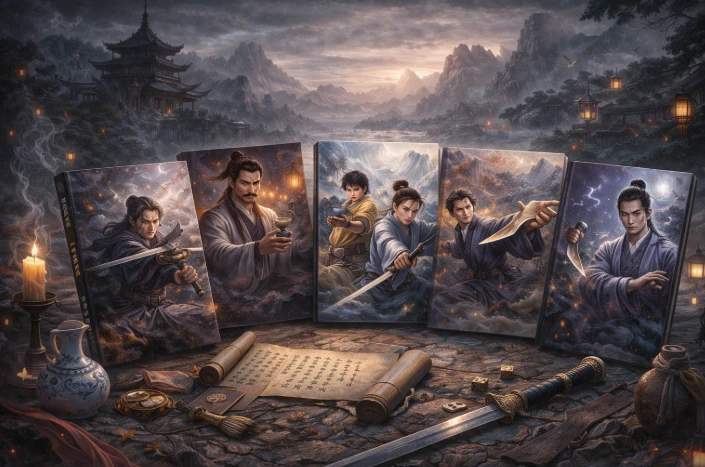
楚留香傳奇
多情劍客無情劍
陸小鳳傳奇
絕代雙驕
流星·蝴蝶·劍