
泡沫經濟與動畫:繁華與幻影之間 | Bubble Economy and Anime: Between Prosperity and Illusion in the Late 1980s and Early 1990s【動漫遊】006
1980年代後期,日本進入了經濟泡沫的高峰期,這段時期不僅改變了國家的經濟結構,也深刻影響了文化產業的發展,其中動畫產業的演變尤為顯著。隨著地價飛漲、資金充裕,企業對各類創意產業的投資熱情高漲,動畫作為一種視覺與敘事結合的媒介,自然成為資金注入的重要領域。這帶來了製作預算的提升、作品數量的增加以及市場信心的空前高漲。
As Japan’s bubble economy surged, anime entered a period of dazzling creativity and excess. Beneath the surface of prosperity, however, lay uncertainty and illusion. This era shaped not only the industry’s ambitions but also the themes of its stories, reflecting a society caught between confidence and collapse.
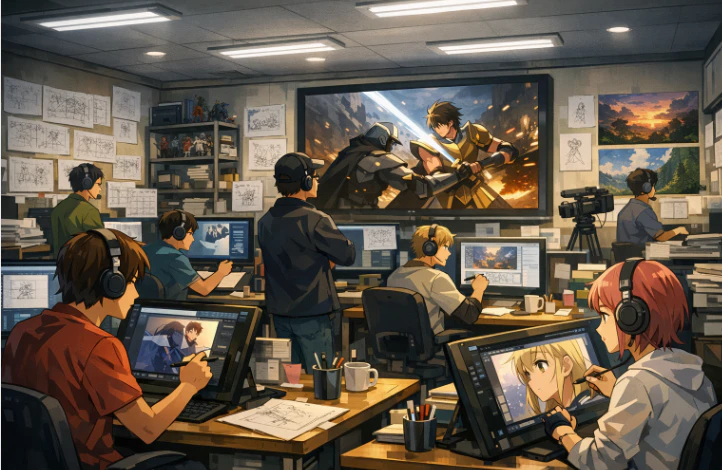
在這樣的背景下,動畫產業迎來了蓬勃發展的黃金時期。OVA市場(原創錄影帶動畫)迅速崛起,錄影帶銷售穩定成長,為創作者提供了更多發揮創意的空間。這一時期的動畫題材不僅更加多元化,也更具挑戰性。科幻與賽博朋克風格開始流行,成人向敘事逐漸成為主流,作品內容變得更加成熟與大膽。製作技術的進步也為動畫增添了更多可能性,畫面細節被不斷提升,機械設計更加精密,城市背景呈現出前所未有的華麗與未來感。
然而,這些繁榮的表象背後,潛藏著難以忽視的隱憂。泡沫經濟帶來的不僅是豐富的資源,也伴隨著極高的速度與壓力。市場在樂觀情緒的推動下迅速膨脹,動畫製作量大幅增加,但競爭也隨之加劇。為了吸引觀眾與投資者,許多作品開始過度追求話題性與規模,而忽略了品質的穩定性與內容的深度。雖然作品數量激增,但真正能留下深刻印象、被後人記住的精品並不多。
在這段時期創作的許多動畫作品中,未來感成為一個顯著的主題。高樓林立、科技發達、人工智慧普及、都市生活繁忙而孤獨,這些元素頻頻出現在螢幕上。然而,在這些看似光鮮亮麗的場景背後,卻隱藏著一股若隱若現的不安情緒。角色們雖然身處燈火通明的城市,但內心卻往往感到迷茫與孤獨。他們在追求夢想或面對困境時所展現出的掙扎,似乎在某種程度上反映了當時社會對未來的不確定感。
這種情緒並非偶然,而是與泡沫經濟本身息息相關。當時日本社會普遍沉浸在經濟繁榮帶來的樂觀氛圍中,但也有不少人開始意識到這種繁榮可能只是曇花一現。動畫作為一種反映時代精神的藝術形式,自然也無法避免地受到這種矛盾心態的影響。因此,在那些描繪光輝未來都市的作品中,我們同時可以感受到對現實的不安與對未來的不確定性。
隨著泡沫經濟在1990年代初期破裂,日本經濟陷入長期停滯,動畫產業也不得不面對巨大的挑戰。投資減少、製作預算縮減,使得許多公司不得不重新評估自己的運營模式與創作方向。曾經無限延伸的創意野心被迫回歸現實,如何在有限資源下創造出具有市場吸引力且具備藝術價值的作品,成為許多創作者面臨的重要課題。
然而,回顧這段歷史,我們可以發現泡沫經濟與動畫產業之間並非單純的因果關係。雖然經濟繁榮為動畫提供了豐富的資源與舞台,但真正賦予作品生命力的是創作者們對時代情緒的敏銳捕捉與深刻表達。在那些描繪光亮都市與未來科技的動畫作品中,我們可以看到的不僅是對繁榮時代的讚美,更是對其內在脆弱性的反思。
泡沫經濟時代催生了一批風格獨特且具有深遠影響力的動畫作品,它們就像一面鏡子,不僅映照出那個時代的繁華,也揭示出其中潛藏的不安與幻影。當霓虹燈光熄滅後,留存下來的不只是精緻的畫面與獨特的風格,更是一段關於創意、挑戰與反思的記憶。它提醒我們,在追求繁榮與進步的同時,也應該對未來保持謹慎與清醒。
這些作品所傳遞出的訊息,在今天依然具有啟發意義。在當代全球化與科技快速發展的背景下,我們同樣面臨著類似的挑戰與機遇。在創新與資源豐富之間尋找平衡,在樂觀與謹慎之間保持清醒,是我們能從那段歷史中汲取的重要教訓。正如泡沫時代的動畫所揭示的一樣,繁榮與危機往往是一體兩面的,我們需要以更加全面和深刻的視角來審視這個世界,以及我們自身所處的位置。
English Version
The late 1980s and early 1990s marked a complex and transformative period for anime, closely tied to Japan’s bubble economy. During this time, rapid economic growth created an environment of optimism and expansion, allowing the entertainment industry to flourish. Anime studios benefited from increased investment, leading to higher production budgets, more ambitious projects, and a willingness to experiment with new ideas. This period built upon the momentum of the 1980s golden age, pushing the medium toward greater visual sophistication and thematic depth. Yet beneath this prosperity was a sense of instability, a tension between confidence and uncertainty that would soon define both the industry and its storytelling. One of the most visible effects of the bubble economy on anime was the surge in production, particularly in the OVA (Original Video Animation) market. With the rise of home video, studios could produce content outside the constraints of television broadcasting. This allowed for greater creative freedom, resulting in works that explored darker themes, complex narratives, and more mature subject matter. OVAs often featured higher production values and experimental styles, reflecting the financial resources available during this period. However, this expansion was also driven by speculation and excess, mirroring the economic conditions of the time. The thematic landscape of anime during the bubble era reveals a deeper connection to its cultural context. While some works embraced the optimism of technological progress and limitless possibility, others began to explore the anxieties underlying rapid change. Cyberpunk and science fiction became particularly prominent, offering visions of the future that were both alluring and unsettling. Stories frequently examined the relationship between humanity and technology, questioning the cost of progress and the fragility of identity in an increasingly mechanized world. These themes can be seen in influential works such as Akira, which portrayed a society on the brink of chaos beneath a veneer of advancement. The contrast between prosperity and illusion was also reflected in the visual style of anime during this era. High levels of detail, dynamic animation, and bold artistic choices conveyed a sense of energy and ambition. At the same time, darker tones, fragmented imagery, and dystopian settings hinted at underlying instability. This duality captured the essence of the bubble economy itself—a period of apparent success that masked deeper structural vulnerabilities. As the bubble economy began to collapse in the early 1990s, the impact on the anime industry became increasingly evident. Financial constraints forced studios to reconsider their production strategies, leading to a shift toward more sustainable models. The excess and experimentation of the bubble era gave way to a more cautious approach, but the creative legacy of that period continued to influence the medium. The themes of uncertainty, identity, and the consequences of progress remained central to anime, shaping its evolution in the years that followed. The cultural impact of this era extends beyond its immediate historical context. The bubble period demonstrated both the potential and the risks of rapid expansion within the anime industry. It highlighted the importance of balancing creativity with sustainability, a lesson that continues to resonate in today’s globalized media landscape. In the modern era, platforms such as Netflix and Crunchyroll have created new opportunities for distribution and growth, but they also reflect similar dynamics of abundance and competition. The experience of the bubble economy serves as a reminder that periods of rapid growth often carry hidden challenges. Ultimately, the relationship between the bubble economy and anime is one of reflection and transformation. The prosperity of the time enabled a burst of creativity that pushed the medium to new heights, while the subsequent collapse introduced a more introspective and critical perspective. This interplay between expansion and restraint shaped anime into a medium capable of expressing both the dreams and the doubts of its era. The stories produced during this period continue to resonate because they capture a universal tension—the balance between ambition and reality, between what appears to be and what truly is.