澎湖馬公三水上帝廟:海島信仰與歷史文化的交匯 | Sanshui Shangdi Temple in Magong: Where Faith Meets Island History

台灣澎湖群島擁有豐富的自然景觀及深厚的文化底蘊,而其中馬公市的三水地區更是以其宗教信仰和歷史建築吸引眾多遊客。上帝廟,作為三水地區的重要宗教場所,不僅承載著當地居民的信仰,也是一座充滿歷史意義的建築。
Located in Magong, Penghu, Sanshui Shangdi Temple stands as a symbol of maritime belief and local history, reflecting the island’s spiritual traditions and community life.
上帝廟的背景與特色
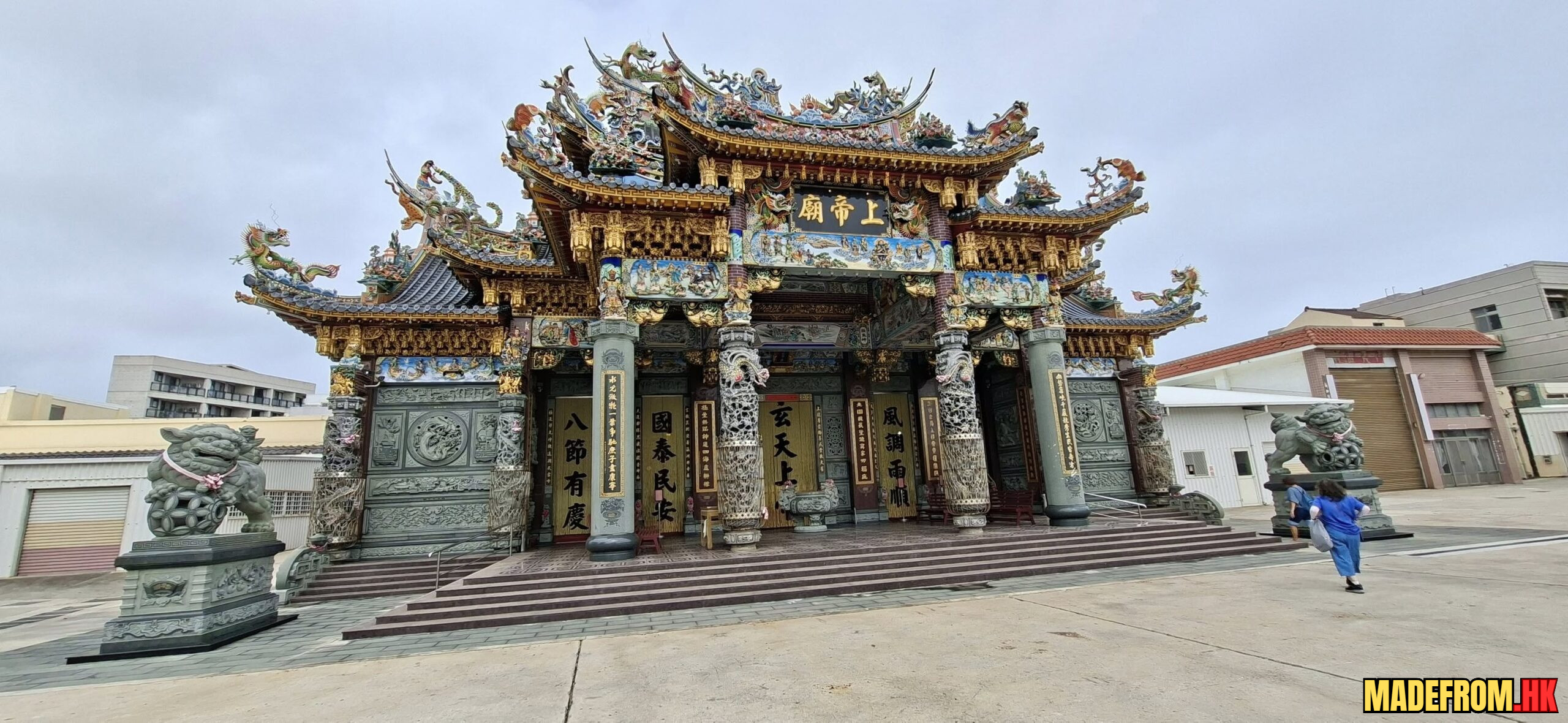
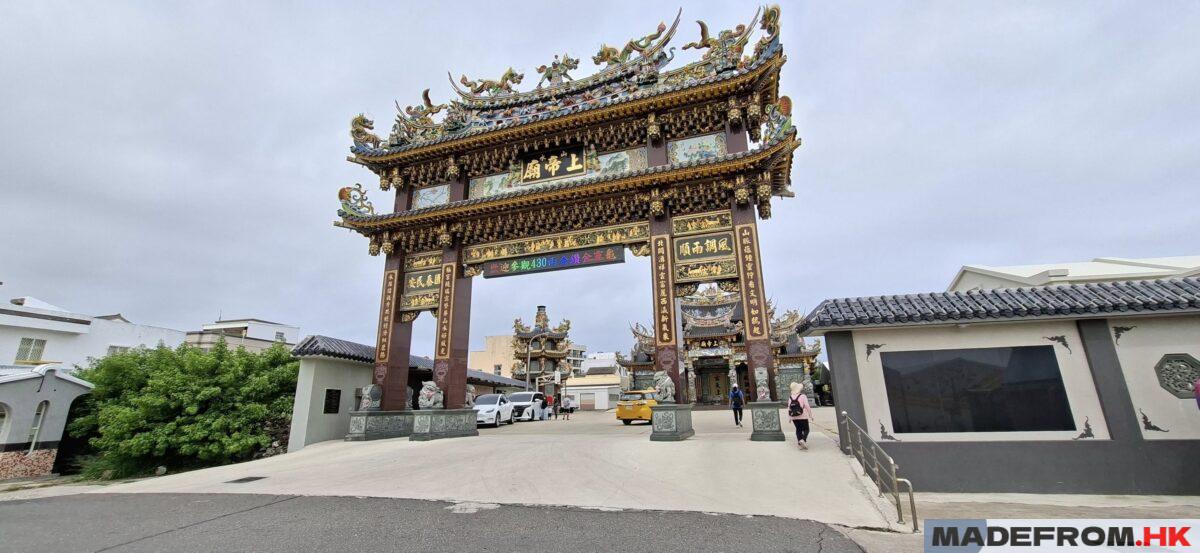
上帝廟供奉玄天上帝,玄天上帝在道教中被視為掌管北方及水域的神祇,因此廟宇多建於靠海的地區,以祈求風調雨順、漁業豐收。三水的上帝廟建築風格古樸,融合了傳統閩南建築特色,紅磚牆與雕刻精美的屋脊相得益彰,細節處展現了工匠的精湛技藝。
廟內的神像莊嚴威武,香火鼎盛,吸引了不少信眾前來祈福。每年廟方都會舉辦傳統祭典活動,例如「繞境」和「平安宴」,這些活動不僅是宗教儀式,更是地方社群凝聚力的象徵。
歷史與文化價值
上帝廟的歷史可以追溯至數百年前,見證了澎湖地區的發展和變遷。作為地方信仰中心,它不僅是宗教活動的場所,也成為了保存地方文化的重要載體。廟宇內部收藏了一些珍貴文物,包括石碑、匾額和古代祭祀器具,這些文物為研究澎湖地區的歷史提供了重要線索。
此外,上帝廟周邊環境清幽,適合遊客散步和拍照。三水地區還有其他值得探索的景點,例如傳統漁村和自然景觀,讓人能夠深入了解澎湖的生活方式。
English Version
Sanshui Shangdi Temple, situated in Magong within the Penghu archipelago, is a compelling example of how religious belief, environmental conditions, and community identity converge in island societies. Dedicated to Shangdi, a revered deity often associated with cosmic order and protection, the temple reflects a spiritual worldview deeply rooted in both Taoist tradition and maritime culture.
Penghu’s location in the Taiwan Strait has long made it a place shaped by the sea. For generations, fishing and seafaring have defined daily life, and with them came a reliance on divine protection. Temples such as Sanshui Shangdi Temple emerged not only as places of worship but as anchors of emotional and social stability. For local residents, the temple represents reassurance in the face of unpredictable waters and changing seasons.
The origins of the temple are closely tied to early settlement patterns in Magong. As communities formed and expanded, the need for shared spiritual spaces became increasingly important. The temple evolved alongside the village, reflecting shifts in population, economic activity, and cultural exchange. Over time, it became a focal point for rituals, festivals, and communal decision-making.
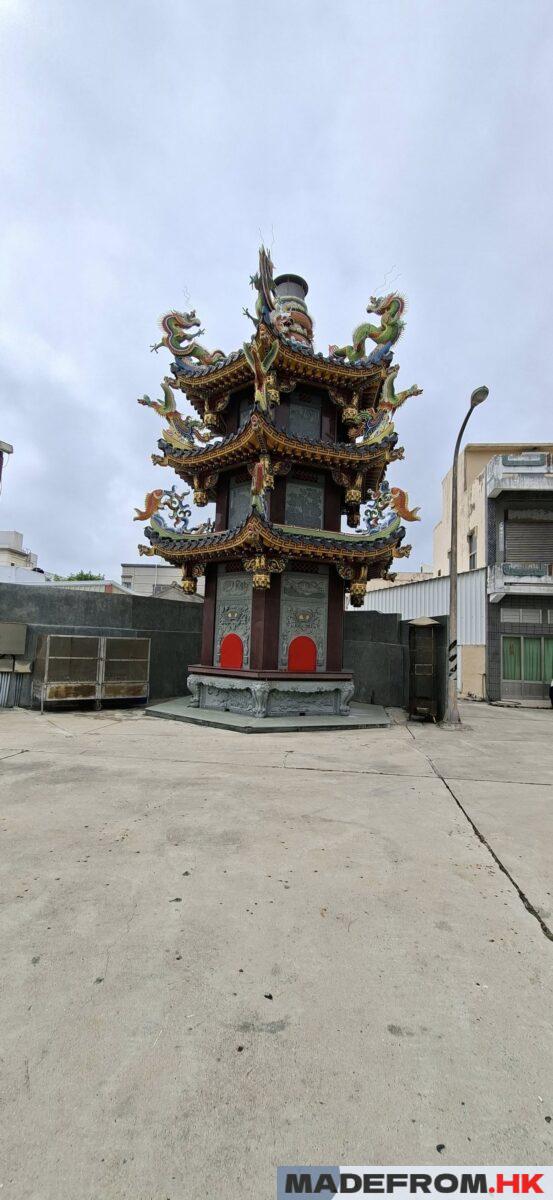
Architecturally, Sanshui Shangdi Temple embodies traditional southern Chinese temple design, adapted to Penghu’s unique climate. The structure features layered roofs with elegant curves, symbolic ridge decorations, and detailed carvings that narrate mythological and historical stories. These artistic elements are not merely ornamental—they communicate values, beliefs, and collective memory.
Local materials play a significant role in the temple’s construction. Coral stone and weather-resistant masonry are commonly used, reflecting practical responses to strong winds and salty air. This adaptation gives the temple a distinct texture and durability, blending seamlessly with the island’s natural landscape. The weathered surfaces tell a story of resilience, marking the passage of time and the endurance of faith.
Inside the temple, the spatial arrangement follows traditional principles of harmony and balance. Altars are positioned to align with spiritual hierarchies, guiding worshippers through a symbolic journey from the outer world to a sacred inner space. Incense, light, and sound combine to create an atmosphere that is both solemn and vibrant, reinforcing the connection between the physical and spiritual realms.
Beyond its architectural and religious significance, Sanshui Shangdi Temple continues to function as a living cultural center. Festivals and ceremonies bring the community together, preserving traditions while adapting to modern life. These events are not only expressions of devotion but also opportunities for cultural transmission, ensuring that younger generations remain connected to their heritage.
In a broader context, the temple represents the layered identity of Penghu itself—a place where history, belief, and environment are inseparable. Visitors who spend time here often discover that the temple offers more than visual appeal. It invites reflection on the relationship between humans and nature, tradition and change, individual experience and collective memory.
As interest in cultural tourism grows, sites like Sanshui Shangdi Temple gain renewed attention. However, their true value lies not in spectacle but in authenticity. Preserving this authenticity requires respect—for the rituals practiced, the stories embedded in the architecture, and the community that continues to sustain it.
Ultimately, Sanshui Shangdi Temple stands as a quiet yet powerful reminder of how faith shapes place. It is a testament to continuity in a world of constant change, offering insight into the enduring spirit of island life in Penghu.
總結
無論是對宗教文化感興趣,還是希望探索台灣澎湖的歷史,上帝廟都是一個不可錯過的地方。它既是信仰的象徵,也是文化交流的平台。下一次到訪澎湖,不妨抽空前往三水,感受上帝廟獨特的魅力,以及這片土地所蘊藏的故事。
Sanshui Shangdi Temple embodies faith, history, and island life, serving as a cultural landmark that connects the past with the present in meaningful ways.