
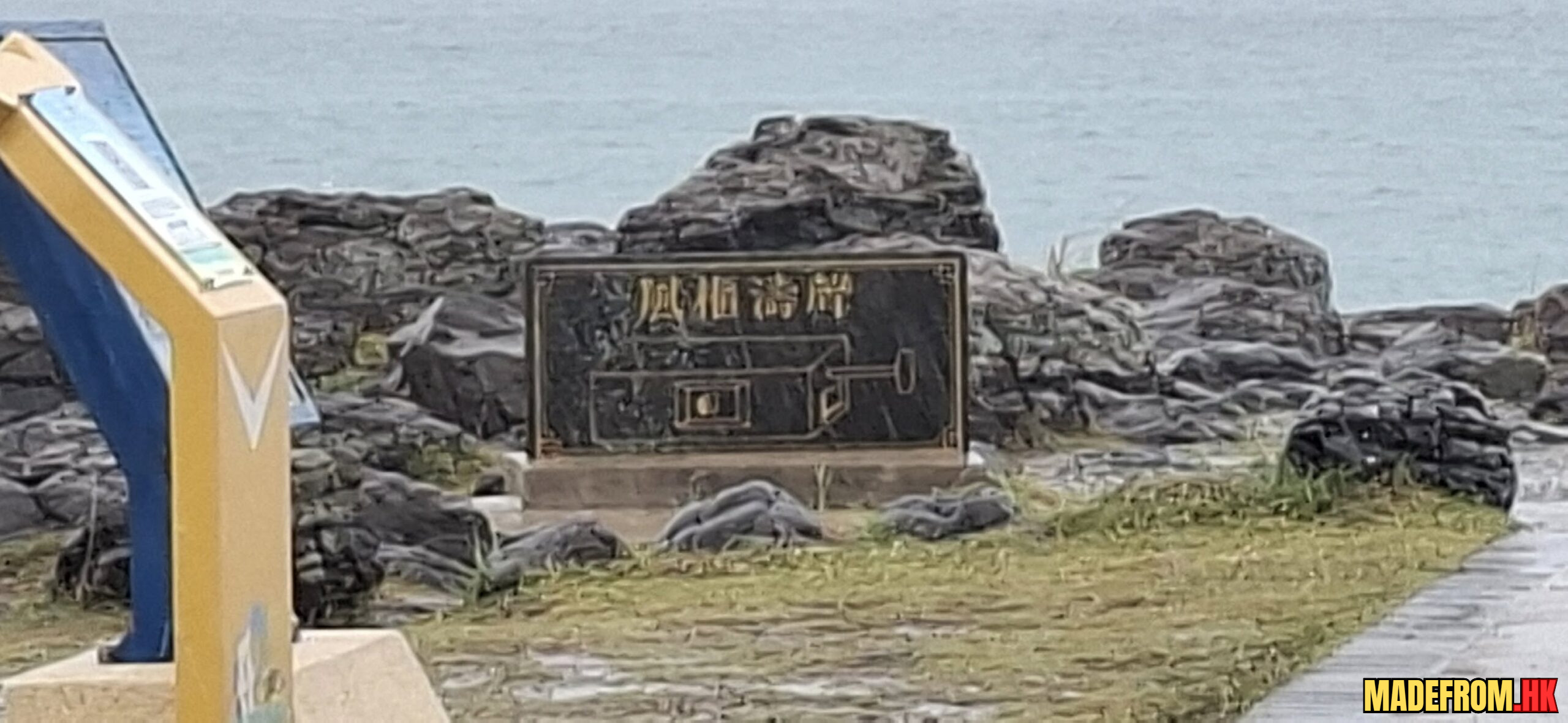
澎湖馬公風櫃洞:海蝕奇觀與聲音之美的自然地標 | Fenggui Cave in Magong: A Coastal Wonder of Erosion and Ocean Echoes

澎湖馬公風櫃洞以壯觀的海蝕地形與獨特聲響聞名,是結合自然力量與地質奇觀的重要景點。海浪拍打岩壁所產生的回音,為這片海岸增添神秘氛圍。
Fenggui Cave in Magong, Penghu, is known for its dramatic coastal erosion and the unique sounds created by crashing waves. This natural site blends geological wonder with an almost musical interaction between sea and rock.
位於台灣澎湖馬公的風櫃洞,是一個結合自然奇觀與人文故事的著名景點。作為澎湖群島中最具代表性的地標之一,風櫃洞以其獨特的地質景觀和神秘的傳說吸引了無數遊客。
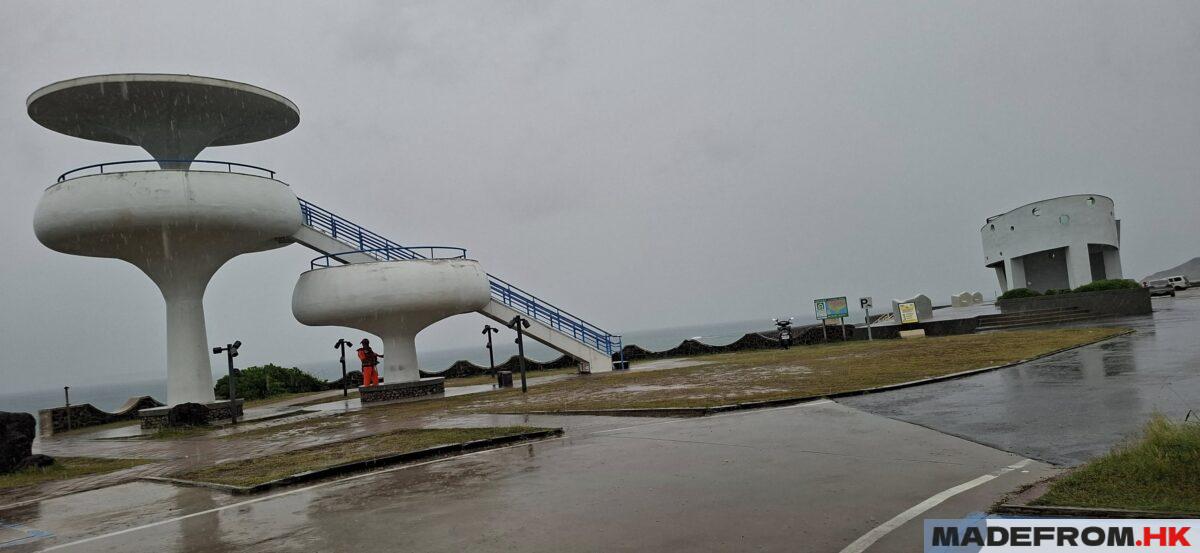
地質奇觀
風櫃洞得名於其特殊的地形結構。這是一處由海蝕作用形成的天然洞穴,當海浪拍打岩壁時,空氣壓縮後從洞中噴出,發出類似「風櫃」的聲響。這種自然現象不僅令人驚嘆,更是研究海洋地質學的重要案例。站在洞口,感受海風與浪濤的交錯,彷彿能聽見大自然的低語。
人文故事
除了壯麗的自然景觀,風櫃洞還蘊藏著豐富的人文歷史。據說,早期當地漁民常以此地作為避風港,並以洞穴中的聲響作為天氣變化的預兆。此外,風櫃洞周邊還有許多與漁業文化相關的遺跡,展現了澎湖居民與海洋共生的智慧。
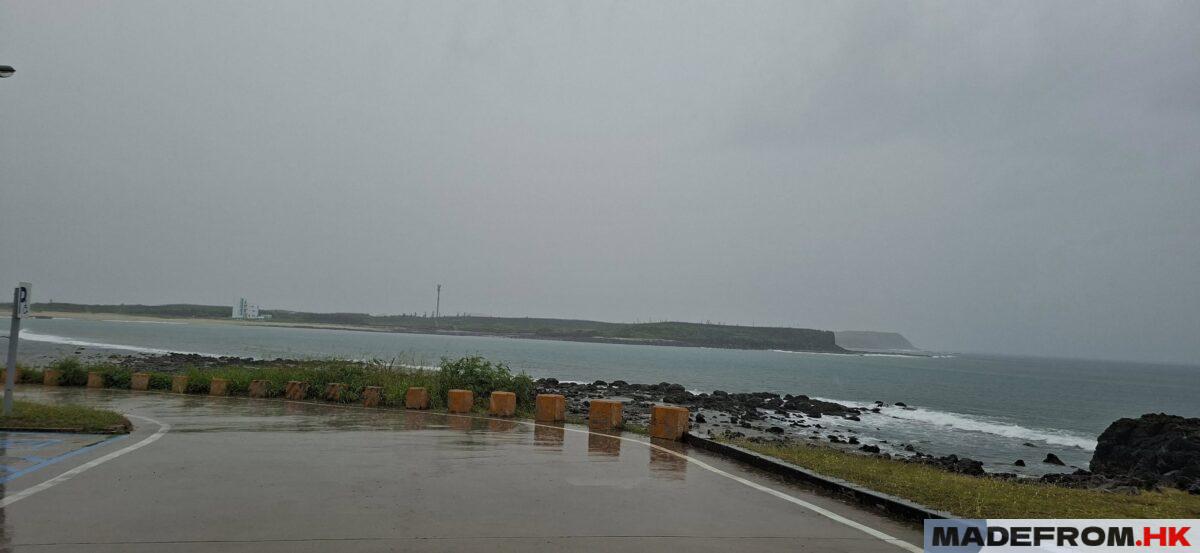
旅遊建議
風櫃洞適合全年參觀,但最佳時機為春秋兩季,此時天氣宜人,海浪聲更為清晰。建議遊客穿著便於行走的鞋子,並注意安全,尤其是在潮濕滑溜的岩石區域。此外,附近還有其他值得探索的景點,如雙心石滬和澎湖天后宮,可規劃一日或兩日遊行程。
English Version
Fenggui Cave, located along the rugged coastline of Magong in Penghu, stands as a striking example of the island’s dynamic relationship with the sea. Carved by centuries of relentless wave action, this coastal formation captures both the power and artistry of nature in a way that is immediately compelling.
The cave itself is not a traditional cavern one can walk into, but rather a series of openings and channels formed within volcanic rock. As waves surge through these narrow passages, air is compressed and released, producing a deep, resonant sound. This natural phenomenon has given Fenggui Cave its reputation as a place where the ocean seems to “speak,” creating an experience that is both sensory and atmospheric.
Geologically, the site reflects Penghu’s volcanic origins. The islands were formed through ancient volcanic activity, and the resulting basalt formations have been gradually shaped by erosion over time. At Fenggui, this process is especially visible, with jagged rock surfaces and hollowed-out sections illustrating the long-term interaction between land and sea.
Historically, locations like Fenggui Cave have held cultural significance for coastal communities. The dramatic sounds and powerful waves often inspired local interpretations, blending natural observation with storytelling and belief. While modern visitors may approach the site from a scientific perspective, traces of these cultural meanings still linger in the way the landscape is perceived.
The surrounding area enhances the experience. Open views of the ocean, combined with strong coastal winds, create a sense of vastness and exposure. There is little to obstruct the horizon, allowing visitors to fully engage with the scale of the environment. This openness is a defining characteristic of Penghu’s coastal scenery.
Fenggui Cave also represents a balance between accessibility and preservation. Pathways and viewing areas have been developed to allow safe observation, while still maintaining the raw quality of the site. This ensures that visitors can appreciate the natural processes at work without diminishing their impact.
For travelers, the appeal of Fenggui Cave lies in its uniqueness. Unlike typical scenic spots that rely primarily on visual beauty, this location engages multiple senses. The sound of the waves, the feel of the wind, and the sight of the rugged coastline come together to create a fully immersive experience.
In a broader sense, the cave serves as a reminder of the ongoing forces that shape our world. It highlights how time, movement, and natural energy can transform solid rock into something fluid and expressive. This perspective adds depth to the visit, turning it into more than just a stop on a travel itinerary.
Ultimately, Fenggui Cave is a place where nature’s processes are both visible and audible. It invites visitors to pause, listen, and observe—offering a rare opportunity to experience the environment in a way that is both powerful and quietly reflective.
總結
風櫃洞展現了澎湖獨特的地質與海洋力量,透過聲音與景觀交織出難忘體驗,是自然與文化交融的重要象徵。
Fenggui Cave showcases the power of Penghu’s coastal geology, combining sound and scenery into a memorable experience that reflects both natural forces and cultural interpretation.