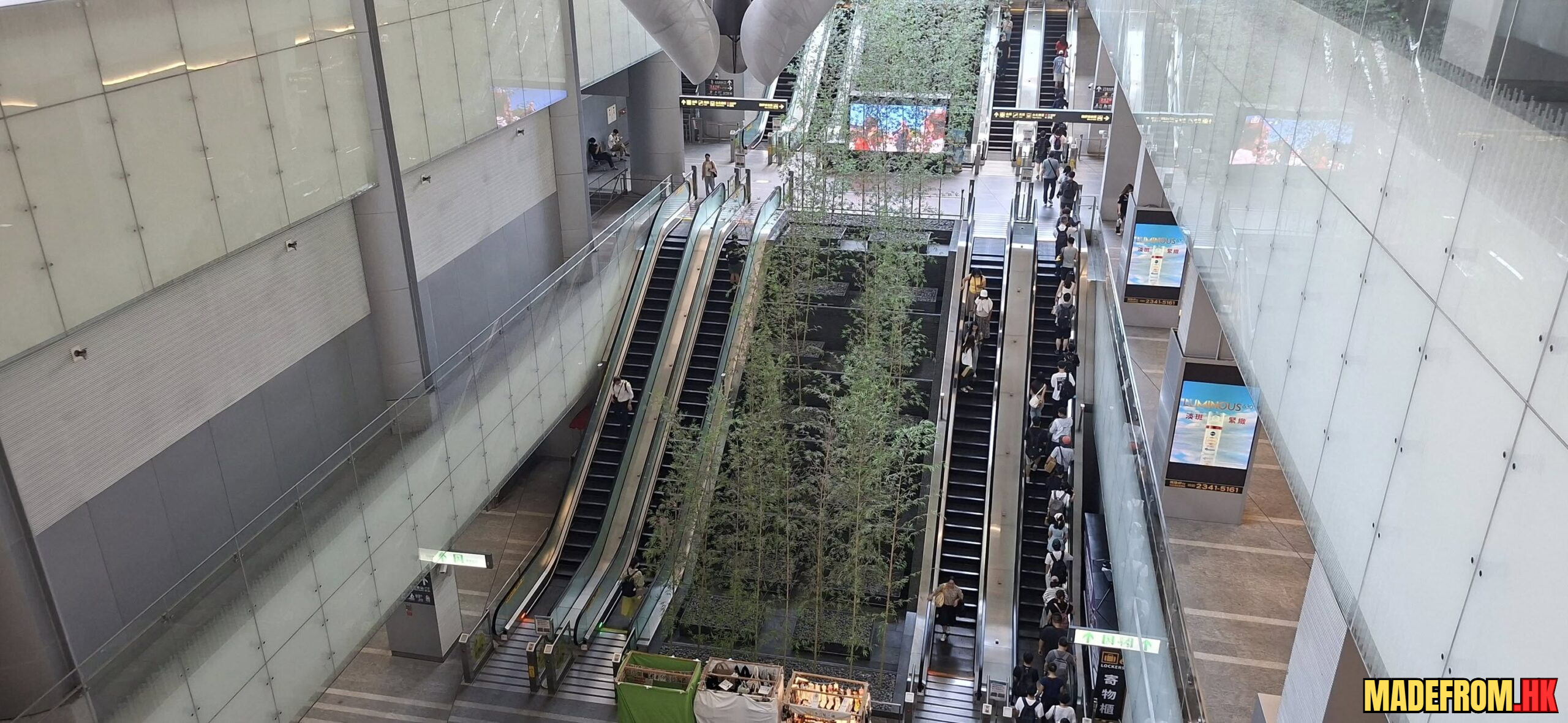
台北車站是台灣最重要的交通樞紐之一,串聯高鐵、台鐵與捷運系統,亦承載城市發展的歷史軌跡。從日治時期至現代重建,這裡不僅是旅客往來之地,更是台北都市文化與節奏的縮影。
Taipei Main Station stands as Taiwan’s most vital transit hub, connecting high-speed rail, metro, and conventional trains. Beyond movement, it reflects the city’s layered history, evolving from a colonial-era station into a modern urban landmark filled with cultural rhythm and daily life.
歷史與現代化的結合
台北車站始建於1891年,隨著時代的變遷,經歷了多次改建與擴充。如今的車站建築於1989年啟用,外觀採用簡潔現代的設計風格,同時內部空間寬敞明亮,能夠容納每日數十萬旅客的流量。這座車站不僅是交通樞紐,更是台灣歷史與現代化發展的見證。
多元交通系統
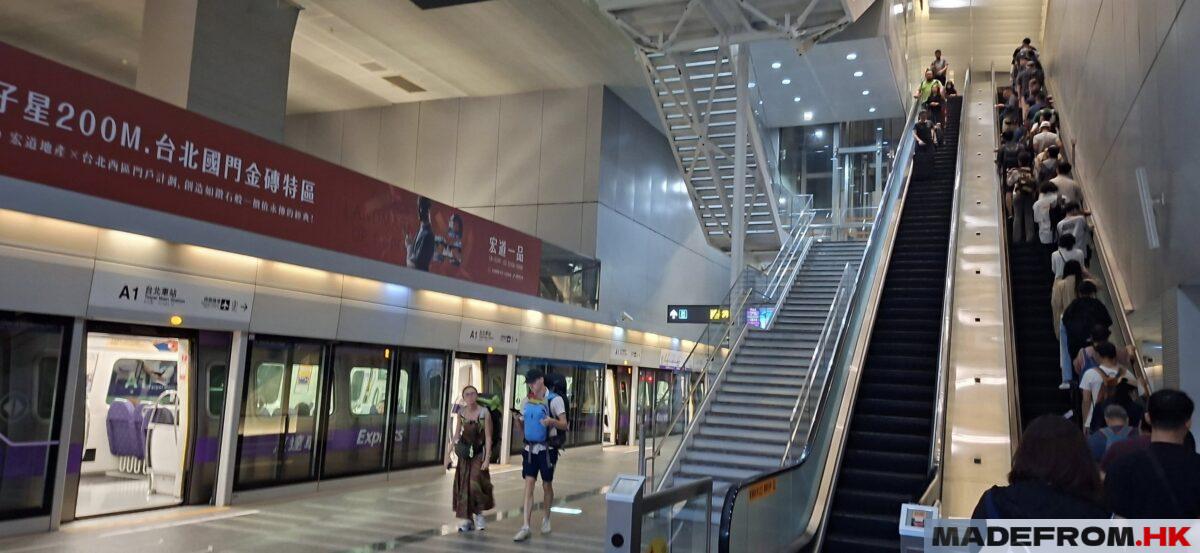
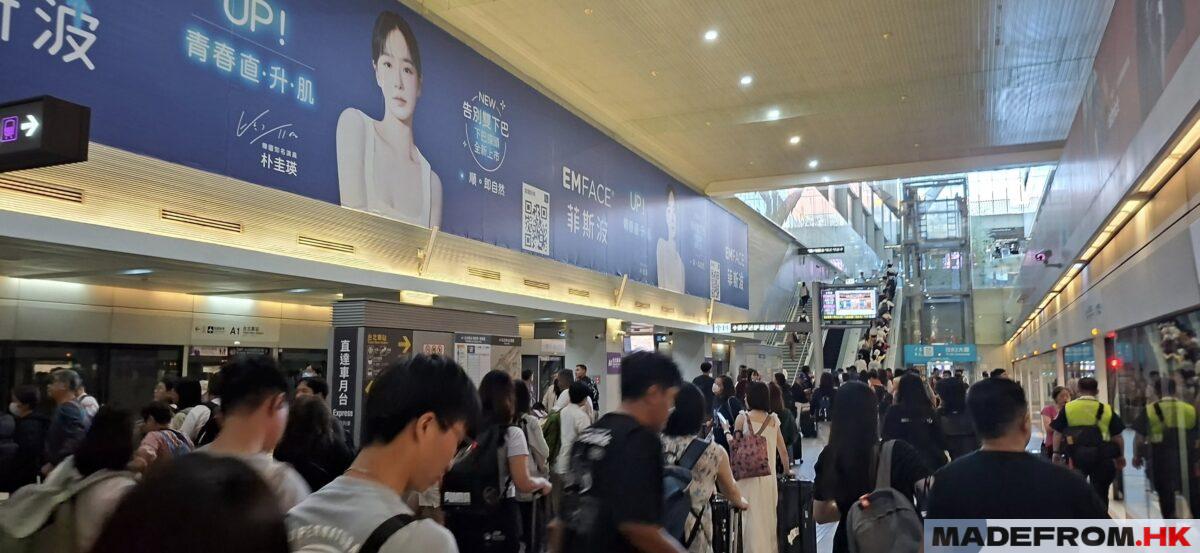
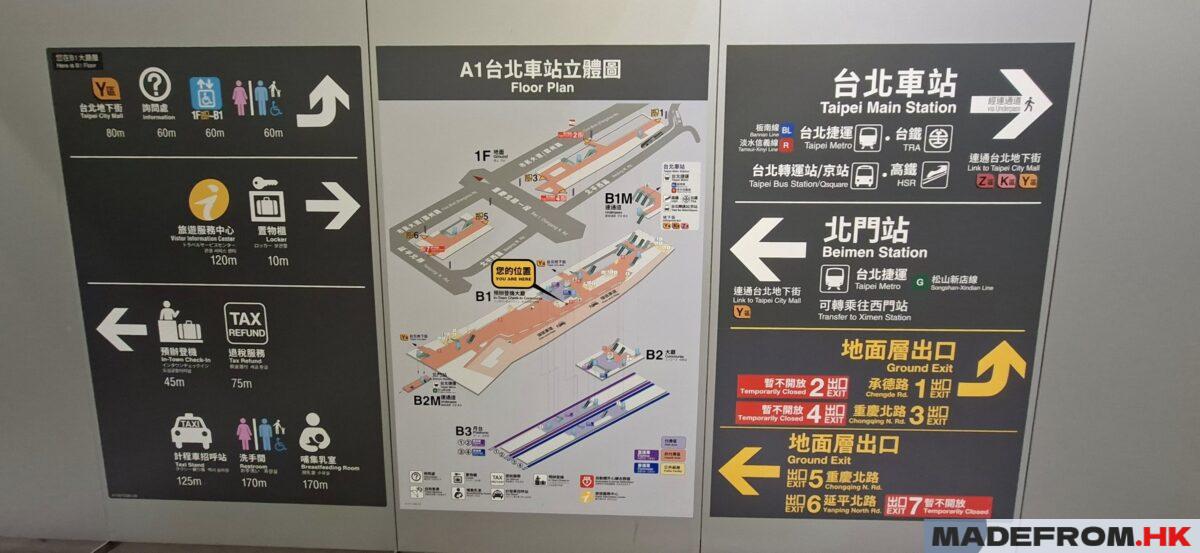
台北車站集結了台灣鐵路、高鐵、台北捷運及多條公路客運線路,實現了多種交通工具的無縫接駁。對於需要跨城市移動的旅客,高鐵與台鐵提供了快速便捷的選擇;而對於市內通勤者,捷運系統則成為日常生活中不可或缺的一部分。此外,車站周邊還設有計程車及共享單車服務,進一步提升了交通便利性。
商業與文化的交匯點
除了交通功能外,台北車站還是一個商業與文化的交匯點。站內設有多層商場,提供各式餐飲、購物及休閒選擇。不論是品嚐在地小吃,還是購買特色紀念品,旅客都能在此找到滿足需求的選項。同時,周邊亦有多個文化景點,如二二八和平公園及中山堂,為旅程增添更多探索的可能性。
English Version
Taipei Main Station is more than a transportation interchange—it is a living crossroad where Taiwan’s past and present intersect seamlessly. Situated in the heart of the capital, this vast complex links the Taiwan High Speed Rail, Taiwan Railways Administration, and the Taipei Metro, forming a network that channels millions of passengers every day. Yet beneath its functional exterior lies a deeper narrative shaped by history, architecture, and urban transformation.
The origins of Taipei Main Station trace back to the late 19th century during the Qing Dynasty, when railways were first introduced to Taiwan. However, it was during the Japanese colonial period that the station took on a more defined role. The early 20th-century structure reflected Western architectural influences blended with Japanese planning precision, symbolizing modernization and colonial ambition. Over time, as Taipei expanded into a bustling metropolis, the original station became insufficient for growing demands.
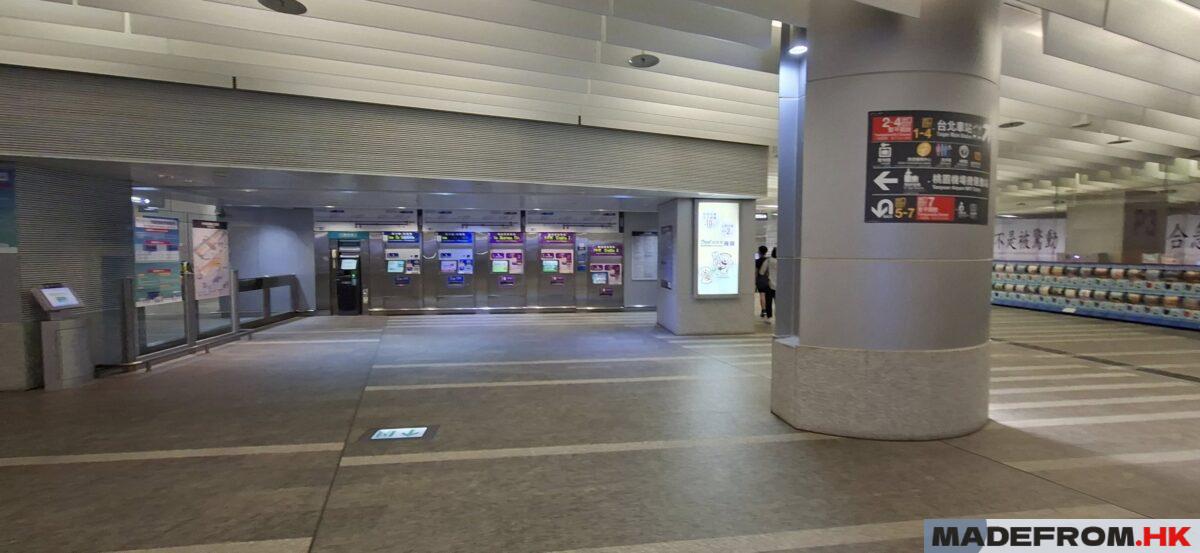
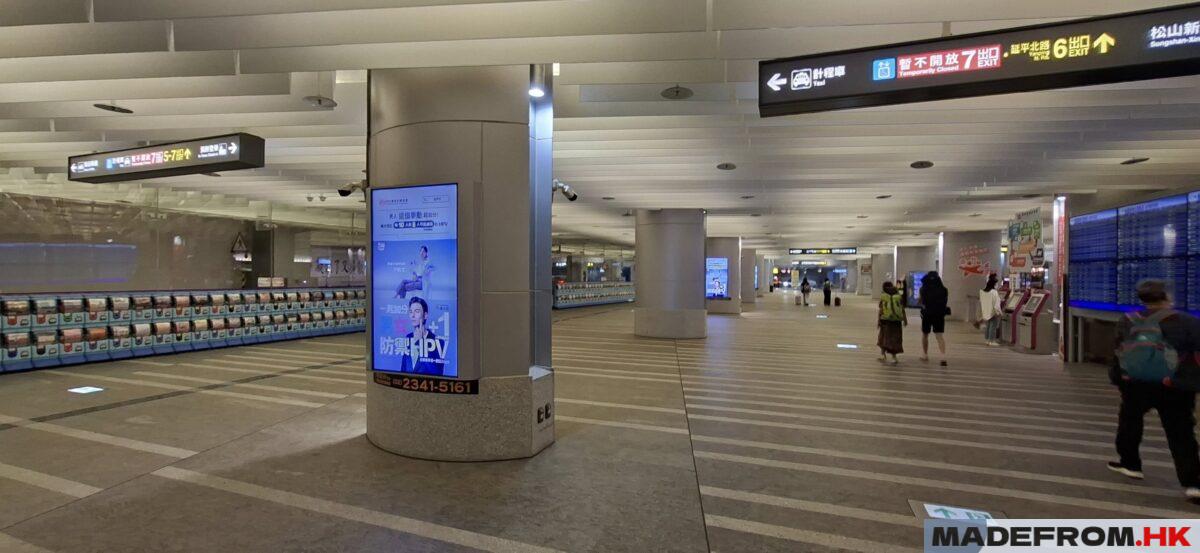
The current station, completed in the late 20th century, represents a bold shift toward modern infrastructure. Its design prioritizes efficiency and scale, accommodating multiple rail systems within a single integrated complex. The underground layout, in particular, demonstrates advanced urban planning—layering transportation lines, shopping areas, and pedestrian pathways into a cohesive environment. This multi-level structure allows travelers to transition effortlessly between different modes of transport, making it one of the most efficient transit hubs in East Asia.
Beyond transportation, Taipei Main Station serves as a vibrant social and cultural space. Its expansive underground malls are filled with shops, restaurants, and local vendors, offering everything from traditional Taiwanese snacks to contemporary fashion. On weekends, the station transforms into a gathering place for diverse communities, including migrant workers who use the open spaces as meeting points. This human dimension adds warmth and authenticity, turning the station into more than just a transit point—it becomes a shared urban living room.
Architecturally, the station may appear understated compared to more ornate historical buildings, yet its strength lies in functionality and adaptability. The clean lines and geometric forms reflect late modernist influences, emphasizing practicality over decoration. Above ground, the structure integrates seamlessly with surrounding districts, including commercial areas, government buildings, and cultural sites. Nearby landmarks such as the Presidential Office Building and Ximending further enrich the station’s context, linking it to Taipei’s political and cultural identity.
The station’s significance also extends into the symbolic realm. It represents movement—not only physical journeys but also social mobility and economic progress. For many, it is the first impression of Taipei, a gateway that introduces visitors to the city’s energy and diversity. For locals, it is part of daily life, a familiar space where routines unfold and stories quietly accumulate.
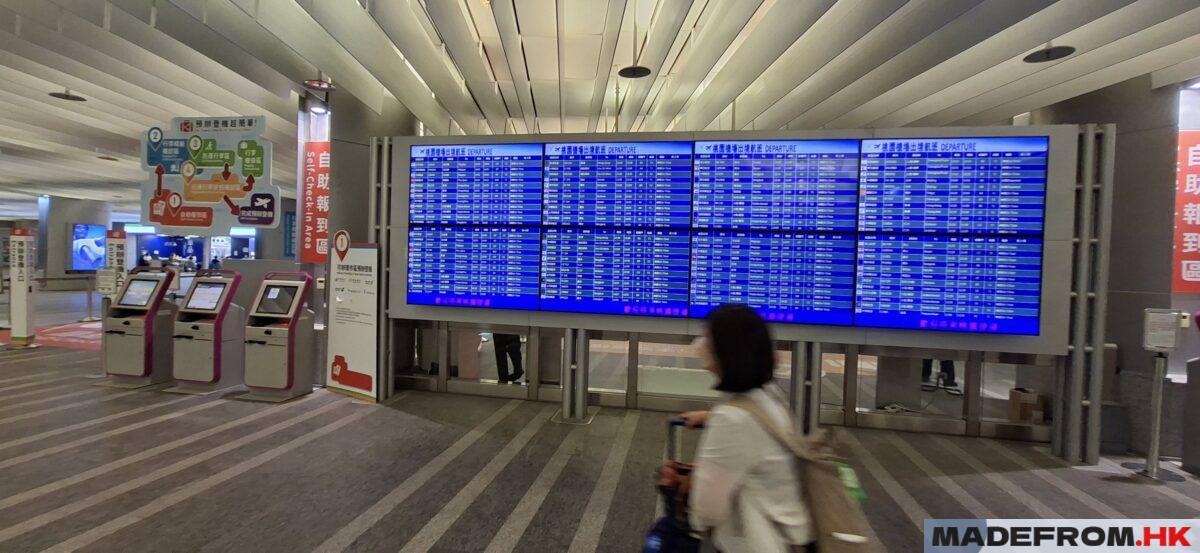
In recent years, continuous upgrades have enhanced the station’s accessibility and sustainability. Improvements in signage, multilingual services, and barrier-free design reflect Taiwan’s commitment to inclusivity and global connectivity. As urban challenges evolve, Taipei Main Station continues to adapt, balancing tradition with innovation.
Ultimately, Taipei Main Station embodies the rhythm of a modern city grounded in history. It is a place where journeys begin and end, where cultures meet, and where the pulse of Taipei can be felt most vividly.
總結
台北車站不只是交通中心,更是歷史與現代交織的城市縮影,承載著人流、文化與記憶,展現台北持續變動與發展的節奏。
Taipei Main Station is not merely a transit hub but a dynamic reflection of the city itself—where history, movement, and everyday life converge into a continuously evolving urban story.