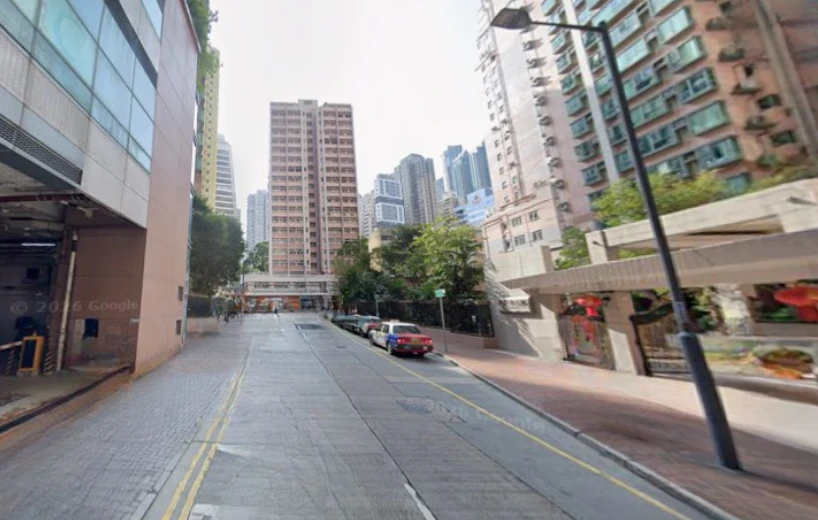
在香港上環的街道網絡之中,有一條歷史悠久但不太引人注意的街道——皇后街。這條街位於上環核心地帶,連接德輔道西與皇后大道西,是香港早期城市發展時期形成的重要街道之一。今天的皇后街是一條典型的舊區街道,兩旁店舖與住宅混合,街道上既有傳統商店,也有小型餐館與生活服務業。
雖然街道規模不大,但它所承載的城市歷史卻與香港港口城市的形成密不可分。十九世紀香港開埠後,英國殖民政府在港島北岸建立維多利亞城。城市最初沿海旁發展,而上環逐漸成為華人居民與港口勞工聚集的地區。皇后街的出現正是在這樣的背景之下。街道名稱以英國維多利亞女王命名,反映出當時殖民政府以英國皇室與政治人物命名街道的習慣。這種命名方式在香港城市中十分常見,例如皇后大道、域多利皇后街等,都與同一歷史背景有關。皇后街的位置介於皇后大道西與德輔道西之間,形成一條連接主要幹道的小型街道。在早期香港城市結構中,這種街道通常承擔商業與生活功能。主幹道上集中大型商業活動,而像皇后街這樣的街道則聚集各種小型店舖,例如雜貨店、米舖、藥材店與日用品店。這些商舖主要服務附近居民與港口工人,使整條街充滿生活氣息。隨著香港港口經濟的發展,上環逐漸成為商業與住宅混合的社區。大量商船在維多利亞港停泊,碼頭與倉庫集中在附近地區,帶動了街道商業活動。皇后街上的店舖不僅為居民提供日常生活用品,也為船員與港口工人提供服務。街道因此逐漸形成具有港口城市特色的商業環境。到了二十世紀初,香港經濟逐漸穩定,上環成為人口密集的華人社區。皇后街兩旁出現大量唐樓與住宅建築,形成典型的香港舊區街景。這些建築通常樓高四至六層,樓下是店舖,樓上則為住宅。這種「上居下舖」的建築模式在香港城市發展中十分常見,也反映出城市土地有限與人口密集的情況。若從城市文化角度觀察,皇后街同樣展現香港中西文化交融的特色。街道名稱源自英國皇室,而街道上的生活則完全屬於華人社區。中藥店、海味店與茶餐廳構成典型的香港街道景象。這種文化融合在香港歷史中十分普遍,殖民政府提供城市框架,而華人居民則在其中建立自己的生活文化。進入二十一世紀後,上環逐漸出現新的住宅與商業建築,但皇后街仍然保留不少舊式店舖與社區氣氛。街道雖然不寬,但人流不斷,仍然是居民日常生活的重要空間。從十九世紀的港口城市街道,到今日的都市社區街道,皇后街見證了香港城市發展的一百多年歷史。它沒有宏偉建築,也不是著名旅遊景點,但正是這樣的普通街道,構成了香港城市最真實的面貌。當人們走在皇后街上時,也同時走在香港城市歷史的一段軌跡之中。
English Version
Queen Street, located in the heart of Sheung Wan on Hong Kong Island, is one of those understated yet historically rich streets that quietly reflect the formation and evolution of Hong Kong as a port city, and although it may not stand out in comparison to the more prominent thoroughfares nearby, its position between Des Voeux Road West and Queen’s Road West situates it firmly within the early urban grid of Victoria City, making it an integral part of the layered street network that supported both commercial activity and everyday life during the city’s formative years; following the establishment of Hong Kong as a British colony in 1841, development initially concentrated along the northern shoreline, where trade, shipping, and administrative functions were anchored, and Sheung Wan gradually emerged as a key district for Chinese residents and port-related labor, forming a dense and active community that required a network of smaller streets to support its daily operations, and it was within this context that Queen Street took shape, its name reflecting the colonial convention of honoring Queen Victoria, a practice that left a lasting imprint on the city’s geography, yet over time the street’s identity became defined less by its name and more by the lives of those who inhabited and used it; structurally, Queen Street exemplifies the typical pattern of early Hong Kong urbanism, where major roads accommodated larger-scale commerce and movement, while secondary streets like this one hosted a wide range of small businesses and services catering to local needs, including grocery shops, rice stores, herbal medicine outlets, and eateries, creating a vibrant and functional micro-economy that sustained both residents and the port workforce, and this arrangement reflects a broader urban logic in which the visible commercial façade of the city is supported by a dense network of smaller, interconnected streets that facilitate everyday life; as Victoria Harbour grew into one of Asia’s busiest ports in the late nineteenth and early twentieth centuries, the surrounding districts experienced significant growth, with warehouses, piers, and commercial establishments attracting workers and residents, and Queen Street became part of this ecosystem, serving as a space where goods, services, and social interactions intersected, contributing to the characteristic atmosphere of a port city where economic activity and daily living are closely intertwined; architecturally, the street is defined by the presence of traditional tong lau buildings alongside more recent developments, illustrating the layered nature of Hong Kong’s urban fabric, where successive phases of construction and redevelopment coexist within a relatively small spatial footprint, and the “shop below, residence above” configuration remains a key feature, emphasizing the integration of work and living spaces that has long characterized the city; culturally, Queen Street embodies the hybrid identity of Hong Kong, where its English name signals a colonial legacy while the street itself is animated by local Chinese culture, evident in the presence of traditional shops, local eateries, and community interactions that give the area its distinct character, and this coexistence highlights how colonial structures have been adapted and localized over time; despite the rapid modernization of Hong Kong in the twenty-first century, including the rise of high-rise residential and commercial buildings, Queen Street has retained much of its original scale and atmosphere, continuing to function as a community-oriented street where everyday life unfolds in a relatively stable and familiar pattern, and while it may not attract significant tourist attention, its value lies precisely in its ordinariness, offering an authentic glimpse into the lived experience of the city beyond its iconic skyline and major landmarks; throughout the day, the street is filled with the rhythms of daily activity, from shopkeepers opening their stores in the morning to residents running errands and workers passing through, while in the evening it transitions into a quieter yet still active environment, reflecting the cyclical nature of urban life; ultimately, Queen Street is more than a simple connector between larger roads, it is a microcosm of Hong Kong’s historical development, capturing the interplay between colonial planning, port-driven economic growth, and community-based living, and in walking along it, one encounters a version of the city that is grounded, continuous, and deeply rooted in its past, demonstrating how even the most unassuming streets can hold profound significance within the broader narrative of Hong Kong’s urban evolution.