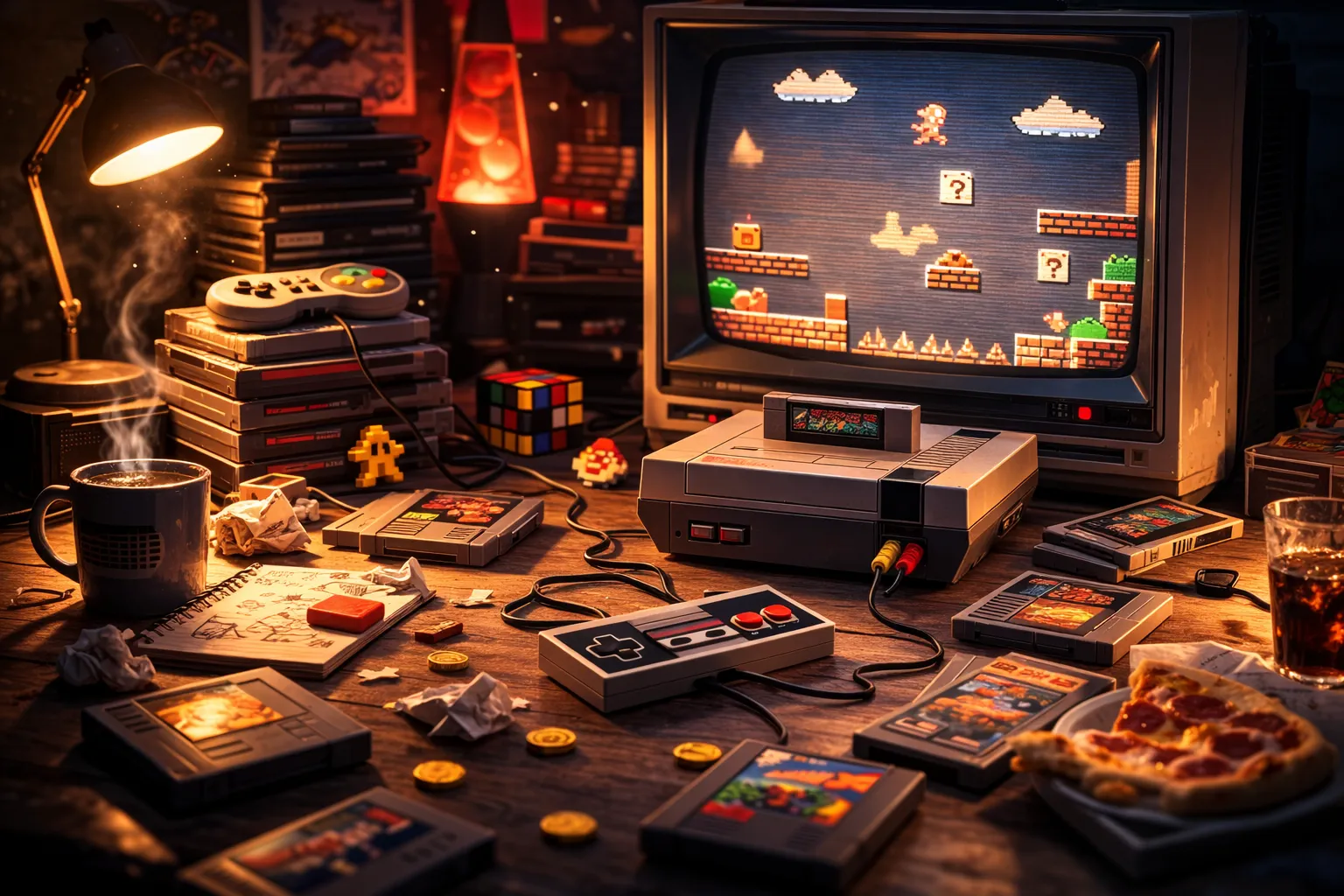
難度設計的核心不在於「難」,而在於「剛剛好」。當挑戰與成就感之間取得平衡,玩家即使反覆失敗,仍會選擇繼續前進。這正是優秀遊戲令人上癮的秘密。
Difficulty design is not about making a game hard, but about making it feel fair and rewarding. When challenge and satisfaction are carefully balanced, players will persist even through repeated failure. This delicate tension is what keeps players engaged, transforming frustration into motivation and creating experiences that feel both demanding and deeply addictive.
在遊戲設計中,「難度」從來不是單純的數值調整,而是一種心理節奏的操控。真正成功的難度設計,不是讓玩家頻繁失敗,而是讓他們在失敗之中仍然願意再試一次,這種「痛苦但不放棄」的狀態,正是遊戲成癮性的核心來源。當玩家面對挑戰時,大腦會在「挫敗感」與「成功預期」之間擺盪,如果失敗過於頻繁且毫無進展,玩家會產生無力感並離開;但如果成功來得太容易,則會失去刺激與成就感,因此設計師需要精準地控制這條心理曲線,使玩家始終感覺「差一點就成功」。這種設計常見於關卡節奏安排,例如在高難度挑戰之前,先給予玩家一段相對輕鬆的體驗,讓他們建立信心,接著逐步提高難度,使玩家在不知不覺中提升技能。另一個關鍵在於「可學習性」,玩家的每一次失敗都應該帶來資訊,例如敵人的攻擊模式、地形的陷阱或操作的細節,當失敗具有學習價值時,挫敗感會轉化為動力,玩家會認為「這次我學到了,下次可以做得更好」。此外,「即時回饋」也是維持玩家不放棄的重要因素,無論是音效、畫面效果還是數值提示,都能讓玩家感受到自己的進步,即使尚未成功,也能察覺距離目標越來越近。設計師亦常利用「短循環挑戰」來降低挫敗成本,例如快速重生、檢查點系統或短關卡設計,讓玩家能夠迅速再次嘗試,避免因等待時間過長而中斷情緒。另一種常見手法是「隱性輔助」,例如在玩家多次失敗後微幅降低難度,或提供額外資源,但不讓玩家明確察覺,從而維持挑戰的尊嚴與成就感。同時,「心理獎勵」也不可忽視,當玩家克服困難後所獲得的不只是遊戲內獎勵,更是一種自我認同的提升,這種情緒價值往往比實際回報更強烈。優秀的難度設計,會讓玩家在過關後回頭看,覺得這段過程雖然艱難,但完全值得,甚至產生想再次挑戰的衝動。總體而言,難度設計的本質並不是製造障礙,而是設計一段「掙扎的旅程」,讓玩家在反覆嘗試中逐漸成長,最終獲得屬於自己的勝利感,而這種介於痛苦與樂趣之間的微妙平衡,正是遊戲最迷人的地方。
English Version
Difficulty in game design is not merely about increasing numbers or making enemies stronger; it is fundamentally about shaping a player’s psychological experience. The most effective difficulty design does not aim to make players fail repeatedly, but rather to keep them engaged even when they do fail. This delicate state—where frustration exists but does not lead to quitting—is the foundation of compelling gameplay. When players encounter challenges, their minds oscillate between frustration and anticipation of success. If failure feels meaningless or too frequent, it leads to discouragement and disengagement. On the other hand, if success comes too easily, the experience becomes dull and unrewarding. Designers must therefore carefully tune this balance so that players constantly feel they are “almost there.” One of the most powerful techniques is structuring difficulty progression through pacing. Easier segments can be used to build confidence and familiarize players with mechanics, followed by gradually increasing challenges that push their abilities without overwhelming them. Equally important is learnability—each failure should provide useful feedback, whether through enemy behavior, environmental cues, or subtle mechanical hints. When players feel that every attempt teaches them something new, failure becomes part of progress rather than a dead end. Immediate feedback also plays a crucial role; visual effects, sound design, and responsive controls all contribute to a sense of improvement, even if the player has not yet succeeded. Another essential aspect is minimizing the cost of failure through short gameplay loops. Systems such as quick respawns, checkpoints, or compact level design ensure that players can retry almost instantly, preserving momentum and emotional engagement. Designers may also implement invisible assistance, subtly adjusting difficulty after repeated failures or offering small advantages without explicitly informing the player. This maintains the illusion of challenge while preventing frustration from escalating beyond control. Beyond mechanics, psychological rewards are equally significant. Overcoming a difficult challenge provides a strong sense of achievement and personal growth, often more impactful than in-game rewards themselves. Players do not simply complete a level—they feel that they have improved. The most memorable experiences are those where players look back and recognize that the struggle was meaningful and worthwhile. In essence, difficulty design is not about creating obstacles for their own sake, but about crafting a journey of struggle and mastery. By carefully balancing frustration and satisfaction, designers can create experiences that are challenging yet irresistible, pushing players to persist, improve, and ultimately succeed.