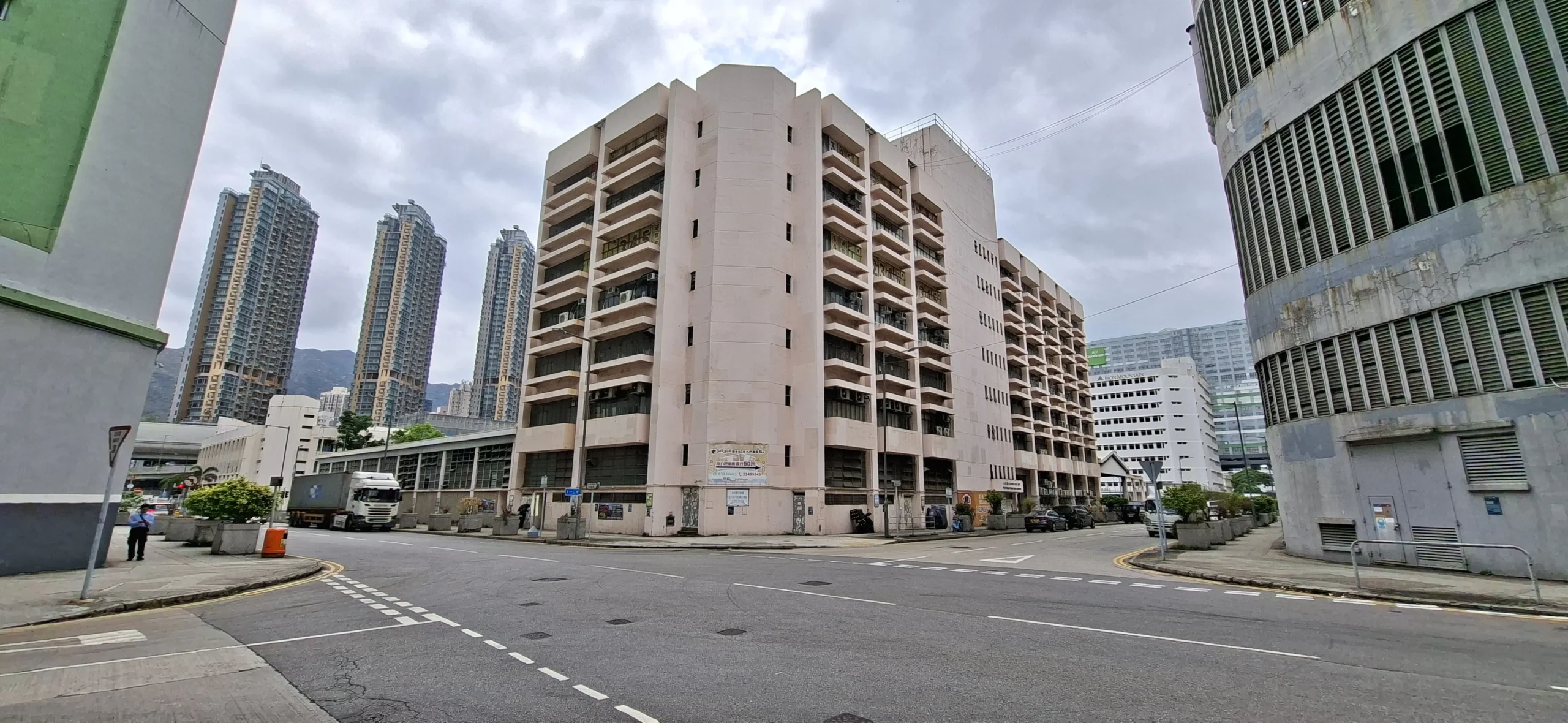
屯門九巴車廠一帶,是香港城市交通系統的重要節點。巴士進出之間,構成一種獨特的節奏,也呈現出工業區日常運作的真實面貌,展現城市背後的運輸力量。
The KMB depot area in Tuen Mun represents a vital node in Hong Kong’s urban transport system. The constant movement of buses creates a distinct rhythm, revealing the everyday reality of industrial zones and the infrastructure that supports city life.
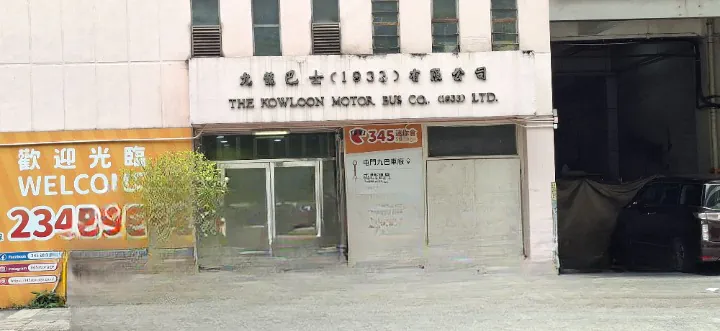
在香港這個以高密度與高效率著稱的城市之中,交通系統幾乎是維繫日常運作的核心,而屯門的九巴車廠,正正是一個能夠具體看見這套系統如何運作的地方。相比起繁忙的市區街道,這裡沒有密集的人群與商業活動,取而代之的是一種更為功能導向的空間。當你走近車廠附近的街道,最先感受到的,是巴士引擎的低沉聲音與規律的進出節奏,一輛接一輛的巴士在指定路線上行駛、停泊、再出發,構成一種幾乎機械化的流動。這種流動並不混亂,而是帶有一種精確的秩序,每一個動作背後都對應著時間表與調度系統。從外觀上看,車廠的建築並不華麗,多以實用為主,大面積的混凝土結構與開放式空間設計,使車輛可以高效率地進出與停泊。這些設計並不追求美學上的突出,但在某種程度上,正是這種功能性構成了一種獨特的城市景觀。當陽光照射在排列整齊的巴士車身上,反射出金屬與玻璃的光澤,畫面會呈現出一種冷靜而有節奏的視覺效果。不同顏色與路線號碼的巴士,像是一個流動中的系統,每一個單位都在執行自己的任務,但同時又共同構成整體。從城市角度來看,這樣的空間往往不被視為「景點」,甚至很少被注意,但它們卻是城市得以正常運作的重要基礎。每天有大量乘客依賴巴士出行,而這些車輛的調度、維修與管理,都在這樣的地方默默進行。這種「看不見的運作」,其實正是城市穩定的關鍵。站在車廠外,你可以觀察到不同時間的變化。清晨時分,巴士陸續駛出,準備投入一天的服務,整個空間帶有一種即將啟動的緊張感;到了中午,車流相對穩定,節奏變得平衡;而在夜晚,巴士逐漸回廠,燈光與陰影交錯,呈現出另一種安靜而收束的氛圍。這種時間上的變化,使同一個場景在不同時刻展現出完全不同的面貌。對於街拍攝影者而言,屯門九巴車廠提供了一種不同於傳統城市景觀的題材。這裡沒有高樓林立的壓迫感,也沒有繁忙商業街的混亂,而是一種以動態與節奏為主的視覺經驗。巴士的移動、排列與停靠,都可以成為構圖的元素,而光影的變化則進一步豐富畫面層次。尤其在傍晚時分,當天空開始轉暗,車廠內的燈光逐漸亮起,巴士的輪廓在光影之中顯得更加清晰,形成一種帶有工業美感的畫面。從更宏觀的角度來看,這樣的空間也反映了香港城市發展的一個側面。工業區與交通設施往往被安排在相對邊緣的位置,但它們卻支撐著整個城市的運作。屯門作為新界西的重要區域,其交通網絡不只是服務本地居民,也連接著其他地區,形成一個更大的系統。九巴車廠正是這個系統中的一個節點,將不同路線與區域連結起來。當我們習慣於把注意力放在繁華的城市中心時,很容易忽略這些看似平凡的地方,但正是這些空間,構成了城市的基礎結構與日常運作。屯門九巴車廠沒有華麗的外表,也沒有歷史建築的光環,但它所呈現的,是一種真實而直接的城市面貌。當你站在這裡,看著一輛輛巴士按著節奏進出,也許會開始意識到,城市的運作並不只是表面的繁榮,而是一個由無數細節與系統共同支撐的結果。
English Version
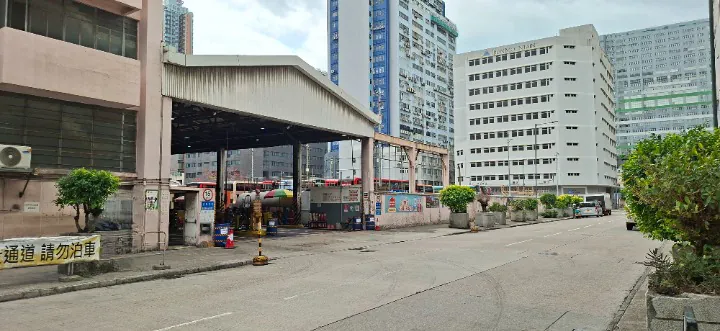
In a city widely recognized for its density and efficiency, transportation systems form the backbone of everyday life, and the KMB depot in Tuen Mun offers a rare opportunity to observe how this system operates behind the scenes. Unlike the crowded streets of urban centers, this area is defined not by commercial activity or pedestrian flow but by functionality and movement, where buses enter and exit in a continuous and carefully coordinated rhythm that reflects the precision of the city’s transport network. Approaching the depot, one becomes aware of the deep mechanical hum of engines and the steady motion of vehicles, each following a predetermined route and schedule, creating a sense of order that feels almost industrial in nature. The architecture of the depot itself is utilitarian, characterized by large concrete structures and open layouts designed to maximize efficiency rather than visual appeal, yet within this practicality emerges a distinct aesthetic shaped by repetition, alignment, and motion. Rows of buses parked in sequence, their surfaces reflecting light differently depending on the time of day, contribute to a visual language that is both structured and dynamic, where each vehicle functions as an individual unit while simultaneously forming part of a larger system. From an urban perspective, spaces like this are often overlooked because they do not fit conventional ideas of landmarks or attractions, yet they are essential to the functioning of the city, supporting the daily movement of thousands of people who rely on buses for commuting and connectivity. The operations that take place here, including dispatching, maintenance, and coordination, remain largely invisible to the public, yet they are crucial to maintaining the reliability and efficiency that define Hong Kong’s transport network. Observing the depot at different times of day reveals how its character changes with time, as early mornings are marked by a sense of anticipation with buses gradually leaving to begin service, midday brings a more stable and balanced rhythm, and evenings introduce a quieter atmosphere as vehicles return and the interplay of artificial lighting and shadow transforms the visual environment. For street photographers, the depot offers an alternative perspective on urban life, shifting the focus away from people and toward systems, movement, and structure, where buses become subjects that embody motion and function rather than mere transportation. The interplay of light and shadow, especially during dusk, enhances the industrial quality of the scene, creating compositions that highlight geometry, repetition, and contrast. On a broader level, the existence of such spaces reflects an important aspect of Hong Kong’s urban development, where industrial and infrastructural zones are positioned at the periphery yet play a central role in sustaining the city’s operations, connecting different districts and enabling mobility across regions. Tuen Mun, as a key area in the western New Territories, serves as a hub within this network, and the KMB depot acts as one of its operational nodes, linking routes and facilitating movement on a larger scale. In a city where attention is often drawn to its skyline and commercial vibrancy, places like this remind us that the true essence of urban life lies not only in its visible landmarks but also in the systems that operate quietly in the background, ensuring that everything continues to function smoothly, and by observing these everyday processes, one can gain a deeper understanding of how the city truly works.