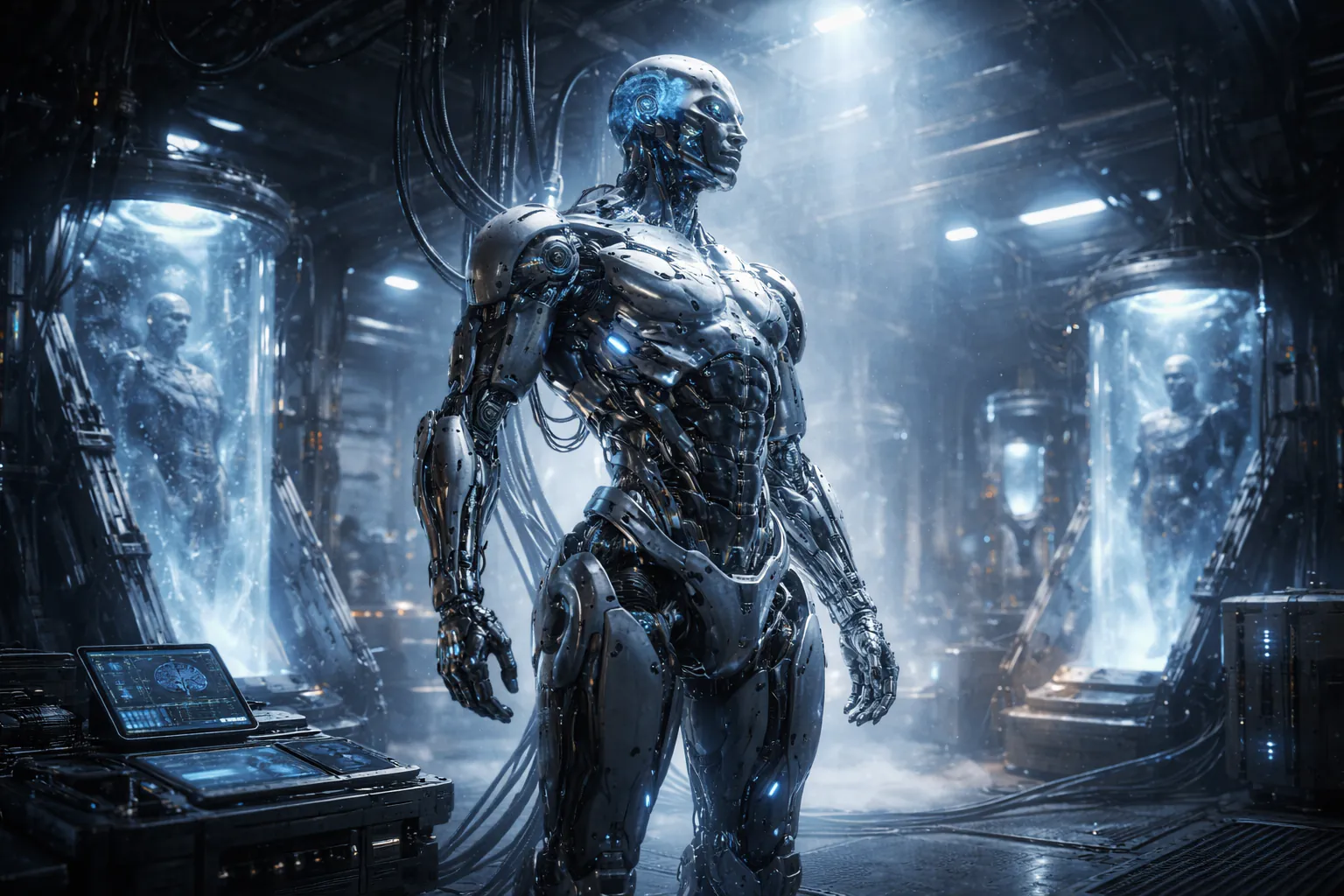
在一個完全自動化的世界裡,機器承擔了所有的勞動,從建造城市到管理醫療、物流與生產,甚至連治理都由人工智慧進行。這樣的社會運作精密而高效,沒有崩潰的風險,也不存在資源短缺的問題。人類不再需要為了生計而工作,生活似乎進入了一個全新的時代。
初期,這樣的社會變革帶來的是解放與歡慶。人們不再需要早起,沒有了截止期限,也不必參加那些冗長且無意義的會議。時間重新回到了個人手中,人們開始追求長久以來被忽略的興趣與愛好。旅行、娛樂、學習新技能成為生活的主旋律,社會似乎邁向了一個理想中的未來。
然而,隨著時間的推移,一種微妙的變化開始浮現。當日常生活中不再有明確的義務時,時間似乎變得模糊不清。一天與一天之間的界線逐漸模糊,星期一與星期日再無區別。這種現象產生了一種奇特的心理效應,讓人們無法感受到時間的流逝,也難以在日常生活中找到節奏。
隨之而來的是一種新的挑戰:當生活不再被工作填滿時,人們開始質疑自己的存在意義。過去,工作不僅是謀生的手段,更是提供個人身份感與社會角色的一種方式。它賦予人們一種貢獻感與成就感。而當這些東西隨著工作的消失而逐漸消退時,人們開始面臨內心的空洞與迷茫。
這種情感上的空虛無法僅靠娛樂來填補。雖然娛樂可以暫時分散注意力,但它並不能提供真正的存在價值。觀看電影、玩遊戲或參加各種活動,雖然能帶來短暫的快樂,但這種快樂缺乏深度,無法滿足人類對意義的追尋。當人類不再被需要時,自我價值感也會隨之削弱,這對整個文明來說,是一個潛在的危機。
此外,在一個由人工智慧全面掌控的社會中,人類的選擇可能變得越來越無關緊要。因為機器能夠通過算法自動修正錯誤、優化效率並解決衝突,人類的參與度將逐漸降低。責任因此被稀釋,讓人類在情感上可能停滯不前。這樣的社會或許能夠運行得更為流暢,但卻可能導致人類失去成長與成熟的動力。
在這樣的背景下,不平等也不會因此消失。相反,它只會以新的形式出現。在沒有工作的世界裡,社會地位不再取決於個人的貢獻,而是基於可見性與影響力。那些能夠掌控文化、敘事與大眾注意力的人,將取代傳統上依靠財富或勞動控制社會的人群。雖然這樣的社會不再有傳統意義上的壓迫,但卻可能以新的方式加劇階層分化。
在這樣一個高度自動化且保護周全的世界裡,人類雖然生活得更長、更安全,但內心卻可能感到前所未有的空虛。失去了掙扎與挑戰,人類的深度可能逐漸消失。我們可能面臨一個永遠不需要成長、不需要承擔後果與責任的文明,而這樣的文明或許會變得情感幼稚、缺乏韌性。
然而,這樣的未來並非不可改變。如果我們能夠有意識地重新定義價值觀,將關懷、創造與守護作為新的核心目標,那麼自動化的世界仍然可以成為一個充滿意義和深度的地方。關鍵在於,我們是否願意主動承擔責任,即使不再被迫如此。
當我們不再需要為生存而工作時,我們應該思考如何讓自己的存在變得有意義。我們可以選擇將時間投入到促進社會福祉、保護環境、促進文化發展等方面,而不是僅僅沉溺於娛樂之中。這需要我們重新審視什麼是值得追求的價值,以及如何在沒有外在壓力的情況下主動承擔起責任。
最終,一個完全自動化的世界可以成為人類文明的一次重大進步,但前提是我們必須做出正確的選擇。如果我們選擇逃避責任,那麼我們可能最終失去自己的深度與意義。但如果我們選擇以價值為核心,積極參與到創造更美好社會的過程中,那麼自動化將真正成為解放人類的一種力量,而非掏空人類存在價值的一種危機。
English Version
In a fully automated world where machines perform all forms of labor, from constructing cities to managing healthcare, logistics, production, and even governance, society would operate with remarkable efficiency and stability, free from resource shortages and economic pressures, and at first this transformation might feel like a long-awaited liberation, as people would no longer need to wake early for work, meet deadlines, or endure repetitive tasks, allowing time to return to the individual and opening space for travel, creativity, learning, and personal exploration, creating the impression of a utopian future where life is no longer defined by necessity but by choice, yet over time a more subtle and complex shift would begin to emerge, as the absence of structured obligations gradually alters the perception of time itself, blurring the distinction between days and eroding the rhythm that once organized human life, making it harder to experience progression, purpose, or even the passage of time in a meaningful way, and alongside this temporal ambiguity arises a deeper psychological challenge, as work has historically provided not only income but also identity, structure, and a sense of contribution, allowing individuals to define themselves through roles, responsibilities, and achievements, so when work disappears entirely, people may begin to question their place in society and the value of their existence, leading to a sense of emptiness that cannot easily be filled by entertainment alone, because while activities such as watching films, playing games, or pursuing hobbies can offer temporary enjoyment, they often lack the depth required to satisfy the human need for meaning, and when individuals feel that they are no longer needed, their sense of purpose may weaken, posing a significant challenge for both individuals and society as a whole, and within such a system where artificial intelligence manages decisions and resolves conflicts, human participation may become increasingly marginal, as algorithms optimize outcomes without requiring human input, gradually reducing the significance of human choice and diluting responsibility, leading to a condition where life becomes easier yet less demanding, and without challenges or consequences the motivation for growth and self-development may diminish, potentially resulting in a society that is stable but emotionally stagnant, and contrary to expectations inequality would not necessarily disappear but instead transform, as status and influence might shift from traditional measures such as labor and wealth to visibility, cultural impact, and control over attention, creating new forms of hierarchy based on who shapes narratives and commands collective focus, and in such a world humans might live longer, safer lives yet feel a profound sense of detachment, as the absence of struggle removes the very conditions that foster resilience, depth, and emotional maturity, raising the possibility of a civilization that no longer needs to grow and therefore gradually loses its capacity for meaning, yet this future is not predetermined, as the outcome depends on how humans choose to redefine value in the absence of necessity, because if individuals consciously adopt new forms of responsibility centered around care, creativity, environmental stewardship, and cultural development, then automation could become a force for genuine human flourishing rather than existential emptiness, requiring a deliberate shift from externally imposed obligations to internally chosen purposes, where people engage not because they must but because they believe in the value of what they do, and ultimately the question is not whether machines can do all the work but what humans will choose to do when they no longer have to, as this moment represents both a risk and an opportunity, where the loss of necessity can either erode meaning or create the space to redefine it, and the future of such a society will depend not on technology itself but on whether humans are willing to take responsibility for shaping a life that remains meaningful even when survival no longer demands it.