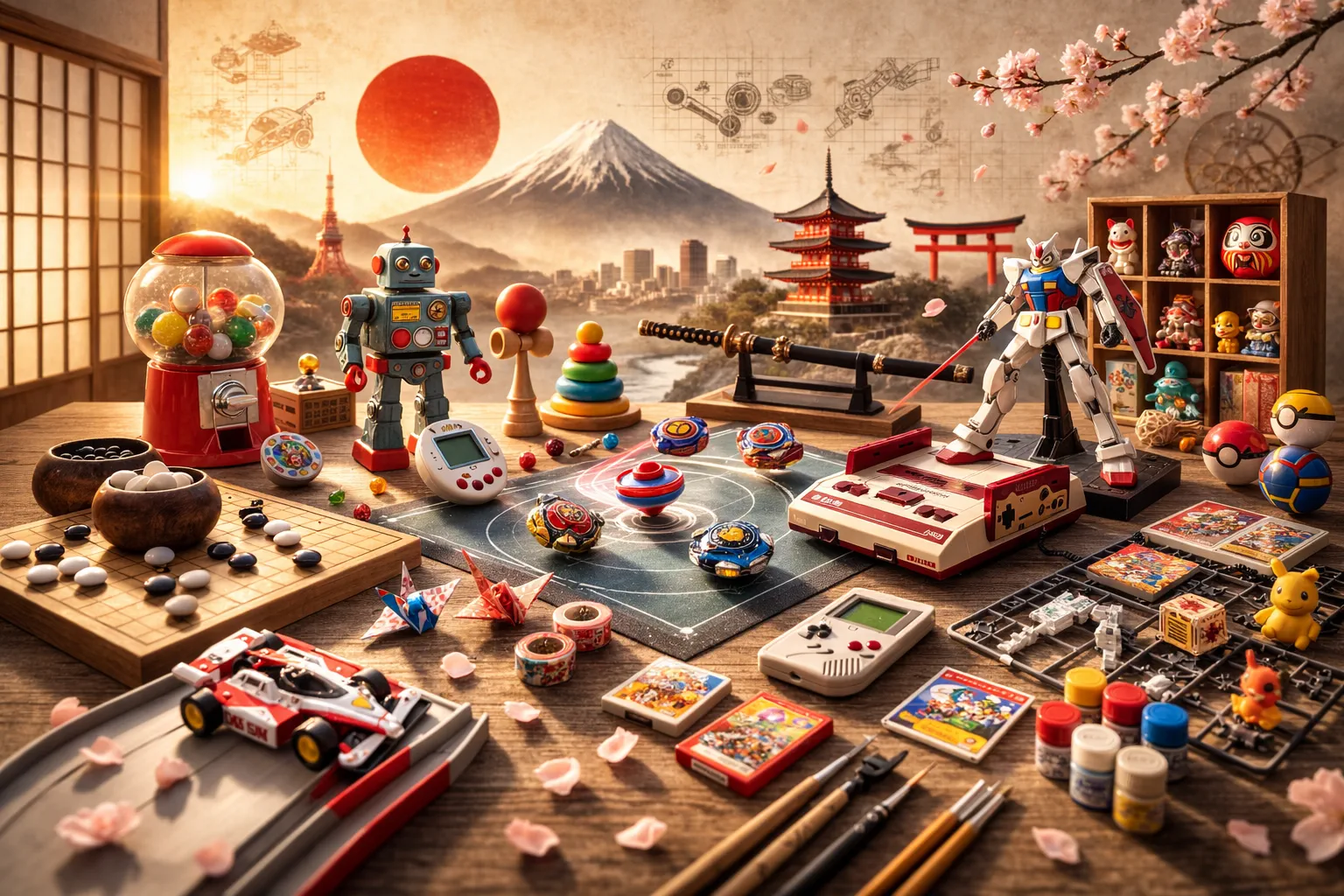
玩具在人類文化中一直扮演著重要的角色,無論是作為兒童成長的工具,還是成人回憶的載體。傳統上,玩具常被視為與童年緊密相關的事物,隨著年齡增長,許多人認為玩具應該被放下。然而,在日本文化中,這條隱形的分界線並不明顯,甚至被重新定義。玩具不再只是兒童的專屬,而是涵蓋了所有年齡層的多樣需求。
以 Tamashii Nations 為代表的成人收藏系列為例,其市場定位明確地針對成年消費者,並且在產品設計與行銷語言中直接表達這一點。不同於傳統兒童玩具強調「好不好玩」或操作上的直觀性,這些收藏級玩具更注重比例的準確性、塗裝的精細度以及關節的自然度。這些特質顯示出,這類玩具的設計初衷是為了滿足成熟用戶在審美與收藏上的需求,而非僅僅提供娛樂。
這種市場定位並非偶然,而是基於對成人需求的深刻理解與回應。成人消費者擁有更多的經濟能力、時間以及對事物的判斷力,他們對玩具的期待不再局限於操作或功能性,而是轉向對細節與完成度的追求。玩具在這樣的情境下,成為了一種可以被欣賞、收藏甚至反覆端詳的藝術品。它們不僅僅是一種物品,更是一種文化符號與情感載體。
在日本玩具市場中,成人收藏系列與兒童玩具被清楚地區分開來。這種分類並非基於價值高低,而是基於功能上的差異。兒童玩具需要考量耐用性、安全性以及操作的直觀性,而成人玩具則可以更加脆弱、精緻,甚至設計為僅供靜態展示。這樣的劃分不僅滿足了不同受眾的需求,也讓每一種玩具都能在其適合的場景中發揮最大價值。
此外,這樣的市場策略也賦予了成年消費者追求玩具興趣的一種正當性。在許多文化中,成年人對玩具的喜愛可能會被視為不成熟或逃避現實,但日本玩具產業通過官方資料與行銷策略,直接承認並支持這一需求。這種支持不僅消除了成年消費者對於興趣的心理壓力,也讓收藏行為成為一種對文化、設計以及記憶的致敬。
成人收藏玩具的出現,也在某種程度上延續了相關作品的生命力。當一部動畫劇集結束播放或電影下檔後,其角色可能會逐漸淡出公眾視野。然而通過玩具,這些角色得以以另一種形式被保留與傳承。收藏玩具作為媒介之間的橋樑,使得人們能夠將對作品的情感延續到更長遠的未來。這種方式不僅滿足了粉絲對角色和故事的懷念,也為產業創造了新的商業模式。
在這樣的文化背景下,成長並不再意味著必須與玩具告別,而是改變了人們與玩具相處的方式。從兒時單純的把玩,到成年後展示於櫃中的珍藏;從以遊戲為主,到以欣賞與研究為重,玩具以不同形式陪伴著人們,見證他們生命中的每一個階段。這種陪伴關係不僅僅是物質層面的存在,更是一種情感上的連結。
日本玩具產業之所以能夠容納如此多層次的需求,正是因為它尊重並理解不同年齡層對於玩具的多樣期望。它沒有要求人們放下童年記憶,而是為不同生命階段的人準備了不同形式與功能的產品。在這樣的產業生態下,玩具不再只是年齡的一部分,而成為人生的一部分。無論是兒童時代的第一個塑膠小人偶,還是成年後精心挑選的限量版模型,每一件玩具都承載著獨特的故事與情感。
整體而言,日本成人收藏玩具市場展現了一種對文化深度與個人情感需求的尊重。它不僅滿足了消費者對於產品品質與設計美學的高標準,也讓玩具成為人們生活中不可或缺的一部分。當一個產業能夠如此細緻地捕捉並回應不同年齡層的需求時,它所創造的不僅是一個市場,更是一種文化現象。這也許正是日本玩具產業能夠持續繁榮的重要原因之一。在未來,我們或許可以期待更多國家與文化也能認識到這一點,讓玩具成為全人類共同的情感紐帶。
English Version
In Japan, the idea that toys are exclusively for children has never been rigidly fixed, allowing a unique cultural environment in which toys designed for adults can flourish as legitimate forms of expression, relaxation, and identity. This perspective is rooted in a broader understanding of play as a lifelong activity rather than a phase that one outgrows, and it reflects cultural values that appreciate craftsmanship, detail, and emotional engagement regardless of age. As a result, the boundary between toys, hobbies, and art becomes fluid, enabling products to be created with adult sensibilities in mind while still retaining the essence of play. One of the key factors behind this phenomenon is the strong presence of hobby culture, where individuals invest time and care into activities such as model building, collecting, and customization. These pursuits often require patience, skill, and attention to detail, aligning with adult interests in mastery and refinement. Toys designed for this audience are therefore not simplified or diluted; instead, they embrace complexity, offering intricate components, advanced mechanics, and high levels of realism. This approach transforms toys into platforms for creativity and personal expression, allowing users to engage deeply with the process of creation and refinement. From a psychological perspective, adult-oriented toys provide a form of stress relief and mental reset, offering a break from the pressures of daily life. Engaging in tactile, focused activities can create a meditative state, where attention is directed toward the task at hand and external concerns are temporarily set aside. This aligns with broader concepts of mindfulness and flow, where individuals experience a sense of immersion and satisfaction through sustained engagement. Unlike passive forms of entertainment, such as watching television or scrolling through digital content, these toys require active participation, making the experience more fulfilling and restorative. Culturally, Japan’s acceptance of adult play is also linked to the integration of popular media and character culture into everyday life. Characters from animation, games, and comics are not confined to childhood but are embraced by audiences of all ages, creating a shared cultural language that transcends generational boundaries. Toys associated with these characters are therefore not seen as childish but as extensions of personal taste and identity. Collecting figures, building models, or engaging with themed products becomes a way of expressing interests and affiliations, similar to how art or fashion might function in other contexts. From a design standpoint, toys for adults often emphasize quality, aesthetics, and narrative depth. Materials are chosen for their durability and finish, details are refined to a high degree of accuracy, and packaging and presentation are carefully considered to enhance the overall experience. This attention to detail reflects a respect for the user, acknowledging that adults seek not only functionality but also meaning and beauty in the objects they engage with. The result is a category of products that blur the line between toy and collectible, offering both interactive and display value. Economically, the development of toys for adults represents a recognition of a diverse market with varying needs and preferences. By expanding beyond a child-focused audience, companies can explore new forms of innovation and storytelling, creating products that appeal to different stages of life. This diversification also contributes to the sustainability of the industry, as it allows for continuous engagement with consumers over time rather than limiting interaction to childhood. In the modern era, where the concept of adulthood itself is evolving, the acceptance of play as a valid and valuable activity has gained broader recognition worldwide. Japanese toy design, with its openness to adult audiences, has influenced global trends, encouraging a reevaluation of how toys are defined and who they are for. Ultimately, the reason Japan designs toys for adults lies in a holistic view of play as an essential aspect of human experience, one that fosters creativity, relaxation, and connection regardless of age. By embracing this perspective, Japanese toy culture creates a space where imagination and craftsmanship continue to thrive throughout life, demonstrating that the joy of play does not diminish with time but instead evolves into new and meaningful forms.