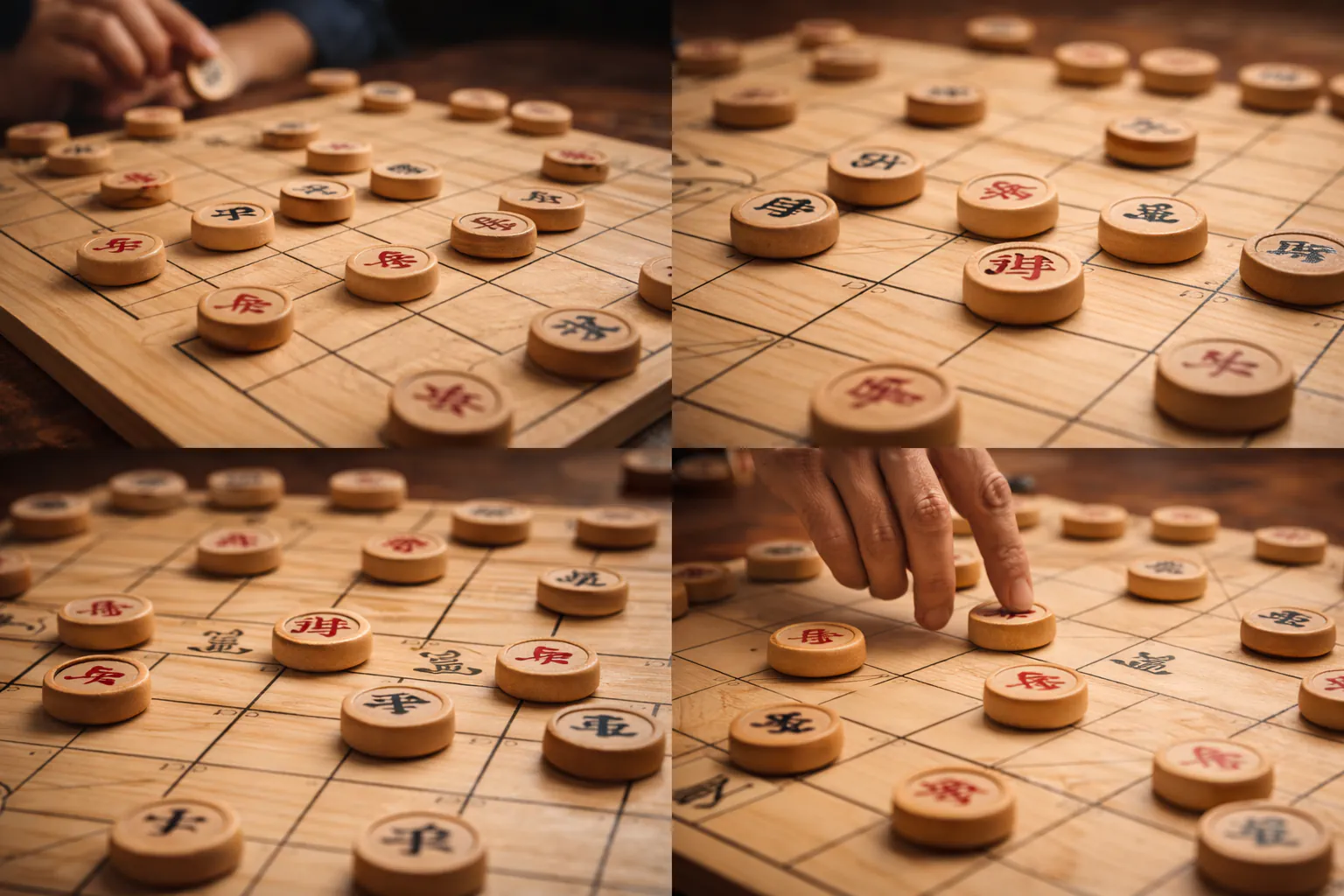
在人類歷史悠久的遊戲之中,象棋是一種充滿智慧與策略的存在。與許多以運氣為主的遊戲不同,象棋幾乎完全依靠思考與判斷。兩名玩家坐在棋盤兩側,每一步棋都可能改變整個局勢。這種高度策略性的玩法,使象棋成為東方文化中最具代表性的棋類遊戲之一。
象棋的棋盤由九條直線與十條橫線組成,中間以一條「河界」分隔兩方陣地。棋子放置在線的交叉點上,而不是格子內。每一方共有十六枚棋子,包括將、士、象、車、馬、炮與兵。不同棋子擁有不同移動方式,使整個遊戲形成複雜而精妙的戰略結構。
遊戲的目標十分明確:將對方的「將」或「帥」逼入無法逃脫的局面。當一方的將被威脅而無法防守時,遊戲便宣告結束。這種設計讓每一局棋都像一場戰爭的縮影。
象棋的起源可以追溯到古代中國。許多學者認為,它源自古代軍事戰術的模擬。棋盤上的布局象徵戰場,而不同棋子則代表不同兵種。例如「車」象徵戰車,「馬」象徵騎兵,「炮」則代表火炮或投石裝置。透過這些角色,玩家在棋盤上模擬軍事行動。
在古代社會,象棋不僅是一種娛樂,也是一種智力訓練。文人與將領常常透過下棋來鍛鍊思考能力。許多歷史故事中,都出現過將軍或謀士在棋局中展現智慧的情節。
象棋的魅力之一,在於其簡潔而深奧的規則。雖然棋子種類不多,但每一種棋子的移動方式都會影響整體策略。例如車可以沿直線快速移動,是攻擊力最強的棋子之一;馬則以特殊方式前進,可以在複雜局勢中穿梭;炮則需要「隔子打子」,形成獨特戰術。
棋盤中央的「河界」也是象棋的重要特色。某些棋子在過河之後能力會改變,例如兵在過河後可以橫向移動。這種設計使遊戲在不同階段呈現不同戰略。
在中國與許多華人社會中,象棋常常出現在街頭、公園或茶館。人們會在桌上擺開棋盤,一邊下棋,一邊聊天。旁觀者也常常圍在旁邊觀看,甚至討論下一步棋。這種場景使象棋不只是遊戲,也是一種社交文化。
對許多孩子而言,學會象棋往往是接觸策略遊戲的第一步。透過觀察棋局與思考下一步,孩子可以培養邏輯能力與耐心。象棋的學習過程可能需要時間,但每一次進步都會帶來成就感。
隨著時代改變,象棋也逐漸進入競技領域。各地舉辦象棋比賽,高手之間的對局往往充滿複雜戰術。頂尖棋手能在短時間內分析大量變化,使棋局呈現出高度精密的策略。
即使在電子遊戲盛行的今天,象棋仍然保持著重要地位。許多人透過手機或電腦與其他玩家對弈,但傳統棋盤仍然具有不可取代的魅力。當棋子落在木製棋盤上時,那種聲音與觸感讓人感受到遊戲的真實存在。
象棋之所以能夠流傳千年,也許正是因為它的深度。規則簡單,卻能產生無數變化。每一局棋都是新的挑戰,每一步棋都可能改變結果。
在那九宮格與河界之間,人們不只是在下棋,也是在進行一場智慧的對話。
而這場對話,已經持續了數千年。
English Version
Chinese Chess, known as Xiangqi, is one of the most enduring and intellectually rich strategy games in the world, with a history that spans over a thousand years and reflects the evolution of Eastern philosophy, military theory, and cultural values. Originating in ancient China, Xiangqi is often regarded as a simulation of warfare, where two opposing sides engage in a battle of tactics, foresight, and adaptability across a structured board that symbolizes a battlefield divided by a river. Unlike Western chess, Xiangqi incorporates unique elements such as the river, which separates the two territories, and the palace, a restricted zone that confines the movement of key pieces, adding layers of strategic depth and positional complexity. Each piece carries not only a functional role but also symbolic meaning rooted in ancient Chinese military hierarchy, including generals, advisors, elephants, horses, chariots, cannons, and soldiers. The interaction between these pieces creates a dynamic system where offense and defense must be carefully balanced, and where even a single miscalculation can lead to irreversible consequences. The cannon, in particular, stands out as a distinctive feature of Xiangqi, requiring an intervening piece to capture, thereby introducing a unique tactical mechanic that distinguishes the game from other chess variants. From a cultural perspective, Xiangqi embodies principles found in traditional Chinese thought, such as balance, harmony, and strategic patience, often associated with philosophical systems like Confucianism and Daoism. The emphasis on positional advantage and gradual pressure reflects a worldview that values long-term planning over immediate gain, encouraging players to think several steps ahead while remaining adaptable to changing circumstances. Historically, Xiangqi was not limited to elite circles but was widely played among common people, making it both an intellectual pursuit and a social activity. It could be found in marketplaces, teahouses, and public squares, where players of different backgrounds would gather to compete, observe, and exchange ideas. This accessibility contributed to its widespread popularity and ensured its transmission across generations. In modern times, Xiangqi continues to thrive as both a casual pastime and a professional competitive discipline, with organized tournaments, ranking systems, and dedicated players who devote years to mastering its complexities. The game has also adapted to digital platforms, allowing it to reach a global audience while preserving its traditional rules and structure. From a cognitive standpoint, playing Xiangqi enhances critical thinking, pattern recognition, and decision-making skills, as players must evaluate multiple variables simultaneously and anticipate their opponent’s intentions. For children, it serves as an educational tool that fosters logical reasoning and concentration; for adults, it offers a mentally stimulating activity that combines challenge with enjoyment. Despite the rise of modern entertainment technologies, Xiangqi remains relevant because it provides a depth of engagement that transcends fleeting trends. Its enduring appeal lies in its ability to transform a simple board and set of pieces into a complex and ever-evolving battlefield of ideas. Each game becomes a narrative of conflict and resolution, shaped by the choices and creativity of the players involved. As a cultural artifact, Xiangqi stands as a testament to the intellectual traditions of East Asia, bridging past and present through a shared language of strategy and competition. It reminds us that true mastery is not achieved through speed alone, but through patience, insight, and the continuous pursuit of understanding, making it not just a game, but a reflection of human thought and ingenuity.