
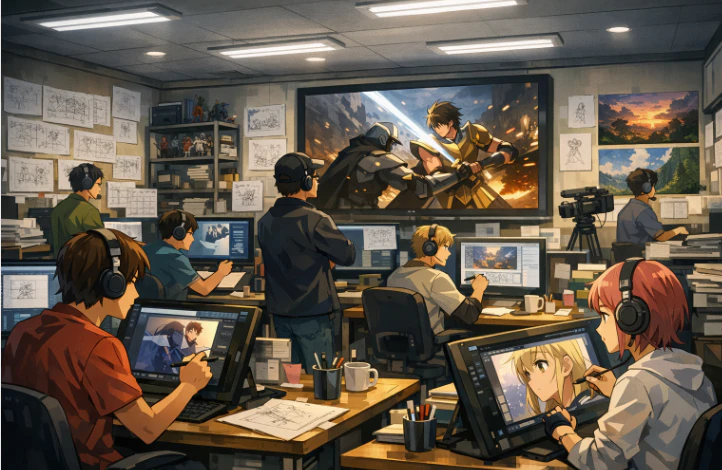
動畫與漫畫之間,從來都唔係輸贏 | Anime and Manga: A Relationship Beyond Winning or Losing 【動漫遊】008
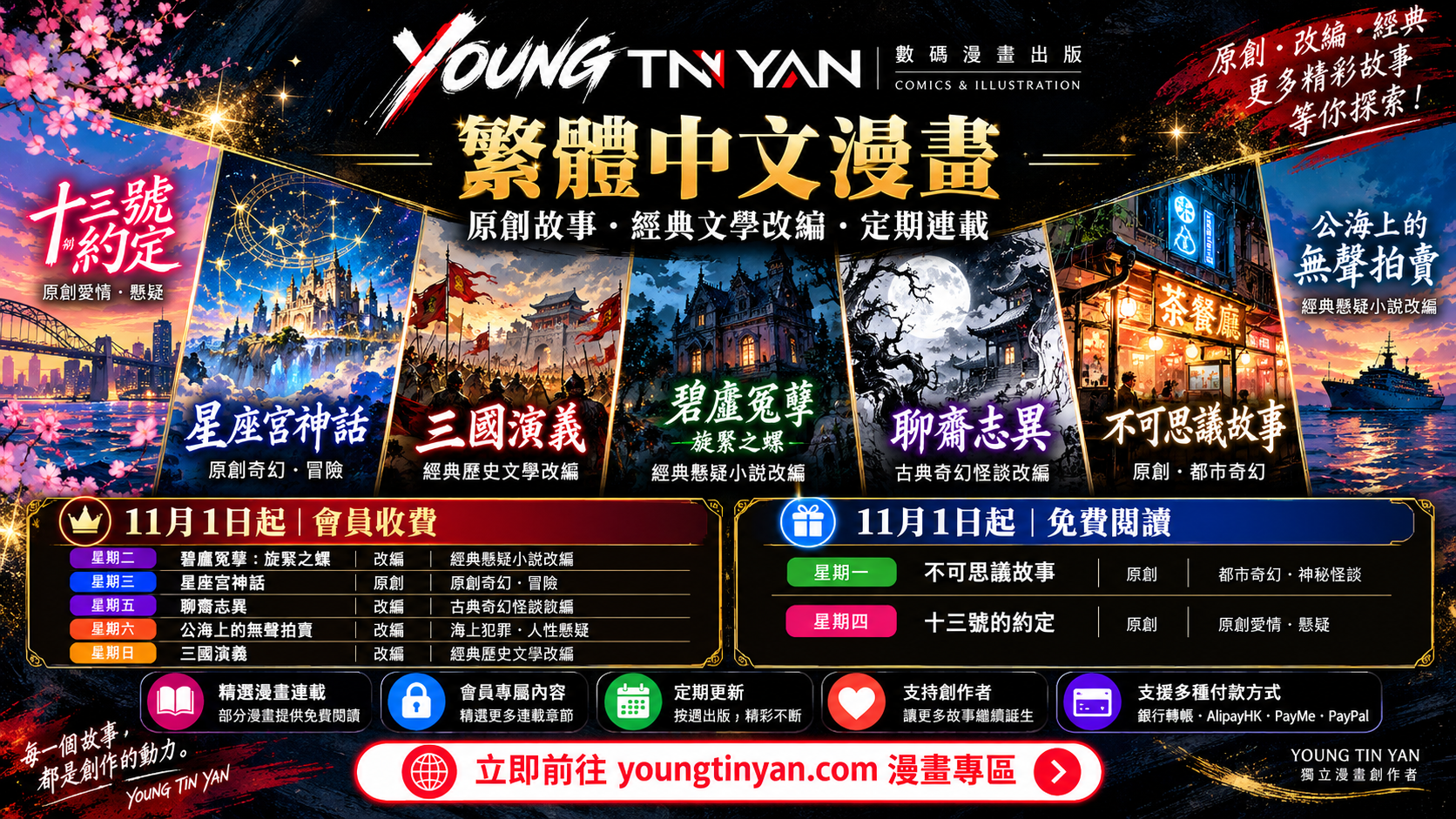
漫畫與動畫作為兩種重要的敘事媒介,各自擁有獨特的表現形式與魅力。漫畫以靜態畫面與文字結合,賦予讀者極大的想像空間。讀者可以根據自己的節奏翻閱,停留於某一格畫面,細細品味其中的細節與情感。漫畫的留白處,為讀者提供了思維的延展空間,讓每個人都能在其中找到屬於自己的詮釋。
Anime and manga have always been closely connected, yet they are often compared as if one must surpass the other. In reality, their relationship is not about competition, but collaboration—two forms of storytelling that influence and enrich each other across time.
然而,動畫則是另一種截然不同的敘事體驗。動畫的時間軸由創作者掌控,節奏、情感的高低起伏皆由導演精心設計。從角色的語調到背景音樂的節拍,動畫以視聽元素的結合,創造出一種沉浸式體驗。聲音與音樂的加入,使角色更加立體,情感更加具象化,觀眾被帶入一個有別於靜態漫畫的動態世界。
當漫畫被改編為動畫時,挑戰在於如何在不同媒介之間找到平衡。成功的改編並非僅僅將漫畫逐格搬上螢幕,而是需要重新審視故事在時間流動中的呈現方式。原作的節奏、情感與敘事重點需要被重新梳理,以符合動畫媒介特性。例如,《ONE PIECE》的動畫改編需要在忠於原作的基礎上,兼顧節奏的調整與情感的放大,使觀眾能夠更直觀地感受到角色的冒險精神與情感張力。
對觀眾而言,漫畫與動畫並非互相取代,而是互補的存在。許多人透過動畫接觸故事,再回到漫畫中探索更多細節;或者在閱讀漫畫後,選擇觀看動畫以感受聲音與動態效果。這種來回切換的過程,不僅豐富了觀眾的體驗,也讓他們更能欣賞兩種媒介各自的優勢與局限。
最終,漫畫與動畫之間的選擇,取決於觀眾當下的需求與心情。如果渴望自主掌控節奏,細細品味故事細節,那麼漫畫是最佳選擇;而若想被引領進入一個充滿視聽刺激的世界,動畫則更為合適。這兩種形式並非對立,而是以不同方式講述同一個故事,共同陪伴觀眾度過一段美好的時光。
English Version
The relationship between anime and manga is often framed as a comparison, with discussions centered on which medium is better, more authentic, or more successful. However, this perspective overlooks the deeper reality that anime and manga have never existed in opposition. Instead, they form a dynamic and interdependent relationship, where each medium influences, supports, and expands the other. Their connection is not defined by competition, but by collaboration, creating a continuous cycle of creative exchange that has shaped the evolution of both forms. Manga, as a print medium, offers a level of creative freedom that allows authors to explore ideas without the immediate constraints of animation production. Artists can experiment with pacing, panel composition, and visual storytelling in ways that are uniquely suited to the page. This flexibility enables manga to develop complex narratives and distinctive artistic styles, often serving as the foundation for future adaptations. When a manga gains popularity, it frequently becomes the source material for anime, providing a ready-made story and an established audience. Anime, on the other hand, brings these stories into motion, adding new dimensions through sound, color, and performance. Voice acting, music, and animation create a multisensory experience that can enhance emotional impact and broaden accessibility. While anime may adapt existing manga, it is not limited to replication. Directors and production teams interpret the source material, making creative decisions that can reshape pacing, emphasize certain themes, or introduce original elements. This process transforms the story, allowing it to exist in a new form that complements rather than replaces the original. The interplay between these two mediums can be seen in works influenced by creators such as Osamu Tezuka, whose contributions bridged the gap between manga and animation. Through projects like Astro Boy, Tezuka demonstrated how stories could move fluidly between page and screen, establishing a model that continues to shape the industry. His approach highlighted the strengths of each medium while showing how they could work together to create a cohesive storytelling ecosystem. The differences between anime and manga also contribute to their unique identities. Manga often allows for a more intimate and controlled reading experience, where the pace is determined by the reader. This can create a deeper sense of immersion, as readers engage directly with the artwork and narrative at their own rhythm. Anime, in contrast, presents a shared and time-based experience, guiding the audience through the story with carefully timed visuals and audio. This structure can create a stronger sense of immediacy and emotional intensity, particularly in key moments. The modern media landscape has further strengthened the connection between anime and manga. With platforms such as Netflix and Crunchyroll making anime widely accessible, successful adaptations can drive interest back to their manga origins, creating a cycle of mutual reinforcement. At the same time, manga continues to serve as a testing ground for new ideas, with creators exploring concepts that may later be expanded through animation. This ongoing exchange ensures that both mediums remain vibrant and evolving. It is also important to recognize that anime and manga can diverge in meaningful ways. Differences in pacing, tone, or narrative structure can lead to distinct interpretations of the same story. Rather than diminishing either medium, these differences highlight their creative potential. Each version offers a unique perspective, inviting audiences to engage with the story from multiple angles. This diversity enriches the overall experience, allowing for deeper exploration of characters and themes. Ultimately, the relationship between anime and manga is not about determining which is superior, but about understanding how they complement each other. They are two expressions of the same creative impulse, each with its own strengths and possibilities. Together, they form a broader narrative landscape that continues to grow and evolve. By moving beyond the idea of competition, we can appreciate the ways in which anime and manga collaborate to create stories that resonate across different forms and audiences.