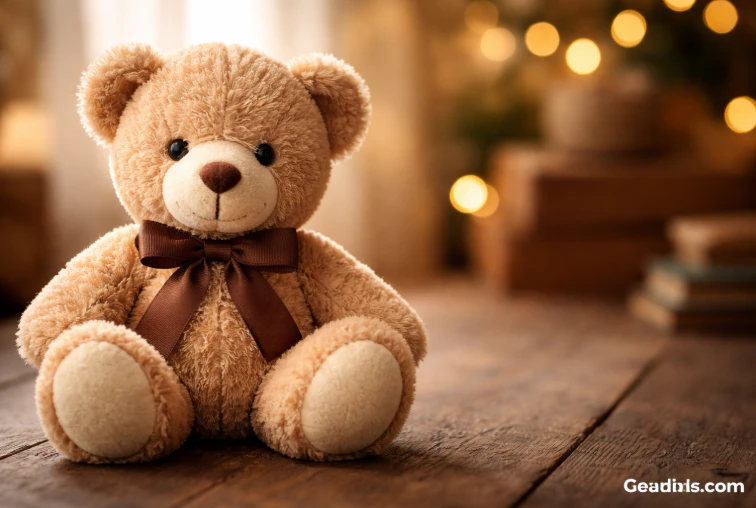
泰迪熊源自一場與美國總統相關的故事,從獵熊事件演變成全球最具代表性的玩具之一,象徵溫暖與陪伴。
The teddy bear originated from a story involving a U.S. president and evolved into one of the world’s most beloved toys, symbolizing comfort and companionship.
泰迪熊(Teddy Bear)是全球最具代表性的毛絨玩具之一,其誕生與一段歷史事件密切相關,故事可追溯至1902年的美國,當時的美國總統西奧多·羅斯福在一次密西西比州的狩獵活動中,被安排射殺一隻已被綁住的小熊,但他認為這樣的行為不夠公平且違反狩獵精神,於是拒絕開槍,這個舉動被媒體廣泛報導並以漫畫形式呈現,小熊的形象因此深入人心,而「Teddy」正是羅斯福總統的暱稱,這個故事迅速引起民眾關注,也成為泰迪熊誕生的契機,不久之後,一位名叫莫里斯·米奇托姆的紐約玩具商受到這則新聞啟發,設計並製作了一隻毛絨小熊,並命名為“Teddy’s Bear”,這款玩具很快在市場上大受歡迎,甚至獲得羅斯福本人同意使用其名稱,另一方面,在德國,一家公司同樣獨立發展出類似的毛絨熊玩具,其中最著名的是史泰福公司,其創辦人瑪格麗特·史泰福最初是為了克服自身身體不便而開始設計布偶,她的侄子理查德·史泰福則進一步設計出可動關節的熊玩具,使其更具生命感與可玩性,這種設計也在1903年於萊比錫玩具展中獲得巨大成功,德國與美國兩地的創新幾乎同時誕生,最終共同奠定了泰迪熊的全球地位,隨著時間推移,泰迪熊逐漸從單純的兒童玩具轉變為文化象徵,它代表的不只是可愛與童年,更是一種情感寄託,許多人在成長過程中都擁有一隻屬於自己的泰迪熊,它陪伴著孤單的夜晚、安撫情緒、甚至成為記憶的承載物,在心理學研究中,泰迪熊也被視為「過渡性物品」,幫助兒童在依附關係中建立安全感,此外,泰迪熊在不同文化中亦被賦予不同意義,例如在西方文化中,它常象徵純真與愛,而在某些亞洲地區,則可能被視為禮物與祝福的象徵,泰迪熊的設計也隨著時代不斷演變,從最初簡單的棕色布偶,到如今各式各樣的造型、顏色與材質,甚至延伸出收藏級別的藝術作品,一些限量版泰迪熊更具有極高的收藏價值,在拍賣市場中屢創高價紀錄,除了實體玩具之外,泰迪熊也頻繁出現在文學、電影與動畫作品中,例如經典角色小熊維尼等,都進一步鞏固了泰迪熊在全球文化中的地位,現代社會中,泰迪熊不再只是兒童的專屬,它同樣受到成年人喜愛,成為療癒、裝飾甚至品牌象徵的一部分,從一場拒絕射殺小熊的決定開始,泰迪熊走過百年歷史,從政治事件轉化為溫暖象徵,跨越文化與世代,成為人類情感中最柔軟的一部分,它不僅是一件玩具,更是一段歷史、一種文化,以及一份無聲卻深刻的陪伴
English Version
The teddy bear is one of the most iconic plush toys in the world, and its origin is closely tied to a historical event that dates back to 1902 in the United States, during a hunting trip in Mississippi involving President Theodore Roosevelt, who was invited to shoot a bear that had already been captured and tied to a tree, however, Roosevelt refused to kill the helpless animal, considering it unsportsmanlike and unethical, this moment was widely reported in newspapers and illustrated in political cartoons, quickly capturing public attention, the small bear depicted in the cartoon inspired sympathy and curiosity, and since “Teddy” was Roosevelt’s nickname, the story became the foundation for the name “Teddy Bear,” shortly after, a New York shop owner named Morris Michtom was inspired by the story and created a stuffed toy bear, which he displayed in his shop window labeled “Teddy’s Bear,” the toy became an instant success, and with Roosevelt’s permission, the name was officially adopted, at the same time in Germany, a parallel development was taking place, led by the Steiff company, founded by Margarete Steiff, who began making soft toys despite physical challenges, her nephew Richard Steiff later designed a bear with movable joints, making it more lifelike and interactive, this design debuted at the Leipzig Toy Fair in 1903 and achieved remarkable success, these independent yet simultaneous innovations in the United States and Germany together established the global popularity of the teddy bear, over time, the teddy bear evolved beyond a simple children’s toy into a powerful cultural symbol, representing warmth, comfort, and emotional attachment, for many people, a teddy bear is a childhood companion that provides reassurance during lonely nights and serves as a keeper of memories, in psychology, it is often considered a “transitional object,” helping children develop a sense of security and independence, culturally, the teddy bear carries different meanings across regions, in Western societies it often symbolizes innocence and love, while in parts of Asia it is commonly associated with gifting and blessings, the design of teddy bears has also evolved significantly, from simple brown stuffed figures to a wide variety of styles, colors, and materials, including collectible and artist-designed pieces, some limited-edition teddy bears have even reached high values in auctions, beyond physical toys, teddy bears have also appeared in literature, films, and animations, with famous characters such as Winnie-the-Pooh reinforcing their cultural significance worldwide, in modern society, teddy bears are no longer limited to children, they are embraced by adults as well, serving as decorative items, emotional comfort objects, and even brand symbols, from a single act of compassion by a president to a globally cherished icon, the teddy bear has journeyed through more than a century of history, transforming from a political anecdote into a universal symbol of tenderness and companionship, transcending cultures and generations, it is not just a toy but a piece of history, a cultural artifact, and a silent yet profound source of comfort