
【街道筆錄】寶靈街:佐敦夜市與廟街文化交織的城市街道|Bowring Street: The Cultural Crossroads of Temple Street Night Market in Jordan
寶靈街位於九龍佐敦,鄰近廟街夜市,是融合草根生活與市井文化的重要街道由日間市場到夜晚熱鬧景象,展現香港庶民文化與城市活力
Bowring Street in Jordan Kowloon sits beside the famous Temple Street Night Market offering a vivid blend of grassroots life street commerce and cultural vibrancy transforming from a daytime street into a lively evening hub it reflects the spirit of everyday Hong Kong
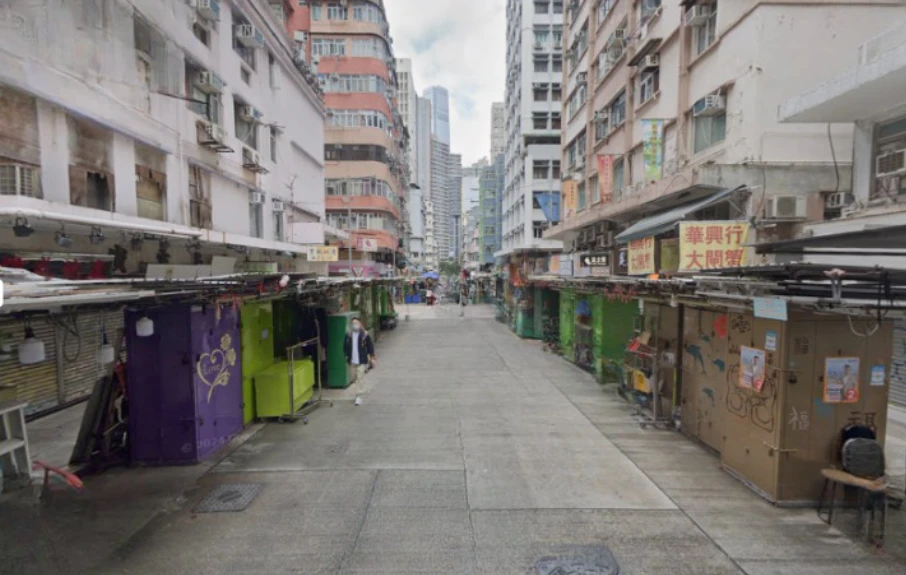
寶靈街位於九龍佐敦,連接廟街一帶,是香港最具代表性的市井街道之一其名稱源自英國殖民時期官員命名制度,反映城市早期規劃歷史這條街道的發展與九龍半島的城市擴張密切相關,特別是在二十世紀初,隨著人口增加與交通改善,佐敦逐漸由邊緣地區轉變為人口密集的住宅與商業區寶靈街亦在這一過程中形成,成為連接住宅與市集的重要通道日間的寶靈街以民生商業為主,小型店舖、餐廳與街市活動構成了濃厚的生活氣息居民在此購買日用品、用餐與社交,展現出典型的香港社區節奏然而當夜幕降臨,街道氛圍隨即轉變,與鄰近的廟街夜市融為一體形成熱鬧的夜間經濟景象各式攤販販售商品,從服飾、電子產品到地道小食,應有盡有街頭表演者、算命攤與燈光交織,營造出獨特的文化氛圍這種由日轉夜的轉換,使寶靈街成為觀察香港城市生活節奏的重要場所同時,這裡亦保留了不少舊式建築與街道布局,反映戰後香港快速發展下的居住模式與城市密度近年來,雖然部分地區受到重建與現代化影響,但寶靈街仍維持相當程度的原有面貌,保留著濃厚的人情味與歷史痕跡其鄰近油麻地與尖沙咀,交通便利,使這條街道不僅服務本地居民,也成為旅客體驗香港地道文化的重要入口寶靈街不只是街道,更是一個充滿聲音氣味與故事的城市舞台,在這裡可以看到香港最真實的一面
English Version
Bowring Street is located in Jordan on the Kowloon Peninsula closely connected to the vibrant Temple Street area and stands as one of the most expressive representations of grassroots urban culture in Hong Kong the street’s name originates from the British colonial naming system reflecting the administrative and spatial organization of the city during its early development its growth is closely tied to the expansion of Kowloon in the early twentieth century when increasing population density infrastructure improvements and economic activity transformed the district from a peripheral settlement into a densely populated residential and commercial zone Bowring Street emerged as a key connector within this evolving urban fabric linking housing clusters with marketplaces and public life during the daytime the street presents a relatively ordinary yet deeply local scene characterized by small businesses eateries and everyday transactions that define neighborhood living residents move through familiar routines purchasing necessities sharing meals and engaging in casual social interactions that create a strong sense of community however as evening approaches the character of the street shifts dramatically merging with the energy of the nearby Temple Street Night Market and becoming part of a larger nocturnal economy illuminated by neon lights and filled with the sounds of bargaining conversation and performance vendors line the streets offering a wide array of goods ranging from clothing and electronics to traditional street food while fortune tellers and street performers contribute to an atmosphere that is both lively and culturally distinctive this transformation from a functional daytime street to a vibrant nighttime marketplace illustrates the dynamic rhythm of Hong Kong where space is continuously redefined according to time and use Bowring Street also retains elements of its historical built environment including older residential buildings and compact street layouts that reflect post war urban development and the need to accommodate a rapidly growing population despite pressures from redevelopment and modernization the area continues to preserve much of its original character maintaining a sense of authenticity and human scale that is increasingly rare in the city its proximity to Yau Ma Tei and Tsim Sha Tsui ensures high accessibility attracting not only local residents but also visitors seeking to experience the everyday culture of Hong Kong beyond its commercialized landmarks Bowring Street is therefore more than just a physical street it functions as a living stage where the sensory and social dimensions of the city are fully expressed through sound movement light and interaction offering an immersive glimpse into the layered identity of Hong Kong