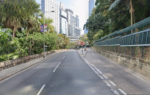
在香港中環山坡密集的街道之中,亞厘畢里是一條歷史悠久而具有代表性的道路。這條街位於中環與半山之間,連接皇后大道中與堅道一帶,是香港早期城市發展時期形成的重要山坡街道之一。
今天的亞厘畢里雖然不算寬,但沿街分佈著辦公樓、住宅與歷史建築,構成典型的中環山城景觀。然而若回到十九世紀中葉,這條街道的出現其實與香港殖民政府建立行政與住宅區密切相關。1841年英國佔領香港島後,殖民政府開始在港島北岸建立維多利亞城。最早的城市發展集中在海旁一帶,例如皇后大道與德輔道附近,這些地方主要用作商業與港口活動。而山坡地帶則逐漸發展為住宅區與行政設施。亞厘畢里正是在這樣的城市規劃下形成。街道名稱「Arbuthnot Road」來自十九世紀英國殖民官員亞厘畢(Sir Alexander Arbuthnot),他曾在香港殖民政府任職,因此街道命名也反映當時殖民行政體系在城市中的影響。由於中環地形多山,城市街道往往沿著山坡而建。亞厘畢里正是一條典型的山坡街道,道路由低處的商業區逐漸向上延伸至住宅區。這種城市格局在香港十分常見:山腳集中商業與港口活動,而山坡則形成住宅與行政區。十九世紀後期,隨著香港港口經濟迅速發展,中環逐漸成為遠東重要的商業中心。銀行、洋行與貿易公司在山腳的商業區設立辦公室,而山坡街道則逐漸出現住宅與辦公建築。亞厘畢里因此成為連接這兩種城市空間的重要道路。若從城市文化角度觀察,亞厘畢里同樣反映香港中西文化交織的特色。街道名稱源自英國殖民官員,而街道上的生活則由本地居民與商人構成。沿街可以看到不同時期的建築,例如舊式唐樓與現代商業大廈並存。這種新舊交錯的景觀在中環十分常見,也反映香港城市快速發展的歷史。到了二十世紀中葉,香港經濟迅速成長,中環逐漸成為金融與商業中心。許多企業與機構在附近設立辦公室,使整個地區更加繁忙。然而亞厘畢里仍然保持山坡街道的特徵,道路曲折而略帶坡度,與山腳的平坦街道形成對比。今天的亞厘畢里既是一條交通道路,也是一條城市歷史的見證。從十九世紀的殖民行政街道,到現代都市的一部分,它見證了香港城市發展的一百多年歷史。當人們沿著這條山坡街道行走時,也同時在閱讀香港城市形成的過程。城市的故事往往不只存在於著名地標之中,也存在於這些看似普通的街道之間。亞厘畢里正是一條記錄香港城市發展的重要道路。
English Version
Arbuthnot Road runs along the mid-level slopes between Central and the Mid-Levels on Hong Kong Island, forming one of the historically significant hillside streets that illustrate the city’s early urban planning and colonial administrative structure, and while today it appears as a relatively modest yet active road lined with a mixture of office buildings, residential structures, and remnants of older architecture, its origins are deeply connected to the formative period of Hong Kong’s development following its establishment as a British colony in 1841, when Victoria City began to emerge along the northern coastline and a distinct spatial hierarchy developed between the commercial waterfront and the elevated hillside zones, with the former dedicated to trade and port-related activities and the latter gradually designated for administrative functions and residential use, creating a layered urban form that continues to define Hong Kong’s geography; within this context, Arbuthnot Road was established as a key connector between these two zones, linking the bustling commercial areas around Queen’s Road Central with the quieter residential and administrative districts further uphill, and its name, derived from Sir Alexander Arbuthnot, a British colonial official, reflects the broader practice of embedding imperial authority within the city’s street network, where naming served not only as identification but also as a symbolic extension of governance; the physical characteristics of the road are closely tied to Hong Kong’s mountainous terrain, with its winding alignment and gradual incline reflecting the necessity of adapting infrastructure to natural topography, and this creates a distinct urban experience in which movement along the street involves a transition not only in elevation but also in function and atmosphere, as one moves from the dense, commercial intensity of Central toward the comparatively quieter and more residential Mid-Levels; during the late nineteenth and early twentieth centuries, as Hong Kong’s port economy expanded and Central solidified its position as a major commercial hub in the region, Arbuthnot Road became increasingly important as a route facilitating interaction between different urban zones, with businesses, residences, and administrative functions coexisting along its length, contributing to a diverse and layered streetscape that reflected the city’s rapid growth; architecturally, the road presents a juxtaposition of old and new, where traditional tong lau buildings and earlier structures stand alongside modern developments, illustrating the continuous process of redevelopment that characterizes Hong Kong’s urban evolution while maintaining the underlying street pattern established more than a century ago; culturally, Arbuthnot Road embodies the hybrid identity of Hong Kong, where its colonial-era name coexists with the lived experiences of local residents, office workers, and visitors, highlighting the way in which imported systems of governance and planning have been adapted into a distinctly local context over time; throughout the day, the street accommodates a steady flow of pedestrians and vehicles, serving both as a practical route and as a space where everyday urban life unfolds, while its hillside setting and relatively narrower scale provide a contrast to the wide, heavily trafficked roads below, reinforcing the diversity of spatial experiences within a compact city; as Hong Kong continued to develop through the twentieth century into a global financial center, the areas surrounding Arbuthnot Road became increasingly integrated into the broader commercial network of Central, yet the road itself retained its identity as a transitional space, bridging different layers of the city both physically and functionally; ultimately, Arbuthnot Road is more than a simple hillside street, it is a living record of Hong Kong’s urban formation, reflecting the interplay between geography, colonial administration, economic expansion, and cultural adaptation, and in walking along it, one encounters not only a path through the city but also a narrative of how Hong Kong has grown, adapted, and continuously redefined itself across generations.