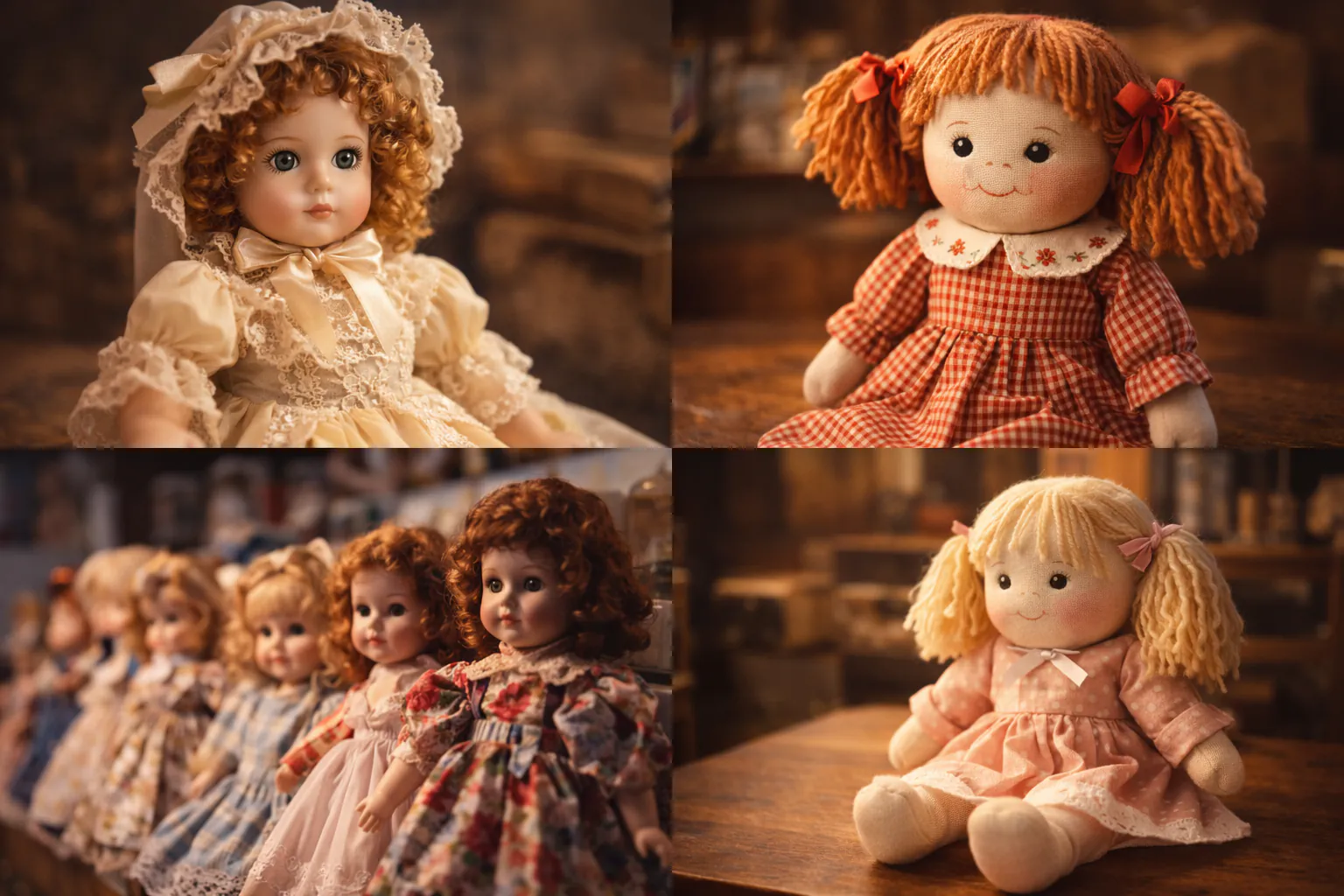
在人類的玩具歷史中,很少有玩具像洋娃娃一樣長久而普遍。無論是在歐洲、亞洲或美洲,人們都曾製作過各式各樣的人形玩具。這些娃娃有時是布製的,有時是木製或陶瓷製作,但它們的核心功能始終相同:陪伴孩子的成長。
洋娃娃之所以特別,是因為它模仿了人的形象。當孩子抱著一個娃娃時,很自然會把它當成朋友、家人或孩子來照顧。這種角色扮演的遊戲,使洋娃娃成為許多孩子童年中最重要的玩具之一。
最早的人形玩具可以追溯到古代文明。在古埃及與古希臘的遺址中,考古學家曾發現簡單的人形娃娃。有些由木頭雕刻而成,有些則由布料與草繩製作。這些娃娃可能同時具有玩具與宗教象徵的功能。
隨著時間推移,娃娃逐漸變得更加精緻。到了十八與十九世紀,歐洲開始出現大量製作的洋娃娃。當時的娃娃多以陶瓷或瓷器製作頭部,再搭配布製或木製身體。這些娃娃的臉部表情細緻,服裝也模仿當時的流行服飾。
對於許多家庭而言,洋娃娃不只是玩具,也是展示手工藝與服裝設計的一種方式。有些娃娃甚至會配備不同衣服與配件,讓孩子可以替娃娃更換服裝。這種玩法使遊戲變得更加多樣。
到了二十世紀,塑膠材料的出現改變了洋娃娃的製作方式。塑膠既輕巧又耐用,使娃娃可以大量生產,也更適合孩子日常玩耍。娃娃的造型也開始變得更加多元,從嬰兒娃娃到時尚娃娃,各種角色不斷出現。
其中一種常見的類型是嬰兒娃娃。這類娃娃通常模仿嬰兒的外貌與姿勢,孩子可以抱著它、餵食或替它換衣服。透過這些互動,孩子會模仿成人照顧孩子的行為,從而學習關懷與責任。
另一種流行類型則是時尚娃娃。這些娃娃通常擁有精緻服裝與配件,並且可以更換不同造型。孩子可以透過替娃娃設計服裝與場景,發揮自己的想像力與創意。
洋娃娃的文化意義也隨著時代改變。在不同國家,人們會製作具有地方特色的娃娃,例如穿著民族服裝或代表當地文化的形象。這些娃娃不僅是玩具,也成為文化象徵與紀念品。
在收藏世界裡,某些洋娃娃甚至具有藝術價值。手工製作的娃娃常常需要精細雕刻與繪畫,因此被視為藝術品。有些收藏家會專門收集古董娃娃,並研究不同年代的製作技術與設計風格。
對孩子而言,洋娃娃最大的意義往往不是外觀,而是陪伴。許多人在童年時都有一個特別的娃娃,無論是睡覺、旅行或玩耍,都會帶在身邊。這些娃娃往往承載著孩子的情感與記憶。
在科技玩具日益增加的今天,洋娃娃依然沒有消失。即使電子遊戲與數位娛樂改變了許多人的生活,人形玩具仍然保留著獨特魅力。當孩子抱著娃娃時,遊戲不再只是觀看,而是透過想像與情感建立一個小小世界。
也許正因為這種情感連結,洋娃娃才能在人類歷史中持續存在。從古代簡單的布娃娃,到今天精緻多樣的設計,它始終扮演著同一個角色。
那就是孩子童年裡,最安靜卻最長久的朋友。
English Version
Dolls are among the oldest and most universal forms of toys, representing far more than simple play objects; they serve as emotional companions, cultural symbols, and tools for imagination that have accompanied human childhood across centuries and civilizations. From ancient figurines made of clay, wood, or cloth to modern mass-produced dolls with intricate designs, the evolution of dolls reflects both technological progress and shifting social values. At their core, dolls are human representations, often simplified yet expressive, allowing children to project feelings, roles, and narratives onto them. This ability to embody both self and other makes dolls uniquely powerful in early development, as they provide a safe space for children to explore identity, relationships, and emotions. Through play, children may care for dolls as if they were real beings, imitating behaviors they observe in their environment, such as nurturing, communication, and social interaction. This form of role-playing contributes significantly to emotional intelligence, empathy, and cognitive growth, as it encourages children to understand perspectives beyond their own. Historically, dolls have carried cultural meanings that extend beyond play. In many societies, they were used in rituals, storytelling, or as symbolic objects representing ideals of beauty, morality, or social roles. Traditional dolls often reflect regional clothing, customs, and craftsmanship, preserving cultural identity in tangible form. For example, handcrafted dolls in various parts of the world showcase local materials and artistic styles, turning each piece into both a toy and a cultural artifact. In Japan, hina dolls used during the Hinamatsuri festival represent historical court figures, while in Europe, porcelain dolls once symbolized elegance and status. These variations demonstrate how dolls can act as vessels of tradition, connecting generations through shared visual language and meaning. In the modern era, dolls have diversified in form and function, ranging from realistic baby dolls to fashion dolls, action figures, and character-based designs inspired by media and popular culture. This diversity reflects broader societal changes, including evolving ideas about identity, representation, and inclusivity. Contemporary dolls increasingly aim to represent different backgrounds, appearances, and experiences, allowing children to see themselves reflected in their toys and expanding the possibilities of imaginative play. At the same time, the commercialization of dolls has introduced new dynamics, as branding, storytelling, and media integration shape how children engage with these objects. Despite these changes, the fundamental appeal of dolls remains rooted in their capacity to foster connection and creativity. From a psychological perspective, dolls often become transitional objects, providing comfort and stability during early stages of development. They can help children cope with new experiences, express emotions that may be difficult to articulate, and build a sense of security in unfamiliar situations. This emotional bond is not limited to childhood; for many adults, dolls carry nostalgic value, serving as reminders of personal history and formative experiences. Collecting dolls, whether antique or modern, has become a meaningful hobby that bridges past and present, blending appreciation for craftsmanship with emotional attachment. In social contexts, dolls can also facilitate interaction, as children share stories, create scenarios, and collaborate in imaginative worlds. These shared experiences strengthen communication skills and reinforce social bonds, demonstrating how even solitary play objects can become catalysts for connection. In an age increasingly dominated by digital entertainment, dolls continue to hold relevance because they offer a tactile, open-ended form of play that is not constrained by predefined rules or outcomes. Unlike structured games or screen-based activities, playing with dolls invites endless possibilities, limited only by the imagination of the user. This freedom is perhaps the most enduring quality of dolls, as it allows each individual to create their own narratives and meanings. Ultimately, dolls are more than toys; they are companions, storytellers, and mirrors of human experience. They accompany children through formative years, quietly supporting growth, imagination, and emotional understanding. Their presence across cultures and history underscores a universal need for connection and expression, reminding us that even the simplest objects can carry profound significance.