位於荃灣山麓的圓玄學院,是融合道教、佛教與儒家思想的文化園林。亭台樓閣與自然山景相互交織,形成一個遠離城市喧囂的靜修空間,展現出香港少見的宗教與園林融合景觀。
Nestled in the foothills of Tsuen Wan, the Yuen Yuen Institute is a cultural complex that blends Taoism, Buddhism, and Confucianism. Its pavilions and landscaped gardens create a tranquil retreat away from the city, offering a rare glimpse into the integration of spirituality and traditional garden aesthetics in Hong Kong.
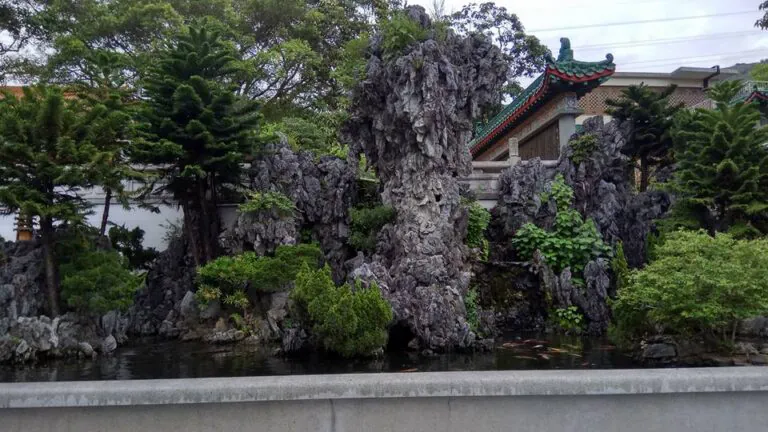
在香港這個以效率與密度聞名的城市之中,荃灣往往被視為一個過渡地帶,連接著新界與市區,但在這片看似平凡的地區之中,卻隱藏著一個充滿文化與宗教意義的空間——圓玄學院。當你從繁忙的街道轉入山麓方向,周圍的環境開始產生變化,高樓逐漸被樹木與山景取代,聲音也由車流轉為風聲與鳥鳴。這種轉換並不突然,而是一種漸進的過程,使人不知不覺地進入另一種節奏。圓玄學院成立於二十世紀中期,以弘揚三教合一為理念,道教、佛教與儒家思想在這裡並存,形成一種相對少見的宗教融合空間。這種融合並非簡單的並列,而是透過建築、空間與活動自然地呈現出來,使整個學院既有宗教功能,也具有文化與教育意義。從空間佈局來看,學院採用類似傳統中國園林的設計方式,講究層次與動線,入口並不直接展現全貌,而是透過曲徑與階梯逐步引導訪客深入,每一個轉角都會出現新的景觀。

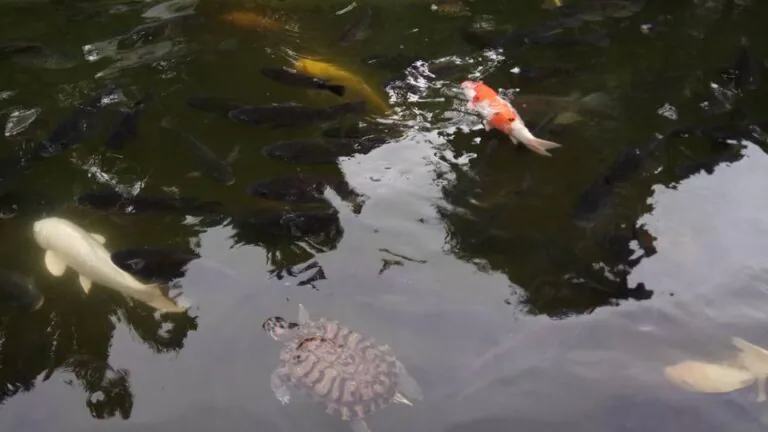

亭台樓閣分佈於不同高度之上,與山勢結合,形成一種上下交錯的空間結構。這種設計不僅增加了視覺上的豐富性,也讓人產生探索的興趣。水元素在學院中同樣扮演重要角色,池塘、流水與小橋相互配合,營造出一種流動的氛圍,象徵生命與自然的循環。當光線照射在水面上,反射出微微的波動,整個空間似乎也隨之變得柔和。建築風格方面,圓玄學院融合了多種傳統元素,既有道教的宮觀風格,也有佛教建築的影子,再加上儒家文化所強調的秩序與和諧,使整體呈現出一種多層次的文化表達。紅柱、青瓦與雕刻細節,既具裝飾性,也帶有象徵意義。這些元素並不誇張,而是以一種相對內斂的方式呈現,使人更容易專注於空間本身的氛圍。與市區中香火鼎盛的廟宇相比,圓玄學院顯得更加寧靜與有序。信徒與遊客在這裡的活動節奏較慢,無論是上香祈福,還是單純地漫步,都帶有一種沉靜的特質。這種氛圍使學院不只是宗教場所,更像是一個讓人暫時離開日常壓力的空間。從文化角度來看,圓玄學院代表了一種香港宗教多元性的具體體現。在這個城市之中,不同信仰並存已是常態,但像這樣以「三教合一」為核心理念的空間,仍然相對少見。它不只是歷史的延續,也是對未來的一種文化可能性。對於攝影者而言,這裡同樣充滿吸引力。不同高度的建築與園林元素,提供了多樣的構圖選擇,而光影的變化則為畫面增加層次。清晨的光線柔和,適合捕捉細節與氛圍;中午的強光則突顯結構與對比;傍晚時分,暖色調讓整個空間更具歷史感與沉靜感。當我們習慣以速度與效率來衡量生活時,很容易忽略這些需要時間去體驗的空間,而圓玄學院正正提醒我們,城市之中仍然存在著另一種節奏,一種更接近自然與內在平衡的生活方式。當你離開這裡,再次回到荃灣的街道,也許會發現自己對周圍環境的感受有所改變,對於城市的理解也變得更加立體。

English Version
In a city renowned for its efficiency and density, Tsuen Wan is often perceived as a transitional area connecting the New Territories with the urban core, yet within this seemingly ordinary district lies a place rich in cultural and spiritual significance, the Yuen Yuen Institute. As one moves away from the busy streets and toward the foothills, the environment begins to shift gradually, with high-rise buildings giving way to greenery and mountainous scenery, while the sounds of traffic are replaced by wind and birds, creating a subtle transition that prepares visitors for a different pace of experience. Established in the mid-twentieth century, the institute is dedicated to the integration of Taoism, Buddhism, and Confucianism, presenting a rare example of how these three traditions can coexist within a single space, not as separate entities but as interconnected elements expressed through architecture, layout, and daily practices. The spatial organization of the institute reflects principles found in traditional Chinese garden design, emphasizing progression and layered perspectives, where the entrance does not reveal the entire complex at once but instead guides visitors through winding paths and stairways, gradually unfolding new views at each turn. Pavilions and structures are positioned at varying elevations, following the natural contours of the hillside and creating a dynamic interplay between built and natural environments, encouraging exploration and engagement. Water features play a significant role within the complex, with ponds, streams, and small bridges contributing to a sense of movement and continuity, symbolizing the cyclical nature of life and the harmony between humans and nature, while reflections on the water surface add a visual softness that enhances the overall atmosphere. Architecturally, the institute incorporates a range of traditional elements, blending Taoist temple forms with influences from Buddhist structures and the orderly principles associated with Confucian thought, resulting in a layered cultural expression that is both cohesive and nuanced. Red columns, tiled roofs, and carved details serve not only decorative purposes but also carry symbolic meanings, contributing to an environment that feels both grounded and contemplative. Compared to more crowded temples in urban areas, the Yuen Yuen Institute maintains a quieter and more orderly atmosphere, where both worshippers and visitors move at a slower pace, engaging in activities such as prayer, reflection, or simple observation, all of which reinforce the sense of calm that defines the space. From a cultural perspective, the institute embodies the diversity of religious practices in Hong Kong, demonstrating how different belief systems can coexist harmoniously within a shared environment, offering a perspective that extends beyond mere historical continuity into the realm of cultural possibility. For photographers, the site presents a wide range of visual opportunities, from varied elevations and architectural compositions to the interplay of light and shadow that changes throughout the day, with morning light providing softness, midday bringing strong contrasts, and evening casting warm tones that enhance the sense of history and stillness. In a society where speed and efficiency often dominate daily life, spaces like the Yuen Yuen Institute offer an alternative experience, one that encourages reflection and a deeper connection with both environment and self, reminding us that within the city there exists another rhythm, one that values balance, observation, and inner calm. Leaving the institute and returning to the urban streets of Tsuen Wan, visitors may find that their perception has subtly shifted, gaining a more nuanced understanding of the city as a place where nature, culture, and spirituality intersect in quiet yet meaningful ways.