
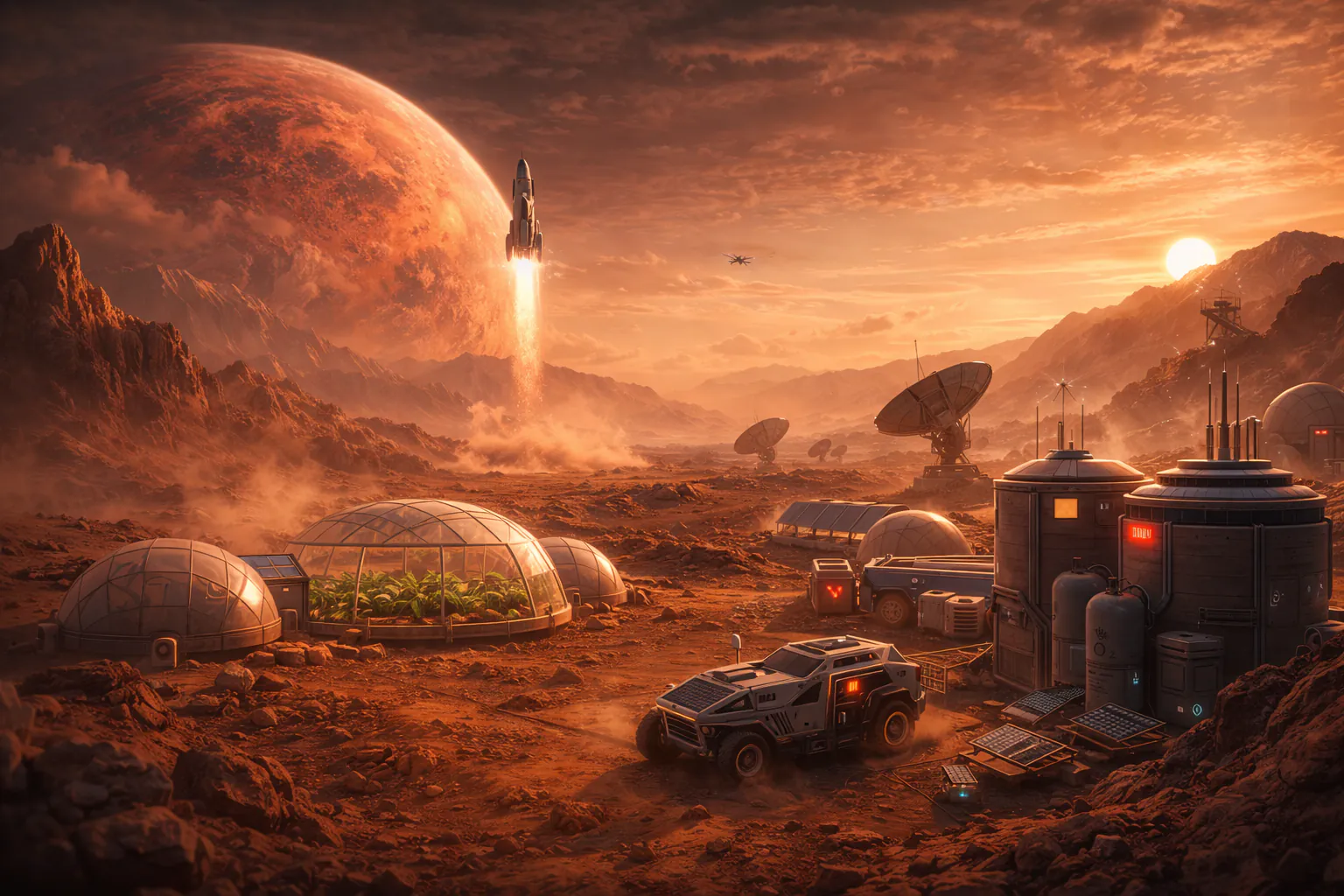
生活與科技 第26集 人類真的能在另一個星球生活嗎?當科技遇上「生活」的真正問題 | Can Humans Truly Live on Another Planet? When Technology Meets the Reality of Living
人類是否能夠在另一個星球上生活,這個問題乍看之下似乎是關於科技的探討,但事實上,它觸及了更深層次的哲學與人性問題。從技術的角度來看,現代科學已經讓我們具備了到達其他星球的能力,甚至在某些情況下,能夠建立基礎的生存條件。然而,抵達與生活之間存在著本質上的差異,而這種差異不僅僅是技術進步所能填補的。
科技的進步使得我們可以克服許多自然條件的限制。無論是建造密封的棲息地、過濾有毒氣體、回收有限的水源,還是在人工光線下種植食物,這些技術手段都讓人類得以在極端環境中生存。然而,這些成就並不意味著我們可以真正「生活」在這些地方。因為生活不僅僅是指身體機能的維持,還包括了心理、情感以及文化層面的需求。
在地球上,我們的生活充滿了某種程度的隨意性與自由。空氣是天然存在的,不需要計算每一口吸入量;水源是自然循環的一部分,不需要精確地回收與分配;我們可以自由地在戶外活動,享受陽光、風和雨,而不需要擔心生命受到威脅。然而,一旦我們離開地球,進入一個新的星球或人工環境,這一切都將改變。
在另一個星球上,生命將被框定在一個高度受控的系統中。每一次呼吸、每一口食物、每一滴水,甚至每一次行動,都需要被精確地計劃與執行。任何微小的錯誤都可能帶來災難性的後果。這樣的生活方式雖然可以被稱為「生存」,但它是否仍然能被稱為「生活」卻值得深思。
地球之所以能夠成為人類的家園,不僅僅是因為它提供了適合生命生存的條件,更因為它是一個具有彈性與包容性的系統。地球能夠吸收我們的錯誤,允許我們在一定範圍內不完美地生活。它為我們提供了無數次重新開始的機會,而這正是其他星球或人工環境無法比擬的特點。
此外,我們也不得不考慮心理層面的挑戰。在一個完全人工的環境中生活,意味著我們將不斷地被提醒自己並不屬於那裡。我們將生活在一個被技術層層包圍的空間裡,每一道門、每一面牆都在提醒我們,死亡就在外面徘徊。這樣的心理壓力對於短期任務或探索可能是可承受的,但如果是長期甚至永久性的居住呢?當幾代人都必須在這樣的環境中成長時,他們是否還能保持人類社會特有的文化與價值觀?
當我們談論人類是否能夠在另一個星球上生活時,其實更多的是在思考地球本身的未來。如果有一天,我們不得不因為地球變得不再適合居住而選擇離開,那麼我們是否應該反思,在人類還擁有地球作為家園時,我們錯過了什麼?我們是否因為對科技的過度依賴,而忽視了對地球本身的珍惜與保護?
科技固然強大,它可以幫助我們解決許多技術性問題,例如如何到達另一個星球、如何維持生命、如何修復系統等。然而,有些問題並不是科技能夠回答的。比如,我們究竟為什麼要選擇那樣生活?什麼樣的生命才值得延續?當生存變得如此艱難時,我們是否還能稱之為「生活」?
這些問題並非科學領域所能解答,而是屬於哲學、人文與社會學範疇的課題。它們迫使我們重新審視人類存在的意義,以及我們應該如何與自然和諧共處。
或許有一天,人類真的能夠成功在另一個星球上建立殖民地,但那樣的生活必然與現在截然不同。我們可能需要放棄許多現有的特權,例如舒適、自由與即興創作。我們可能需要接受一種高度受控且缺乏彈性的生存模式。在這樣的情況下,我們是否還能保有「人性」?是否還能創造出屬於人類自己的文化與價值?
因此,真正值得我們深思的不僅僅是「人類能否在另一個星球生活」,而是「如果我們不得不離開地球才能生存,那麼在人類曾經擁有地球作為家園時,我們錯過了什麼?」這是一個關乎未來、關乎選擇,也關乎責任的重要問題。
科技可以帶領我們走得很遠,但唯有對自身與自然的深刻理解,才能指引我們決定是否應該出發,以及如何更負責任地對待我們唯一且珍貴的家園——地球。
English Version
The question of whether humans can live on another planet appears at first to be a technological challenge, yet it ultimately leads to deeper reflections about what it truly means to live, because while modern science has already made it possible for humans to reach other planets and even establish basic survival conditions, there remains a fundamental difference between arriving somewhere and actually living there, a difference that cannot be fully resolved by technological advancement alone, as technology can help overcome environmental limitations by creating sealed habitats, filtering toxic atmospheres, recycling water, and producing food under artificial conditions, enabling human survival in extreme environments, but survival is not the same as living, since living also involves psychological, emotional, and cultural dimensions that extend beyond maintaining biological functions, and on Earth life is supported by a system that allows for a degree of freedom and spontaneity, where air is naturally available without calculation, water circulates without precise control, and people can move freely outdoors, experiencing sunlight, wind, and weather without constant concern for survival, whereas on another planet or within an artificial environment every aspect of existence would be tightly controlled, where each breath, each meal, each drop of water, and each movement would need to be carefully managed, and even small errors could lead to severe consequences, creating a condition that may sustain life but does not necessarily provide a sense of living in the way humans understand it, and part of what makes Earth uniquely suitable as a home is not only its ability to support life but its flexibility and resilience, allowing for imperfection, absorbing mistakes, and offering opportunities to recover and begin again, qualities that artificial systems or hostile planetary environments cannot easily replicate, and beyond physical conditions there are also profound psychological challenges, as living in a fully controlled environment means being constantly aware of its artificial nature, where every wall and system serves as a reminder that the surrounding environment is uninhabitable, and while such conditions may be manageable for short-term missions, the implications of long-term or multi-generational habitation raise important questions about identity, culture, and human well-being, as future generations raised entirely within such environments may develop fundamentally different relationships with nature, freedom, and community, and this leads to a broader reflection that the question of living on another planet is also a question about Earth itself, because if humanity ever faces the necessity of leaving Earth due to environmental decline, it invites us to consider what might have been lost or overlooked when we still had a habitable home, and whether an overreliance on technology has led us to neglect the importance of preserving the natural systems that sustain life, since while technology is powerful in solving logistical challenges such as transportation, life support, and system maintenance, it cannot answer deeper questions about why we should pursue such a future or what kind of life is worth sustaining, as these are philosophical and human concerns that extend beyond engineering, and even if humans eventually succeed in establishing colonies on other planets, such a life would inevitably differ from current human experience, potentially requiring the sacrifice of comfort, freedom, and spontaneity in exchange for survival within controlled systems, raising the question of whether humanity could maintain its cultural richness, creativity, and sense of meaning under such conditions, and ultimately the more important question may not be whether humans can live on another planet but what we value about living itself, and whether the pursuit of survival in extreme environments reflects a necessity or a choice, reminding us that while technology can take us far, it is our understanding of life, responsibility, and our relationship with the natural world that determines whether such a journey is truly worth undertaking, and in that reflection lies a deeper awareness of the importance of the one home we already have.