
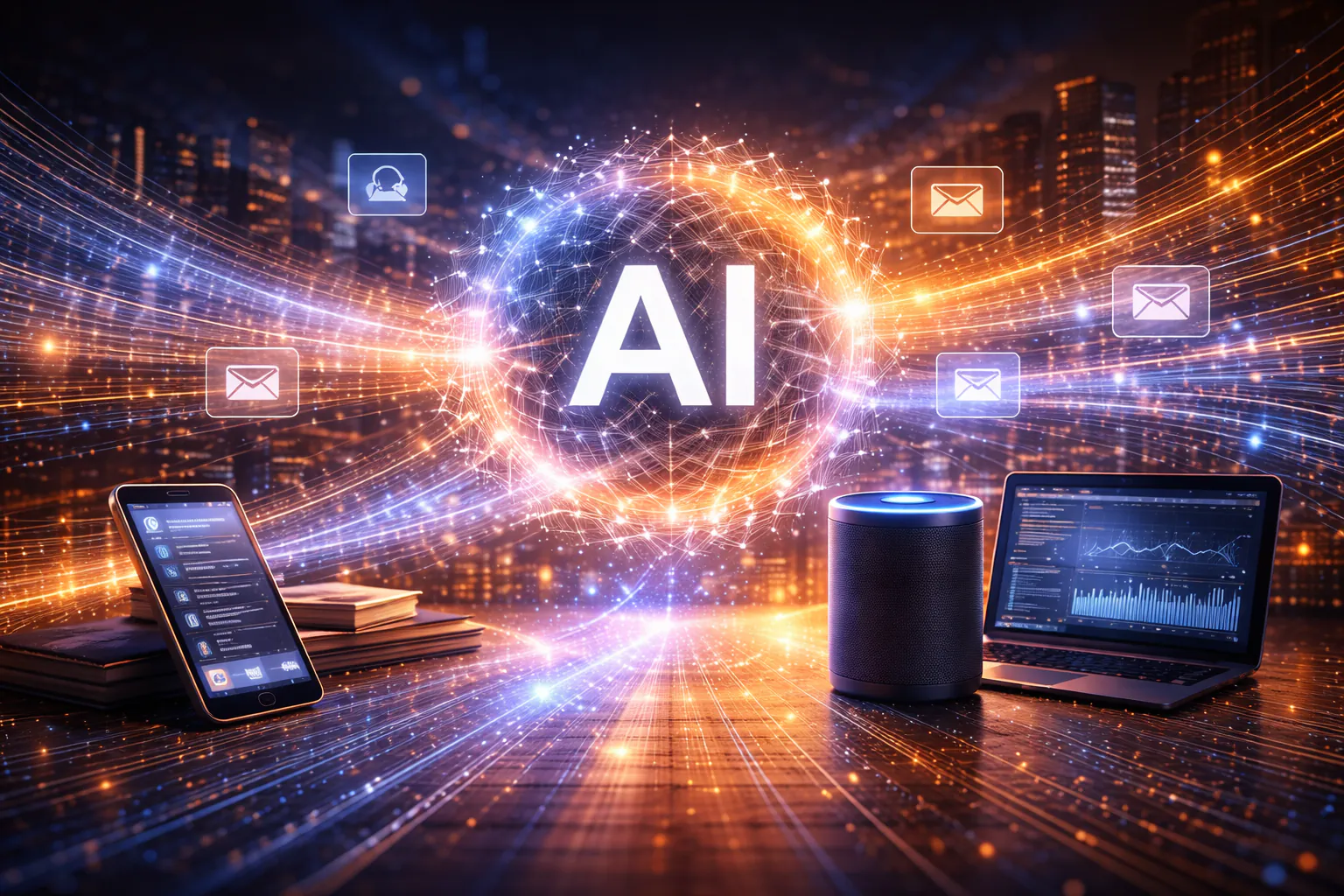
生活與科技 第21集 為什麼AI開始像一種環境:當人工智慧不再只是工具 | Why AI Is Becoming an Environment: When Artificial Intelligence Is No Longer Just a Tool
人工智慧的發展已然改變了人類與科技互動的模式。過去,工具是我們主動選擇使用的對象,何時使用、如何使用,完全由使用者掌控。然而,人工智慧的特性使其不再僅僅是一種工具,而逐漸成為一個無所不在的環境。這種轉變不僅影響了我們的行為,也模糊了責任的界限,進而改變了我們對科技的理解。
當人工智慧融入日常生活,它不僅僅是等待指令執行的系統,它主動參與了資訊的篩選、排序及調整。這種隱性的影響力使得人工智慧不再以顯而易見的方式干預,而是成為背景的一部分。人們在這樣的環境中逐漸適應,甚至可能忽略其存在。推薦內容看似合理,資訊排序看似自然,這些都促使人們接受人工智慧所提供的結果,而不再主動質疑其背後的邏輯。
然而,當人工智慧成為環境的一部分,責任問題也變得更加複雜。工具出錯時,我們可以追溯到使用者或設計者,但當環境影響了決策,責任則散布於系統、資料、設計及使用者之間,難以明確界定。這種模糊性使得問題的解決更加困難,也讓人們更容易忽略其潛在風險。
人工智慧強大的真正原因並非來自於它能做出戲劇性的決策,而是因為它不斷滲透到微小且重複的日常時刻,悄然改變了我們對可能性、合理性及優先事項的認知。當它成為環境時,我們的選擇受到限制,「退出」變得困難且代價高昂,甚至可能導致孤立。因此,大多數人選擇適應環境,而非挑戰其框架。
要真正理解人工智慧,我們需要超越技術層面的運作機制,開始關注它如何存在於我們周遭,以及如何影響我們的思維和行動。人類最重要的能力不是僅僅掌握科技,而是保持對科技的意識,特別是在人工智慧逐漸成為環境的現實中。保持意識意味著提出問題、檢視選擇,以及認識那些被忽略的可能性。而這種能力,恰恰是最難被自動化的,也是人類在未來科技主導的世界中不可或缺的一項技能。
English Version
The development of artificial intelligence has fundamentally changed the way humans interact with technology, as tools were once objects we consciously chose to use, with clear moments of engagement and control over how and when they were applied, but the nature of AI is shifting this relationship, transforming it from something we use into something we live within, as it gradually becomes an environment rather than a tool, a presence that surrounds everyday life instead of waiting for direct instruction, and this transformation affects not only behavior but also how we understand responsibility and agency, because when AI integrates into daily systems it no longer simply executes commands but actively participates in selecting, filtering, and organizing information, shaping what we see and how we interpret it in ways that are subtle and often unnoticed, so that its influence is not experienced as intervention but as background, where recommendations feel reasonable, rankings appear natural, and outcomes seem aligned with expectations, encouraging acceptance without prompting deeper questioning of the processes behind them, and as people adapt to this environment they may begin to overlook its presence entirely, treating algorithmic structures as neutral or inevitable, yet this invisibility is precisely what gives AI its power, because its most significant impact does not come from dramatic decisions but from continuous involvement in small, repetitive moments that gradually reshape perceptions of what is possible, what is reasonable, and what should be prioritized, and within such a system the concept of responsibility becomes more complex, as when a traditional tool fails it is often possible to identify a clear source of error, whether in design or use, but when outcomes are shaped by an environment composed of data, algorithms, and user interactions, responsibility becomes distributed and difficult to locate, making it harder to address problems or assign accountability, and this diffusion of responsibility can lead to a reduced awareness of potential risks, as issues are less visible and more easily normalized, while at the same time the integration of AI into everyday systems can make opting out increasingly difficult, as many aspects of modern life depend on these systems, and stepping outside them may involve significant inconvenience or even social isolation, leading most people to adapt rather than challenge the framework in which they operate, and this raises an important question about what it means to understand artificial intelligence, suggesting that it is not enough to focus on how it works technically but necessary to consider how it exists within our environment and how it shapes our thinking and actions, because the most important human capability in such a context is not merely the ability to use technology but the ability to remain aware of it, particularly as it becomes less visible and more integrated into daily life, and this awareness involves asking questions, examining choices, and recognizing possibilities that may have been excluded or overlooked, skills that cannot easily be automated and that become increasingly valuable in a world where AI influences decisions continuously, and ultimately recognizing AI as an environment rather than a tool changes the nature of our relationship with it, shifting the challenge from learning how to operate systems to learning how to perceive them, so that even within a pervasive technological landscape we retain the ability to reflect, to question, and to choose consciously rather than simply adapting without awareness.