
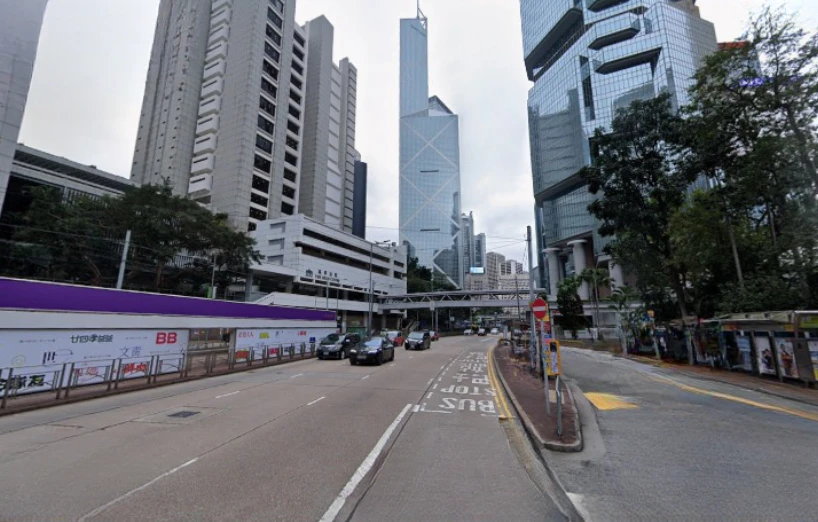
【街道筆錄】金鐘道:由軍營海旁到政府與金融中心,香港城市軸線的轉變 | Queensway: From Military Waterfront to the Political and Financial Axis of Hong Kong
在香港島北岸的主要交通幹道之中,金鐘道是一條具有重要城市意義的道路。這條道路連接中環與灣仔,是香港島最繁忙的東西向主幹道之一。今天的金鐘道兩旁高樓林立,政府總部、金融機構與大型商業大廈集中於此,每天都有大量車輛與行人穿行其中。然而在十九世紀中葉,這裡仍然只是靠近海岸的軍事區域。
金鐘道的出現與香港城市發展、填海工程以及政府行政中心的建立密切相關。香港在1841年開埠後,維多利亞城逐漸在港島北岸建立。最早的城市發展集中在上環與中環,而向東的地區則多為軍事用途。今日金鐘一帶曾經是英軍軍營所在地,包括海軍設施與軍事用地。當時的海岸線比今天更接近山腳,因此這一帶主要是軍事區與海旁空地。隨著香港港口經濟迅速發展,城市人口增加,政府開始逐步向東擴展城市範圍。十九世紀末至二十世紀初,填海工程改變了港島北岸的地理形態。新的海旁道路逐漸出現,而原本的軍事用地也開始重新規劃。金鐘道便是在這樣的城市發展背景下逐漸形成。街道名稱「Queensway」其實與皇后大道同樣源自英國維多利亞女王,反映殖民政府在城市命名中的政治象徵。中文名稱「金鐘道」則來自附近的金鐘軍營,這個名稱後來成為整個地區的地名。二十世紀中期以後,香港經濟迅速發展,中環逐漸成為金融中心,而政府行政機構也開始集中在金鐘一帶。政府總部、立法機關以及多個重要公共建築在這裡興建,使整個地區逐漸成為香港的政治與行政核心。金鐘道因此不僅是一條交通道路,也成為政府與金融機構之間的重要連接軸線。若從城市交通角度觀察,金鐘道在香港交通系統中具有關鍵地位。道路連接中環、金鐘與灣仔,是港島東西向交通的重要通道。電車軌道沿著道路行駛,使這條街道成為香港電車網絡的重要部分。電車自二十世紀初開始在香港運行,至今仍然是香港最具代表性的公共交通工具之一。當電車沿著金鐘道緩慢前行時,也成為城市景觀的一部分。從城市文化角度來看,金鐘道同樣見證香港由殖民港口城市轉型為國際金融都市的過程。街道周圍既有政府建築,也有商業大廈與購物中心。現代玻璃幕牆與城市高架道路構成今日的金鐘景觀。然而在這些現代建築之下,仍然隱藏著十九世紀城市發展留下的歷史痕跡。從軍營海旁到政府與金融中心,這條道路記錄了香港城市空間的轉變。今天的金鐘道不僅是一條交通幹道,也是一條連接不同時代的城市歷史軸線。當人們每天在這條道路上穿行時,其實也正走在香港城市發展的重要舞台之上。
English Version
Queensway runs along the northern corridor of Hong Kong Island, linking Central, Admiralty, and Wan Chai, and stands today as one of the most important east–west arterial roads in the city, defined by its dense traffic, surrounding clusters of government headquarters, financial institutions, and commercial skyscrapers, yet beneath this modern urban intensity lies a layered history that traces Hong Kong’s transformation from a colonial military outpost into a global financial and administrative center, as in the mid-nineteenth century the area now occupied by Queensway was not a bustling urban corridor but rather part of a coastal military zone, where British forces established barracks and naval facilities along a shoreline that lay much closer to the hillside than it does today, creating a landscape dominated by strategic defense functions rather than civilian life; following the establishment of Hong Kong as a British colony in 1841, early urban development concentrated in Central and Sheung Wan, while areas further east, including what is now Admiralty, were reserved for military use, resulting in a spatial separation between commercial and military zones that would later be reconfigured as the city expanded, and it was through a series of land reclamation projects in the late nineteenth and early twentieth centuries that the coastline was gradually pushed outward, creating new land that allowed for the transformation of former military sites into urban infrastructure, and within this evolving landscape Queensway began to take shape as a major thoroughfare, its English name reflecting the colonial tradition of referencing Queen Victoria, while its Chinese name “金鐘道” derives from the Admiralty Barracks, whose Chinese designation “金鐘” eventually became the name of the district itself; as Hong Kong entered the twentieth century and its economy grew rapidly, the function of the area surrounding Queensway shifted dramatically, with military land progressively repurposed for civic and commercial use, leading to the development of key government buildings, administrative offices, and later financial institutions, and by the mid to late twentieth century, Admiralty had emerged as a central node of governance and business, positioning Queensway as a critical axis connecting political authority and economic power within the city, a role that continues to define its significance today; from a transportation perspective, Queensway plays a vital role in Hong Kong’s urban mobility network, serving as a primary route for vehicles traveling between Central and Wan Chai, while also accommodating tram tracks that run along its length, forming part of the historic Hong Kong Tramways system that has operated since 1904, and the presence of trams adds a distinctive temporal layer to the street, where slower, traditional modes of transport coexist with the rapid pace of modern traffic, creating a dynamic interplay between past and present within a single urban corridor; architecturally, the environment surrounding Queensway reflects the evolution of Hong Kong’s built landscape, with sleek glass towers, government complexes, elevated walkways, and shopping centers forming a dense and multi-layered cityscape that emphasizes verticality and connectivity, yet beneath this contemporary façade lie traces of earlier land uses and historical transitions that continue to shape the area’s identity; culturally, Queensway embodies the hybrid nature of Hong Kong, where colonial naming conventions intersect with local language and lived experience, illustrating how historical frameworks have been absorbed and reinterpreted within a modern, globalized context, and this duality is evident not only in the street’s name but also in the way it functions as both a symbol of governance and a space of everyday urban activity; throughout the day, Queensway is characterized by continuous movement, with streams of vehicles, office workers, and pedestrians navigating its intersections and elevated walkways, while at night the illuminated skyline and reduced traffic create a different atmosphere that still conveys a sense of ongoing activity and importance; ultimately, Queensway is more than a transportation route, it is a spatial narrative that encapsulates Hong Kong’s transition from a colonial port city with military foundations to an international financial and administrative hub, demonstrating how land reclamation, urban planning, and economic transformation converge to redefine the use and meaning of space over time, and for those who move along it, the road offers not only a pathway through the city but also a continuous encounter with the historical forces that have shaped Hong Kong into what it is today.