位於打鼓嶺的雲泉仙館,是香港少見結合道教信仰與園林美學的靜修空間。遠離市區喧囂,這裡以亭台樓閣、流水與綠意構成一個近乎隱世的世界,展現出香港另一種安靜而深層的文化面貌。
Located in Ta Kwu Ling, Yun Quan Immortal Pavilion is a rare space in Hong Kong where Taoist spirituality meets traditional garden aesthetics. Away from the city’s intensity, it offers a tranquil retreat defined by pavilions, flowing water, and lush greenery, revealing a quieter and deeper cultural dimension of Hong Kong.


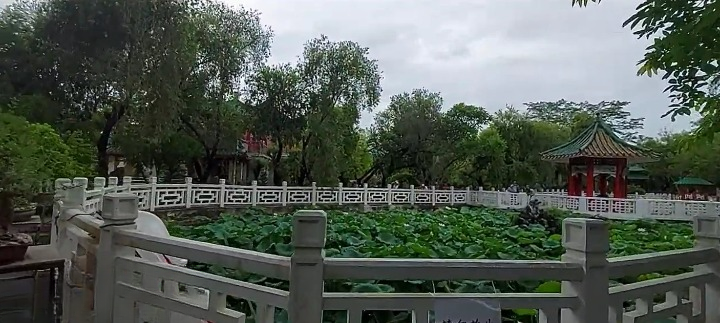
在香港的地圖上,打鼓嶺是一個容易被忽略的名字,這個位於新界東北、接近邊境的地方,遠離高樓與商業區,甚至帶有一點與城市脫節的感覺。然而正正是在這樣的地理位置之中,保留了一些難得的文化空間,而雲泉仙館就是其中之一。當你踏入這個地方,第一個感覺往往不是「景點」,而是一種慢下來的節奏,空氣似乎變得更靜,聲音也變得柔和。與香港常見的宗教建築不同,雲泉仙館並不只是供奉神祇的場所,它更像是一個融合了道教哲學與中國傳統園林設計的整體空間。園內的佈局並非隨意,而是講究動線與視覺層次,從入口開始,路徑會引導你逐步深入,每一步都有不同的景觀變化,或是小橋流水,或是曲徑通幽,讓人不知不覺地放慢腳步。道教講求「順應自然」,而這種理念在雲泉仙館之中被具體地呈現出來。水是其中一個重要元素,無論是池塘還是流水,都帶有一種流動的節奏,象徵著生命與氣的循環。當風輕輕吹過水面,泛起細微的波紋,整個空間似乎也隨之呼吸。建築方面,仙館內的亭台樓閣多以傳統中式風格為主,飛檐、木構與石材相互配合,既不華麗,也不刻意張揚,但卻有一種穩定而內斂的美感。這種設計與周圍的自然環境融合在一起,使建築本身成為景觀的一部分,而不是主角。與此同時,園內亦可見不同的道教符號與供奉空間,這些元素提醒著來訪者,這裡仍然是一個宗教場所,而非純粹的觀光地點。信徒會在這裡上香、祈福,進行日常的宗教活動,而這些行為與園林景觀並沒有衝突,反而形成一種自然的共存關係。從文化角度來看,雲泉仙館的存在反映了香港宗教多樣性的另一面。相比起市區中較為著名的寺廟或教堂,這裡顯得低調甚至隱秘,但正正因為這種距離,使它保留了一種較為純粹的氛圍。沒有過多的商業元素,也沒有大量遊客的干擾,整個空間更接近原本的用途——一個讓人修身養性、與自然對話的地方。在現代生活之中,人們習慣於快速與效率,很少有機會停下來觀察環境的細節,而雲泉仙館則提供了一個相反的經驗。在這裡,你可以注意到光影如何在樹葉之間移動,可以聽到水聲與風聲交織,也可以感受到時間似乎變得不再那麼重要。這種體驗不只是視覺上的,更是一種心理上的轉換。對於攝影者而言,這裡同樣是一個充滿可能性的地方。不同時間的光線會帶來完全不同的畫面,早晨的柔光、午後的強烈對比、以及黃昏的暖色調,都能讓園林呈現出不同層次的美感。而那些隱藏在角落的細節,例如石雕、木窗或小徑的轉角,也都值得細細觀察。當我們談論香港時,往往會想到繁華、密集與速度,但像雲泉仙館這樣的地方,提醒我們這座城市其實也擁有另一種面貌,一種更接近自然、更重視內在平衡的生活方式。它不張揚,也不刻意吸引目光,但正因如此,它才顯得珍貴。當你離開這個地方,重新回到城市之中,或許會發現自己的節奏稍微改變了一點,對周圍環境的感受也變得更加敏銳。這種微小的改變,或許正是雲泉仙館真正的價值所在。


English Version
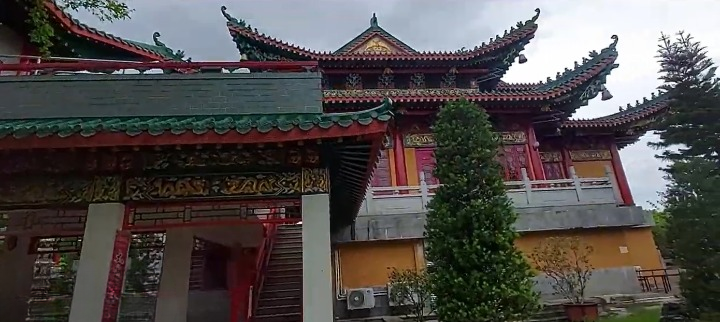
On the map of Hong Kong, Ta Kwu Ling is a name that many people might overlook, a remote area in the northeastern New Territories near the border, far removed from the dense skyline and commercial intensity that define much of the city, yet it is precisely within this geographical distance that certain cultural spaces have been preserved, and Yun Quan Immortal Pavilion is one of the most distinctive among them. Entering this place does not immediately feel like visiting a tourist attraction, but rather stepping into a slower rhythm where the air seems quieter and the surrounding sounds soften, creating a subtle yet powerful shift in perception. Unlike many religious sites in Hong Kong that function primarily as places of worship, Yun Quan Immortal Pavilion presents itself as an integrated environment where Taoist philosophy and traditional Chinese garden design coexist seamlessly, forming a space that is both spiritual and spatially experiential. The layout of the garden is carefully composed rather than random, guiding visitors along paths that gradually unfold new perspectives, from winding walkways to small bridges and flowing water features, each element encouraging a slower pace and a heightened awareness of surroundings. Taoist thought emphasizes harmony with nature, and this principle is embodied throughout the pavilion, particularly through the presence of water, which appears in ponds, streams, and subtle movements that symbolize the circulation of life and energy, creating a sense of continuity that resonates with the natural world. The architectural elements within the pavilion, including pavilions, corridors, and traditional structures, are designed with restraint, featuring curved roofs, wooden frameworks, and stone textures that blend harmoniously with the landscape rather than dominating it, allowing the built environment to become part of the overall composition rather than a focal point in isolation. At the same time, the presence of altars, incense offerings, and Taoist symbols reminds visitors that this is still an active religious site where daily practices continue, and these activities coexist naturally with the aesthetic qualities of the garden, reinforcing the idea that spirituality and environment are not separate but interconnected. From a cultural perspective, Yun Quan Immortal Pavilion reflects a quieter aspect of Hong Kong’s diversity, one that is often overshadowed by more prominent landmarks in urban areas, yet it offers a more intimate and authentic experience precisely because of its relative obscurity and distance from commercial influence. Without the overwhelming presence of tourism or commercialization, the space retains a sense of sincerity and purpose, functioning as a place for reflection, cultivation, and connection with nature. In the context of modern life, where speed and efficiency dominate, such spaces become increasingly valuable, offering an alternative way of experiencing time and environment, encouraging individuals to pause, observe, and engage with subtle details that are often overlooked. Visitors may find themselves noticing how light filters through leaves, how shadows shift across surfaces, or how the sound of water interacts with the surrounding stillness, creating a sensory experience that extends beyond visual appreciation. For photographers, the pavilion presents a rich environment filled with possibilities, as different times of day produce distinct atmospheres, from the soft illumination of morning to the dramatic contrasts of midday and the warm tones of evening, each revealing new layers of the landscape. Small details hidden within the garden, such as carvings, window frames, and turning paths, further enhance the depth of exploration, rewarding those who take the time to look closely. When discussing Hong Kong, the dominant narrative often revolves around density, speed, and urban energy, yet places like Yun Quan Immortal Pavilion remind us that the city also contains spaces that prioritize balance, quietness, and a deeper connection to nature. It does not seek attention, nor does it impose itself on the viewer, but in its subtlety lies its significance, offering a different perspective on what Hong Kong can be. Leaving the pavilion and returning to the city, one might notice a slight shift in perception, a slower pace, or a greater sensitivity to the surrounding environment, and it is perhaps in these small changes that the true value of Yun Quan Immortal Pavilion can be found.