
穆罕默德 (Muhammad)|伊斯蘭教的創始先知:改變世界歷史的宗教領袖 | Muhammad | The Prophet Who Founded Islam and Transformed Arabia | 世界名人錄
穆罕默德(Muhammad)是伊斯蘭教的創始人,也是伊斯蘭傳統中最後一位先知。他於公元6世紀出生在阿拉伯半島的麥加,透過啟示宣揚對唯一真主的信仰,並建立伊斯蘭社群。穆罕默德傳播的教義後來被整理為《古蘭經》,成為伊斯蘭教最重要的經典。在他的領導下,阿拉伯部落逐漸團結,形成新的宗教與政治力量,對中東與世界歷史產生深遠影響。
Muhammad (c. 570–632 CE) is regarded by Muslims as the final prophet of God and the founder of Islam. Born in Mecca, he received revelations at the age of 40, which were later compiled into the Qur’an, Islam’s holy book. Through his teachings, Muhammad emphasized monotheism, social justice, and moral responsibility. Facing opposition in Mecca, he migrated to Medina in the event known as the Hijra, marking the beginning of the Islamic calendar. Over time, he united much of the Arabian Peninsula under Islam. Muhammad’s life and message continue to shape the beliefs, practices, and culture of over a billion Muslims worldwide.
在人類歷史與宗教傳統中,穆罕默德是一位極具影響力的人物。他被伊斯蘭教徒尊為真主的最後先知,也是建立伊斯蘭信仰與社群的重要領袖。穆罕默德的思想與行動不僅改變了阿拉伯半島,也對世界文明產生深遠影響。
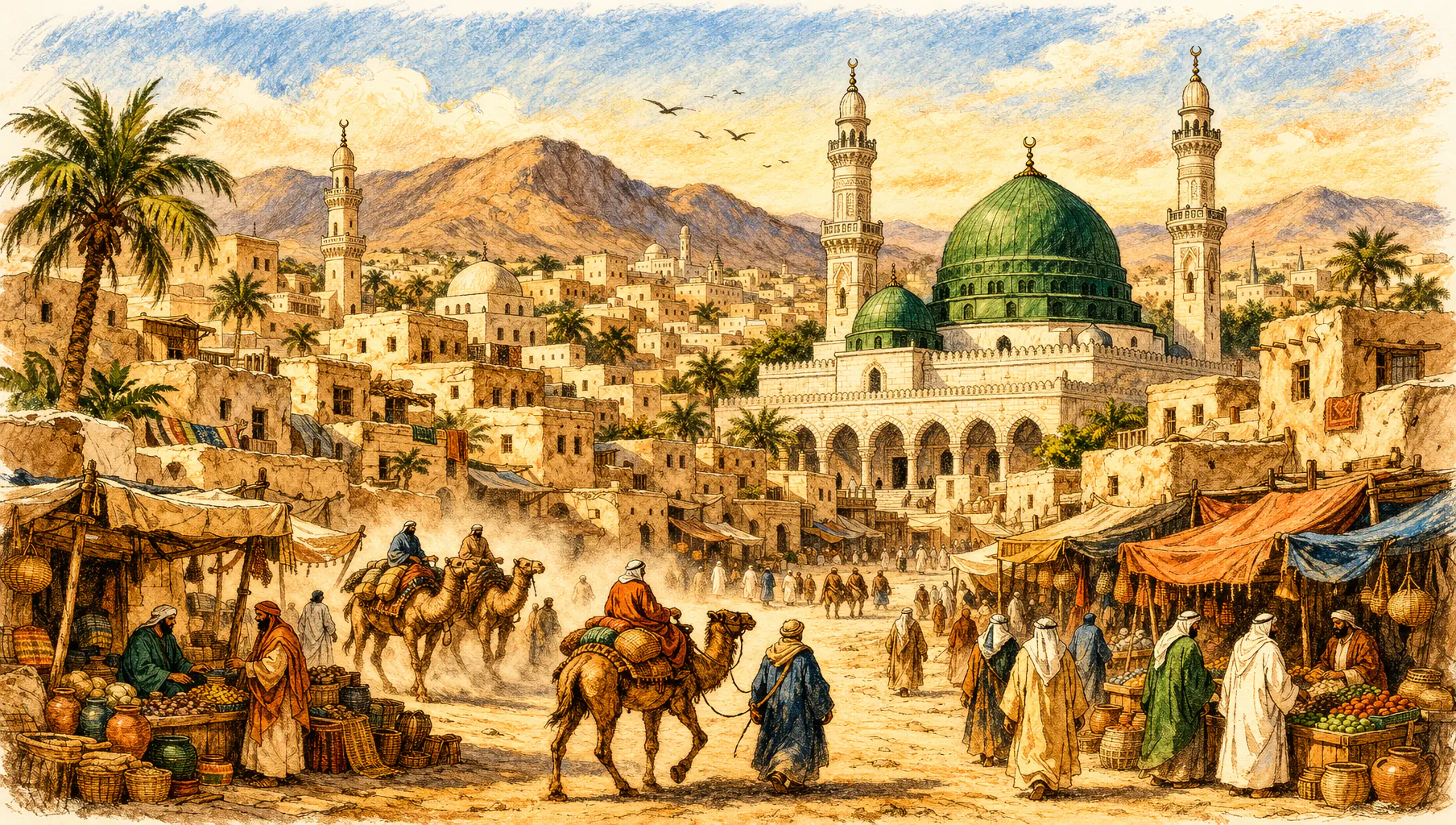
穆罕默德約於公元570年出生於阿拉伯半島的麥加城。當時的麥加是重要的貿易中心,來自不同地區的商隊在此交流貨物與文化。城市中同時存在多種宗教信仰,包括多神崇拜與一些猶太教和基督教社群。
穆罕默德出生於古萊什部落中的哈希姆家族,但在年幼時便成為孤兒。他的父親在他出生前去世,母親也在他六歲時離世。之後,他由祖父與叔父撫養長大。
在青年時期,穆罕默德以誠實與可靠聞名,被人們稱為「阿明」,意思是值得信任的人。他曾從事商業活動,並隨商隊前往不同地區旅行,這使他接觸到多種文化與宗教思想。
25歲時,穆罕默德與一位名叫赫蒂徹的富有女商人結婚。赫蒂徹比他年長,但兩人的婚姻被認為非常幸福。她後來也成為最早支持穆罕默德使命的人之一。
隨著年齡增長,穆罕默德開始思考社會與信仰問題。當時的阿拉伯社會存在部落衝突、貧富差距與道德問題。穆罕默德常常前往麥加附近的希拉山洞中冥想。
根據伊斯蘭傳統,公元610年,穆罕默德在希拉山洞中首次接受來自真主的啟示。天使吉卜利勒向他傳達神的話語,命令他宣讀與傳播真主的信息。
起初,穆罕默德只向親近的家人與朋友傳播這些信息,但隨著時間推移,他開始公開宣講信仰。這些啟示後來被記錄並整理成《古蘭經》。
穆罕默德宣揚的核心思想是信仰唯一的真主,並強調正義、慈善與道德責任。他反對多神崇拜,這與當時麥加的宗教習俗發生衝突。
隨著追隨者逐漸增加,穆罕默德與他的支持者遭到一些麥加領袖的反對與迫害。許多信徒受到壓力,甚至被迫離開家園。
公元622年,穆罕默德與他的追隨者離開麥加,前往北方城市麥地那。這一事件被稱為「希吉拉」,也是伊斯蘭曆法的起點。
在麥地那,穆罕默德不僅是宗教領袖,也成為政治與社會領袖。他建立新的社群制度,使不同部落與信仰群體能夠和平共處。
隨著時間推移,穆罕默德的影響力逐漸擴大。他與麥加之間曾發生多次衝突,但最終在公元630年,他帶領追隨者和平進入麥加。
穆罕默德進入麥加後,清除了克爾白神殿中的偶像,並將其重新確立為敬拜真主的聖地。此後,麥加成為伊斯蘭教最重要的宗教中心。
在接下來的幾年中,越來越多阿拉伯部落接受伊斯蘭信仰,阿拉伯半島逐漸統一在新的宗教與政治體系之下。
穆罕默德於公元632年在麥地那去世,享年約63歲。他的去世對伊斯蘭社群產生重大影響,但他的信仰與制度仍然延續。
在穆罕默德去世後,穆斯林社群由哈里發領導,並逐漸擴展到中東、北非與其他地區。伊斯蘭文明在隨後幾個世紀中成為世界重要文化力量之一。
穆罕默德在伊斯蘭傳統中被視為最後一位先知,他的言行被記錄在聖訓中,成為穆斯林生活與法律的重要參考。
對於全球超過十億穆斯林而言,穆罕默德不僅是一位宗教領袖,也是道德與生活方式的典範。
從歷史角度來看,穆罕默德成功建立一個新的宗教社群,並改變了阿拉伯半島的政治與文化格局。
他的思想與宗教傳統至今仍然深刻影響世界歷史、文化與信仰。
English Version
Muhammad, born around 570 CE in the city of Mecca in the Arabian Peninsula, stands as one of the most influential figures in world history. Revered by Muslims as the final prophet of God, he is the central figure in Islam, a religion that has profoundly shaped civilizations across continents. His life represents a transformative journey from a merchant in a tribal society to a spiritual leader whose message unified Arabia and laid the foundation for a global faith.
Muhammad was born into the Quraysh tribe, a powerful and respected clan in Mecca. Orphaned at a young age, he was raised first by his grandfather and later by his uncle, Abu Talib. Despite these early hardships, Muhammad earned a reputation for honesty and integrity, gaining the لقب “Al-Amin,” meaning “the trustworthy.” He worked as a merchant and later married Khadijah, a wealthy widow who became his first and most steadfast supporter.
At the age of 40, Muhammad began receiving revelations while meditating in the cave of Hira near Mecca. These revelations, which Muslims believe were delivered by the angel Gabriel, formed the basis of the Qur’an. The message emphasized the oneness of God (Allah), the importance of compassion, charity, and justice, and accountability in the afterlife. Initially, Muhammad shared his message with close family and friends, but as his following grew, he encountered increasing resistance from Meccan leaders who saw his teachings as a threat to their social and economic order.
Persecution of Muhammad and his followers intensified, leading to the pivotal event known as the Hijra in 622 CE, when he and his companions migrated from Mecca to Medina. This migration marks the beginning of the Islamic calendar and represents not only a physical journey but also the establishment of a new kind of community based on faith rather than tribal affiliation. In Medina, Muhammad served as both a spiritual and political leader, creating a constitution that governed relations among diverse groups, including Muslims, Jews, and other tribes.
Over the following years, Muhammad and his followers faced several conflicts with Meccan forces. Despite these challenges, Islam continued to grow. Eventually, Muhammad led a largely peaceful conquest of Mecca in 630 CE. Rather than seeking revenge, he granted amnesty to many of his former opponents and cleansed the Kaaba of idols, dedicating it to the worship of one God.
Muhammad’s teachings extended beyond religious doctrine to encompass social reform. He advocated for the rights of the poor, orphans, and women, challenging many of the prevailing norms of Arabian society. His emphasis on equality before God helped to break down tribal divisions and foster a sense of unity among believers.
In 632 CE, shortly after delivering his Farewell Sermon—an address that summarized key ethical and spiritual principles—Muhammad passed away in Medina. By the time of his death, much of the Arabian Peninsula had embraced Islam. His legacy, however, extended far beyond his lifetime. Within decades, Islamic civilization expanded across vast regions, influencing culture, science, philosophy, and law.
What distinguishes Muhammad’s impact is not only his role as a religious leader but also his ability to transform society. He combined spiritual insight with practical leadership, guiding a community through profound change. The Qur’an and the Hadith (records of his sayings and actions) continue to serve as primary sources of guidance for Muslims around the world.
Today, Muhammad is regarded by Muslims not only as a prophet but as a model of moral conduct, compassion, and devotion. His life is studied and emulated in various aspects of daily living, from personal ethics to governance. While interpretations of his legacy may vary across cultures and traditions, his influence remains enduring and global.
In historical terms, Muhammad’s life marks a turning point in the development of world civilizations. His message reshaped the religious landscape, fostered new forms of social organization, and contributed to the emergence of a rich and diverse cultural tradition. More than fourteen centuries later, his teachings continue to inspire faith, reflection, and community among millions of people worldwide.