將軍澳海濱長廊是一條融合城市發展與自然海景的散步路線,從住宅群到跨海大橋,景觀層次豐富。本文以實地步行視角,記錄陽光、海風與城市輪廓之間的微妙關係,呈現香港新市鎮中難得的寧靜與開闊。
The Tseung Kwan O Waterfront Promenade offers a unique walking experience where urban density meets open sea views. Stretching alongside modern residential towers and iconic bridge structures, the route reveals a layered landscape shaped by light, wind, and water. This walking record captures the quiet rhythm of everyday life in one of Hong Kong’s newest districts, where spaciousness and stillness contrast with the city’s usual intensity.
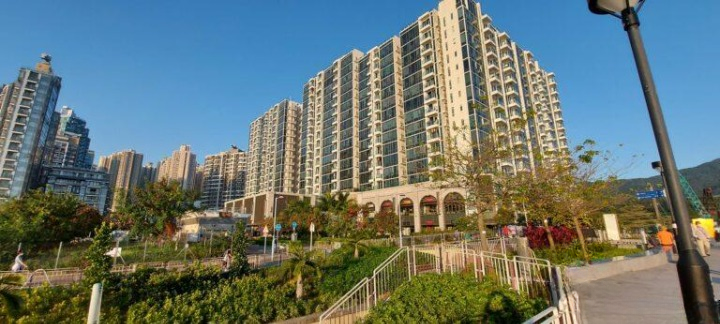

將軍澳這個名字,本身就帶有一種由軍事用途轉化為現代城市的歷史意味,而今天的海濱長廊,則像是一條將過去與現在縫合起來的線。當人踏入這條長廊,首先感受到的不是繁忙,而是一種被刻意保留的空間感,這在香港其實相當罕見。海面在眼前展開,沒有遮擋,水色隨著時間變化,早晨偏冷藍,中午偏亮白,到了傍晚則帶一點金色反光,而遠方橫跨海面的將軍澳跨灣大橋,以其弧形結構成為視覺的焦點,它既是交通基建,同時也像一個雕塑,將整個海面分割成幾個層次,橋下偶爾有工程船或小艇經過,使畫面多了一點動態的節奏。沿著長廊行走,右側是整齊排列的住宅群,這些高樓的設計帶有現代新市鎮的典型風格,樓宇密集但色調統一,在陽光下呈現出一種近乎潔淨的視覺效果,而樓下則是綠化帶與行人空間的過渡區,樹木尚未完全成熟,但已開始形成一條柔和的綠色邊界,將城市的硬線條稍微緩和。這種城市與自然之間的平衡,其實是一種設計上的妥協,也是香港近年規劃的一種方向,即在高密度之中尋找呼吸的空間。走在這裡,風是最直接的感受,海風沒有遮擋地吹來,帶著一點鹹味,也帶走城市的悶熱,這種風感讓人意識到,這裡雖然是住宅區,但同時也是一個開放的邊界,一個面向大海的城市邊緣。偶爾會看到居民在跑步、遛狗、或只是坐在長椅上發呆,這些日常行為在這樣的場景中顯得特別自然,沒有過多裝飾,也沒有過度設計,反而讓人更容易投入其中。當視線轉向遠方,可以看到連綿的山脈輪廓,這些山並不壯觀,但卻提供了一個穩定的背景,使整個畫面不至於過於空曠,山、海、橋與樓宇形成了一種層層疊加的景觀結構,而光線則是將它們串聯起來的元素。這條長廊最有趣的地方,在於它並不是一個純粹的景點,而更像是一個日常空間,它沒有明確的開始與結束,人們可以隨意進入或離開,這種開放性讓它更貼近生活,也更真實。當夕陽開始下降,建築物的立面逐漸變暖,玻璃反射出金黃色的光,而海面則變得更加平靜,偶爾有微小的波紋,這一刻的城市似乎放慢了節奏,從白天的功能性轉向一種接近沉思的狀態。夜晚來臨後,燈光逐一亮起,橋上的燈帶與住宅窗戶形成點點光源,海面反射出細碎的光影,這時的長廊又呈現出另一種氣氛,從開闊轉為安靜,從明亮轉為柔和。將軍澳海濱長廊並不試圖成為一個壯觀的地標,它的價值反而在於日常性,在於那種可以被反覆經歷的平凡,這種平凡在香港這樣的城市中,反而顯得珍貴,因為它提供了一種與城市保持距離的方式,同時又不完全離開城市,這種微妙的平衡,使這條長廊成為一個值得慢慢走、反覆走的地方,每一次行走,都可能因為光線、天氣或心情的不同,而產生新的感受。


English Version
The name Tseung Kwan O carries with it a quiet historical transition, from a former military bay to a carefully planned modern district, and today the waterfront promenade feels like a physical thread that stitches together past and present. Stepping onto the promenade, the first sensation is not congestion but space, something deliberately preserved and surprisingly rare in Hong Kong. The sea opens up immediately in front, unobstructed, its color shifting with time, cooler blue in the morning, brighter and almost reflective at midday, and turning gently golden toward sunset, while in the distance the Tseung Kwan O Cross Bay Bridge stretches across the water with its elegant arch, functioning both as infrastructure and as a sculptural presence that divides the horizon into visual layers, with occasional construction barges or small boats passing beneath, adding movement to an otherwise calm composition. Walking along the path, the right side is lined with neatly arranged residential towers, their design reflecting the logic of a modern new town, dense yet visually cohesive, their pale tones catching sunlight in a way that feels almost clean and controlled, while below them a transition zone of greenery and pedestrian space softens the rigidity of the built environment, with young trees beginning to form a gentle boundary that mediates between concrete and nature. This balance between urban form and natural openness is not accidental but a form of compromise in planning, a direction increasingly visible in Hong Kong, where density must coexist with breathable space. The wind becomes the most immediate sensory element, the sea breeze arriving without obstruction, carrying a faint saltiness while dissolving the trapped heat of the city, reminding the walker that this is both a residential zone and an exposed edge, a threshold facing the sea. Residents appear intermittently, jogging, walking dogs, or simply sitting along the benches, their everyday activities blending seamlessly into the setting, unforced and unadorned, making the space feel lived-in rather than curated. Looking further outward, low mountain ridges form a distant backdrop, not dramatic but stabilizing, preventing the openness from feeling empty, and together the mountains, sea, bridge, and towers create a layered landscape where light acts as the unifying element. What makes this promenade particularly compelling is that it is not a destination in the conventional sense, but an everyday corridor, without a strict beginning or end, allowing people to enter and leave freely, and this openness makes it feel authentic and integrated into daily life. As the sun lowers, the surfaces of buildings warm in tone, glass reflecting soft golden hues while the sea becomes calmer, its surface marked only by subtle ripples, and the city seems to shift from function to reflection, slowing down into a quieter state. When night arrives, lights gradually illuminate the bridge and the residential towers, forming scattered points of brightness mirrored on the water, transforming the promenade once again, from expansive to intimate, from bright to subdued. The Tseung Kwan O waterfront does not attempt to overwhelm with spectacle; its value lies in its ordinariness, in its ability to be revisited, to be experienced repeatedly under changing light, weather, and mood, and in a city like Hong Kong, such ordinariness becomes something rare and meaningful, offering a way to remain within the city while momentarily stepping away from its intensity, a delicate balance that invites slow walking and quiet observation, where each visit becomes slightly different, shaped by subtle variations that reveal new layers of the same familiar space.