
【街道筆錄】文咸東街:上環海味街的百年貿易記憶與城市轉型|Bonham Strand: The Dried Seafood Street and Trade Heritage of Sheung Wan
文咸東街位於上環,是香港著名的海味街之一,承載著華人商業發展與南北貨貿易歷史從傳統乾貨店到現代城市轉型,這條街道展現出香港由漁港走向國際貿易中心的縮影
Bonham Strand in Sheung Wan is one of Hong Kong’s most iconic dried seafood streets reflecting the city’s commercial heritage and transformation from a fishing port to a global trading hub lined with traditional shops and evolving urban life it captures the essence of cultural continuity and economic change
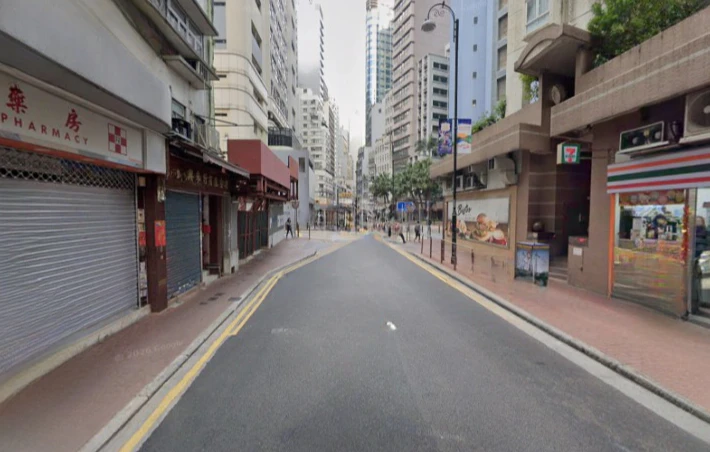
文咸東街位於上環核心地帶,與文咸西街相連,是香港歷史最悠久的商業街道之一街道名稱源自英國殖民時期官員命名制度,反映當時城市規劃與權力結構文咸東街的形成與香港早期填海工程密不可分十九世紀中葉,上環一帶逐步由海岸線向外擴展,原本臨海的區域成為陸地,為商業活動提供了重要空間隨着華人商人逐漸崛起,這裡發展成為南北貨與海味貿易中心各式乾貨如鮑魚、海參、魚翅與藥材在此集散,形成獨特的街道景觀與氣味記憶這條街亦見證了香港作為轉口港的角色,大量貨物從中國內地與東南亞運至此,再分銷至世界各地商號林立,招牌林立,街道終日繁忙,呈現出強烈的商業節奏與人流動線隨着時代轉變與飲食文化改變,部分傳統行業逐漸式微,但文咸東街仍保留相當規模的海味店鋪,成為香港少數仍能感受到舊式貿易氛圍的地方之一近年來,上環區亦受到文化創意產業與咖啡文化影響,文咸東街周邊出現畫廊、設計店與特色餐廳,形成新舊交錯的城市紋理這種轉變並未完全取代傳統,而是在共存中產生新的城市層次走在街上,可以同時聞到海味乾貨的鹹香與咖啡香氣,看到老字號與現代品牌並列,這正是香港城市特色的縮影此外,街道鄰近中環與維多利亞港交通便利,使其持續維持商業活力文咸東街不僅是一條購物街,更是一條承載文化記憶與經濟歷史的城市軸線讓人理解香港如何在有限土地中發展出多層次的商業與社會結構
English Version
Bonham Strand located in Sheung Wan and connected with Bonham Strand West stands as one of Hong Kong’s most historically significant commercial streets embodying the evolution of trade urban development and cultural identity its origins can be traced back to the mid nineteenth century when large scale land reclamation projects reshaped the shoreline of the area transforming former coastal waters into usable urban land this newly created space quickly attracted Chinese merchants who established businesses dealing in dried seafood traditional goods and medicinal products forming what would become one of the city’s most distinctive commercial districts the street’s English name reflects colonial administrative influence while its Chinese commercial life reveals the resilience and adaptability of local enterprise over time Bonham Strand became synonymous with the dried seafood trade where products such as abalone sea cucumber and shark fin were imported exported and redistributed across regional and global markets reinforcing Hong Kong’s role as a vital entrepôt connecting China Southeast Asia and beyond the sensory experience of the street remains particularly vivid with strong aromas of preserved seafood filling the air alongside visual displays of hanging goods and stacked packages creating a dense and immersive marketplace atmosphere despite economic transformations and changing consumption patterns that have led to the decline of certain traditional industries Bonham Strand continues to retain a significant concentration of dried seafood shops preserving both economic function and cultural memory in recent years the surrounding Sheung Wan district has undergone notable change influenced by the growth of creative industries boutique businesses and a thriving café culture resulting in an urban landscape where heritage and modernity coexist rather than compete contemporary galleries design studios and lifestyle stores have emerged alongside long established family run shops producing a layered environment that reflects the broader narrative of Hong Kong as a city of constant reinvention walking along Bonham Strand one can experience a unique juxtaposition where the scent of dried goods blends with freshly brewed coffee and where traditional signboards stand next to minimalist storefronts this coexistence illustrates how urban transformation in Hong Kong often involves adaptation rather than replacement allowing different eras to remain visible within the same spatial context the street’s proximity to Central and Victoria Harbour further enhances its accessibility and continued relevance as a commercial and cultural corridor Bonham Strand is therefore not merely a marketplace but a living archive of trade migration and urban change offering insight into how Hong Kong developed its distinctive economic and social fabric through a combination of local tradition global connection and spatial innovation